
Art Center Animation Degree: 4-Year In-Person Bachelor's
Explore the Animation, Interactive Technology, Video Graphics, and Special Effects Bachelor's degree, usually 4 years In-person at Art Center College of Design, including costs and career outcomes.
By Scott Thompson
What if the path to shaping the next generation of visual storytelling began with a single, immersive four-year experience? The Animation, Interactive Technology, Video Graphics, and Special Effects Bachelor's degree, usually 4 years In-person at Art Center College of Design, offers exactly that: a rigorous, hands-on education designed to launch careers in entertainment, design, and digital media. For students and families weighing the cost of private art school against career outcomes, understanding the structure, investment, and return of this program is essential. This guide breaks down the curriculum, admissions, tuition, financial aid, and career prospects so you can make an informed decision about one of the nation's premier animation programs.
Program Overview and Curriculum Depth
Art Center College of Design, located in Pasadena, California, is renowned for its industry-focused, studio-based approach. The Animation, Interactive Technology, Video Graphics, and Special Effects Bachelor's degree, usually 4 years In-person at Art Center College of Design, is a Bachelor of Fine Arts (BFA) program that blends traditional animation principles with cutting-edge digital tools. Students choose a concentration within the major, such as character animation, motion graphics, visual effects, or interactive design, and build a portfolio that meets professional standards.
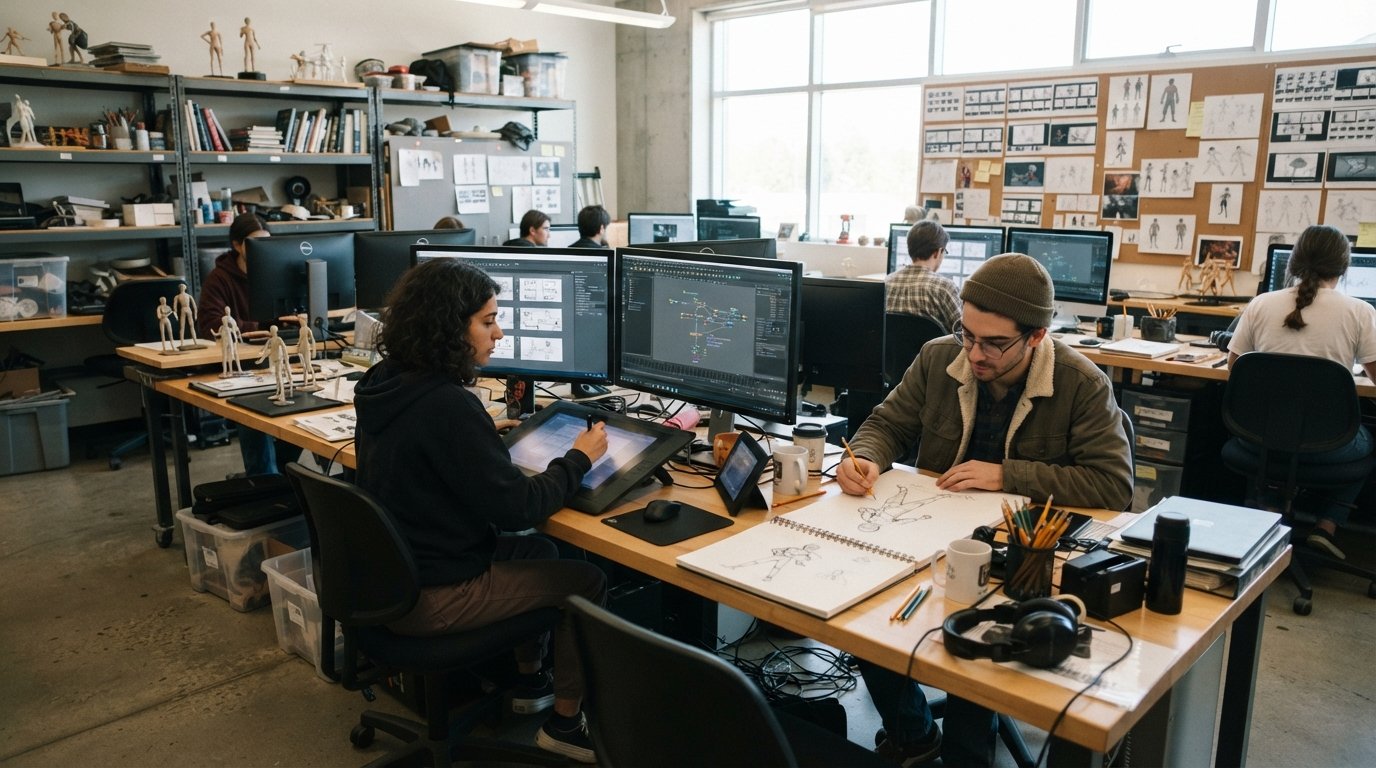
The curriculum is structured to progressively build technical skill and creative vision. Early terms focus on drawing, design fundamentals, and storytelling. Mid-program coursework introduces 3D modeling, rigging, compositing, and digital cinematography. In the final year, students complete a thesis project and a professional portfolio, often collaborating with peers from other disciplines such as film or illustration. Because the program is in-person, students benefit from daily access to labs, equipment, and faculty mentorship, a key differentiator from online alternatives.
For students also considering broader technology pathways, our guide on the best IT degrees and schools for technology careers provides useful context on how technical skills translate across creative and IT fields.
Admissions and Portfolio Requirements
Admission to Art Center is competitive and portfolio-driven. While academic transcripts and essays are reviewed, the portfolio is the centerpiece of the application. Prospective students should demonstrate drawing ability, creativity, and a willingness to experiment. The college offers portfolio preparation resources and pre-college programs to help applicants strengthen their submissions.
A strong application typically includes:
- A portfolio of 15 to 20 pieces showing observational drawing, personal work, and experimentation with media.
- Academic transcripts demonstrating readiness for college-level work.
- A statement of intent that articulates career goals and interest in the major.
- Letters of recommendation from teachers or mentors who can speak to creative potential.
- English proficiency test scores for international applicants.
Because the program is in-person and cohort-based, applicants should also demonstrate the discipline and collaboration skills needed for a studio environment. Interviews and portfolio reviews may be part of the process, giving candidates a chance to discuss their work directly with faculty.
Tuition, Fees, and Cost of Attendance
Art Center is a private institution, and tuition reflects that status. For the 2025-2026 academic year, undergraduate tuition is approximately $52,000 per year, with additional fees for materials, lab access, and technology. Total cost of attendance, including housing, food, transportation, and supplies, can exceed $70,000 annually. Over four years, families should plan for a significant investment.
However, the college offers financial aid in the form of scholarships, grants, loans, and work-study. Merit scholarships are available based on portfolio strength, and need-based aid can help bridge the gap. Students should file the FAFSA and explore external scholarships early. Resources like Scholarship.Education provide searchable databases and guidance for finding awards that can offset costs. Additionally, Art Center's financial aid office can help families understand payment plans and loan options.
For families comparing costs, it is important to weigh tuition against potential earnings and career outcomes. Graduates of top animation programs often command starting salaries that justify the investment, but outcomes vary by specialization and location.
Career Outcomes and Industry Connections
Art Center's location near Los Angeles and its strong alumni network give students a distinct advantage. The college maintains relationships with major studios, production companies, and design firms, and students often secure internships that lead to full-time roles. Graduates work in animation, visual effects, game design, advertising, and interactive media.
Common job titles for graduates include:
- Character animator
- Visual effects artist
- Motion graphics designer
- 3D modeler or rigger
- Interactive media developer
Because the program is in-person, students build professional networks through critiques, guest lectures, and industry events. The portfolio developed over four years serves as a tangible demonstration of skills, which is often more important to employers than the degree itself. Still, the structured curriculum and mentorship accelerate skill development in ways that self-teaching may not.
Is This Program Right for You?
Choosing a four-year, in-person Bachelor's degree in animation is a significant commitment of time and money. It is best suited for students who thrive in collaborative, studio-based environments and who are ready to immerse themselves in creative work. Those who need flexibility may consider online alternatives, but the hands-on nature of animation and visual effects often benefits from in-person instruction and access to specialized equipment.
Prospective students should visit campus, attend portfolio days, and speak with current students and alumni. Understanding the daily rhythm of the program, the cost, and the career support available will help families make a confident decision. With careful planning and a clear focus on financial aid, the Animation, Interactive Technology, Video Graphics, and Special Effects Bachelor's degree, usually 4 years In-person at Art Center College of Design, can be a transformative step toward a creative career.