
Environmental Science Bachelor's Degree at Concordia University-Wisconsin
Concordia University-Wisconsin's Environmental Science Bachelor's degree is a 4-year in-person program with strong field experience and faculty mentoring.

By Logan Parker
Choosing an environmental science program means balancing your passion for the planet with practical questions about cost, format, and career outcomes. At Concordia University-Wisconsin, the Environmental Science Bachelor's degree is typically a 4-year, in-person program that blends rigorous science with field experience and a values-driven campus culture. For students and families who want a residential college experience with strong faculty mentoring, this program offers a clear path into careers in conservation, environmental consulting, and graduate study. But before you commit, it helps to understand exactly what the degree involves, what it costs, and how it compares with alternatives such as online science degrees. This guide breaks down the details so you can make a confident, informed decision.
What the Environmental Science Bachelor's Degree at Concordia University-Wisconsin Covers
The Environmental Science Bachelor's degree, usually 4 years In-person at Concordia University-Wisconsin, is built around a core of biology, chemistry, geology, and ecology, with electives that let you specialize in areas like water resources, wildlife management, or environmental policy. Coursework is delivered on campus in Mequon, Wisconsin, where small class sizes and accessible faculty create a supportive learning environment. Because the program is in-person, you get regular lab access, field trips to nearby ecosystems, and the kind of hands-on training that employers and graduate schools value.
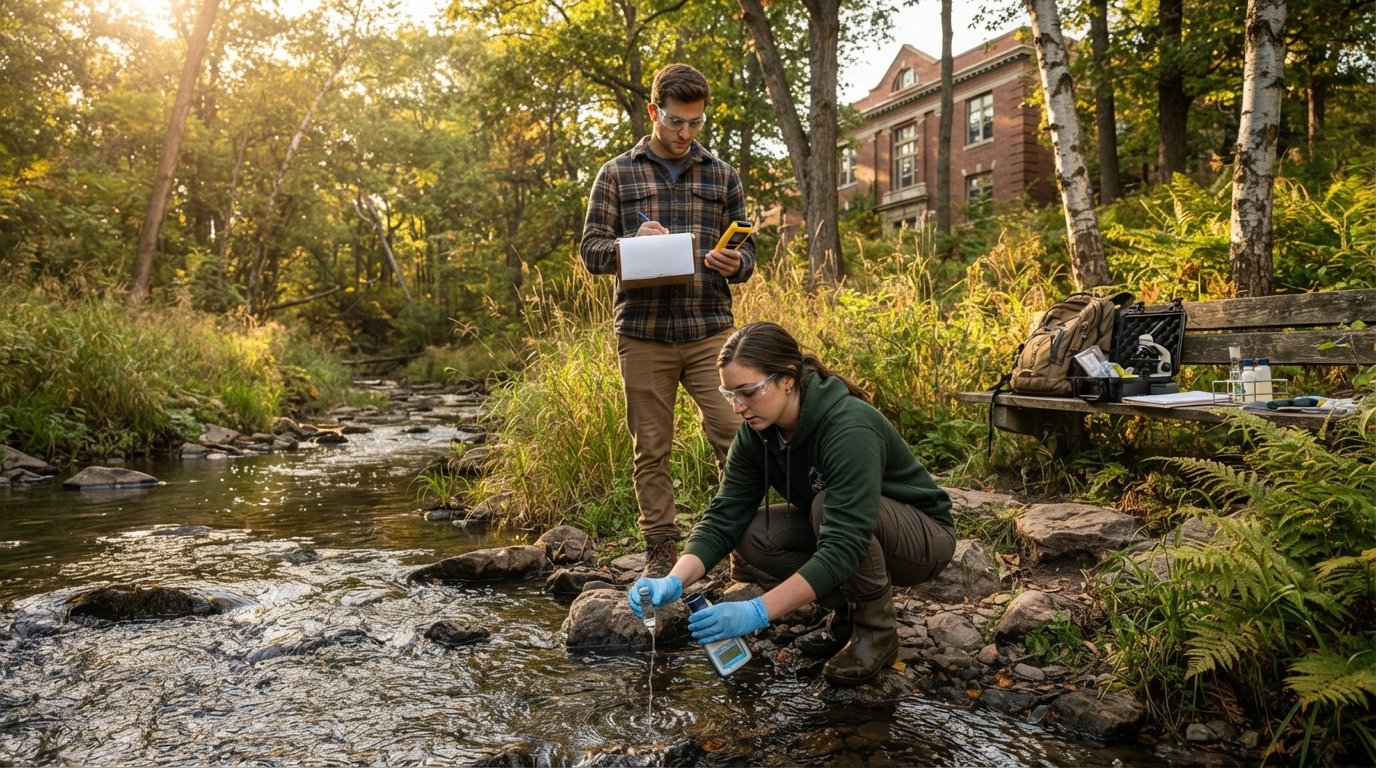
The curriculum typically progresses from foundational science courses in your first two years to upper-level seminars, research methods, and a capstone or internship in your final year. You will spend significant time outdoors, collecting samples, mapping habitats, and analyzing data, which builds the practical skills that define environmental science work. Concordia's Lutheran heritage also shapes the program's emphasis on stewardship and ethical responsibility, themes that resonate with students who want their careers to reflect their values.
Compared with online alternatives, the in-person format offers immediate feedback, study groups, and mentorship that can be harder to replicate remotely. That said, online options exist for students who need flexibility, and our guide to online bachelor's degrees cost and options explains how those programs compare. For many traditional-age students, however, the residential experience at Concordia provides structure and community that support persistence and graduation.
Admission Requirements and How to Prepare
Admission to Concordia University-Wisconsin is moderately selective, and the environmental science program looks for students with a solid background in high school science and math. A typical applicant will have completed biology, chemistry, and algebra or pre-calculus, along with a respectable GPA and standardized test scores (though test-optional policies may apply). The admissions team also weighs essays, letters of recommendation, and demonstrated interest in environmental issues.
To strengthen your application, consider these steps:
- Take as many lab science courses as your high school offers, including AP Environmental Science or Biology if available.
- Participate in extracurricular activities such as Envirothon, science fairs, or community conservation projects.
- Request recommendations from science teachers who can speak to your curiosity and work ethic.
- Visit campus and meet with faculty in the environmental science department to show genuine interest.
These steps not only improve your chances of admission but also confirm whether the in-person, residential format matches your learning style and career goals. If you are transferring from another college, Concordia evaluates transcripts course by course to determine which credits apply toward the major.
Costs, Financial Aid, and Value
As a private institution, Concordia University-Wisconsin has a higher sticker price than public universities, but the net cost after financial aid can be competitive. Tuition for the 2025-2026 academic year is roughly $34,000, with room and board adding about $12,000. However, the university awards merit scholarships, need-based grants, and athletic or departmental awards that can significantly reduce out-of-pocket expenses. Wisconsin residents may also qualify for state grant programs, and the FAFSA opens access to federal Pell Grants and subsidized loans.
When evaluating value, look beyond tuition to outcomes: graduation rates, job placement, and average starting salaries for environmental science graduates. Concordia's in-person program benefits from strong alumni networks and internship partnerships with agencies like the Wisconsin Department of Natural Resources and local environmental nonprofits. These experiences often translate into job offers before graduation.
Financial aid planning is critical. Complete the FAFSA as early as possible, apply for outside scholarships, and ask the financial aid office about payment plans. For a broader look at financing options, explore resources that connect students with accredited college degree programs and financial aid tools. Understanding the full picture helps you avoid surprise bills and make a decision that fits your budget.
Careers and Graduate Outcomes
Graduates with an Environmental Science Bachelor's degree from Concordia pursue roles such as environmental scientist, conservation officer, sustainability coordinator, and environmental consultant. The Bureau of Labor Statistics projects steady demand for environmental scientists, with median salaries around $78,000 and stronger growth in consulting and government agencies. Many graduates also continue to master's or doctoral programs in ecology, environmental policy, or hydrology.
The in-person format gives you access to career services, job fairs, and faculty referrals that can jump-start your search. Internships are a key pipeline: students often complete placements with state parks, watershed districts, or environmental engineering firms. These experiences build your resume and provide professional references.
If you are considering a science career but need a flexible schedule, online options may be worth exploring, though they may lack the lab and field components central to environmental science. Concordia's program is designed for students who can commit to full-time, on-campus study and want the immersion that comes with it.
Comparing In-Person and Online Environmental Science Degrees
The Environmental Science Bachelor's degree, usually 4 years In-person at Concordia University-Wisconsin, is not the only route. Online environmental science degrees exist, but they often require you to arrange your own lab and field experiences, which can be challenging. In-person programs provide structured access to equipment, faculty supervision, and peer collaboration. They also foster the soft skills (communication, teamwork, problem-solving) that employers value.
Cost is another differentiator. Online programs may offer lower tuition and savings on room and board, but they may also lack the financial aid and scholarship opportunities available at private residential colleges. For students who thrive in a campus community and want a traditional college experience, Concordia's program is a strong fit. For working adults or those with family obligations, online may be the only feasible option.
To decide, consider your learning style, financial situation, and career goals. Visit campus, talk to current students, and compare total costs after aid. The right choice depends on your personal priorities.
Why Choose Concordia University-Wisconsin
Concordia stands out for its small class sizes, dedicated faculty, and emphasis on experiential learning. The campus is located near Lake Michigan and a variety of natural areas, providing living laboratories for environmental study. The university's mission integrates faith and learning, which appeals to students seeking a values-based education.
Beyond the classroom, students can join environmental clubs, participate in sustainability initiatives, and study abroad in programs focused on conservation. These opportunities enrich the degree and build a network of peers and mentors. The in-person format also means easier access to advising, tutoring, and career counseling, which can improve retention and graduation rates.
If you are looking for a program that combines scientific rigor with personal attention, Concordia's Environmental Science Bachelor's degree is worth serious consideration. The 4-year, in-person structure provides a clear timeline and a supportive path to graduation.
Steps to Apply and Enroll
Applying to Concordia is straightforward. Here is a typical timeline:
- Complete the online application and submit your high school transcript.
- Send SAT or ACT scores if you choose to include them (test-optional policy may apply).
- Submit one or two letters of recommendation and a personal essay.
- Apply for financial aid by filing the FAFSA and any institutional aid forms.
- Attend an admitted student event or schedule a campus visit to confirm your fit.
After acceptance, you will work with an advisor to register for classes and plan your four-year sequence. Early application is encouraged, as some scholarships have priority deadlines.
Choosing the right environmental science program is a big decision, and the Environmental Science Bachelor's degree, usually 4 years In-person at Concordia University-Wisconsin, offers a distinctive blend of rigorous science, field experience, and community. By understanding the curriculum, costs, and outcomes, you can determine whether this residential program aligns with your goals and budget. Take the next step by visiting campus, connecting with faculty, and exploring financial aid options to make your college decision with confidence.