
Environmental Studies Certificate in Under 12 Weeks at Covestone
The Environmental Studies Certificate, less than 12 weeks In-person at Covestone delivers hands-on training fast, helping you build job-ready skills in one term.

What if you could add a credential in environmental studies to your resume before the end of the quarter? The Environmental Studies Certificate, less than 12 weeks In-person at Covestone is built for exactly that timeline. It is an intensive, face-to-face program for students and working adults who want structured environmental training without committing to a full degree, and it fits into the broader push toward short, career-focused credentials that employers increasingly recognize.
For readers of College & Tuition, the appeal is easy to see: a compressed schedule, a defined skill set, and a clear path into environmental roles or further study. This guide covers what the certificate includes, who it suits, how to plan for the cost, and how to decide whether a short in-person program is the right move for your goals.
What the Environmental Studies Certificate at Covestone Covers
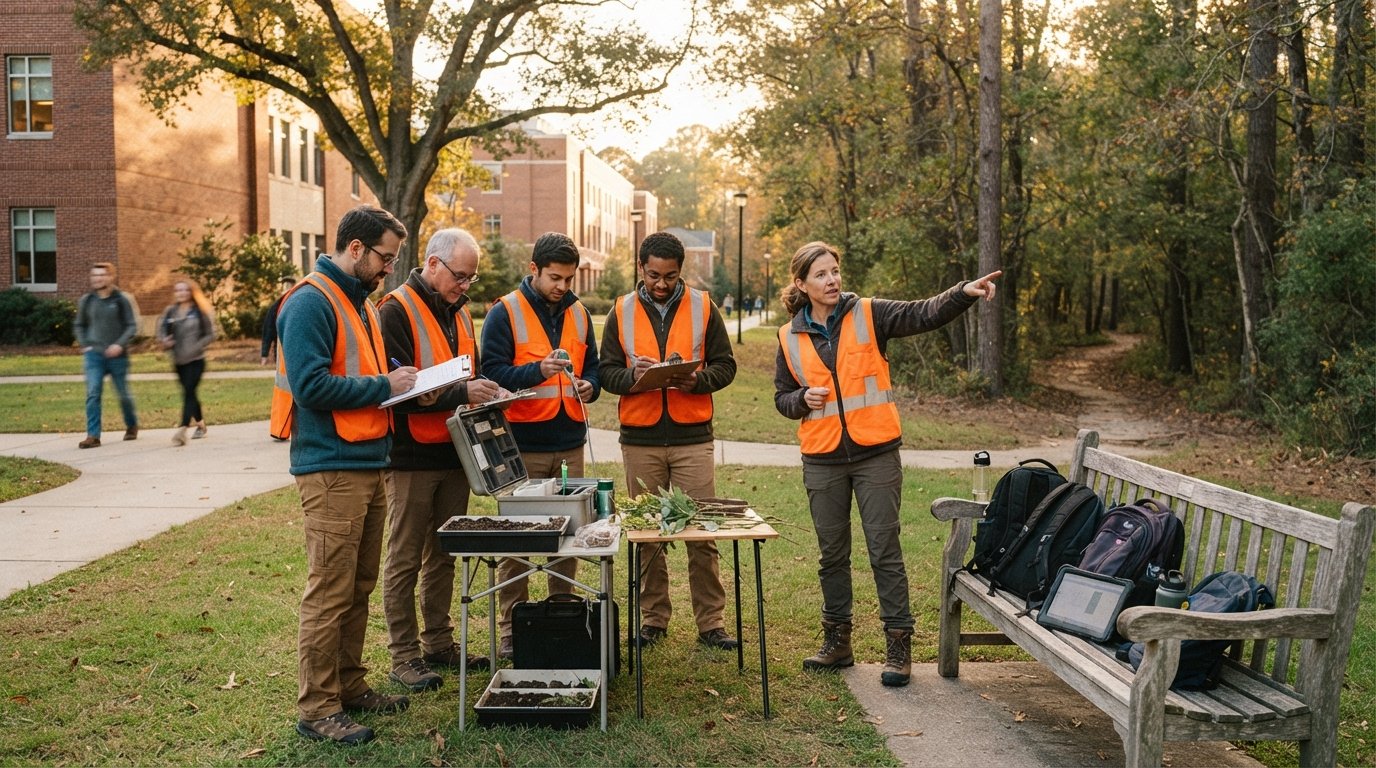
Covestone's certificate is an in-person program delivered in under 12 weeks, which means roughly one academic quarter or a focused summer term. The format matters. Students attend scheduled sessions on campus, work through labs or field exercises with instructors, and complete assignments between meetings. That structure creates accountability and hands-on practice that self-paced online modules often cannot match.
The curriculum typically blends foundational environmental science with applied topics. Students should expect to study ecosystems and biodiversity, environmental policy and regulation, sustainability practices, and basic data and field methods. Depending on the cohort, coursework may include local site visits, sampling exercises, or group projects that mirror real environmental work. Because the program is short, every week carries weight; missing sessions can set a student back quickly.
Admission requirements vary, but short certificates generally ask for a high school diploma or equivalent, proof of English proficiency for international applicants, and sometimes a brief statement of interest. Prospective students should confirm prerequisites, cohort start dates, and whether the certificate stacks toward a degree at Covestone or transfers elsewhere. That last point deserves attention: a certificate is a credential, not a degree, and its value depends on how you use it.
Why a Short, In-Person Format Can Pay Off
Accelerated credentials have moved from the margins to the mainstream of higher education planning. Students want proof of skills fast, and employers in environmental fields value demonstrated competence. A program completed in under 12 weeks delivers several practical advantages at once.
- Speed to credential: You finish in one term, so you can apply for jobs or promotions sooner.
- Structured learning: Fixed schedules and in-person instruction reduce procrastination and build habits.
- Hands-on experience: Labs, field visits, and group work produce tangible examples for interviews.
- Lower total cost than a degree: Tuition for a certificate is far below a full program, though it is not free.
The in-person element is a genuine differentiator. Environmental work is often collaborative and site-based, and learning alongside classmates and instructors builds professional communication skills and a local network. For students who struggle with fully online formats, the face-to-face structure can be the reason they finish at all.
That said, short programs demand realistic planning. If you work full time or care for family members, confirm the weekly time commitment before enrolling. Ask about session hours, commute, and whether any components can be completed remotely. The best program is the one you can actually attend consistently.
Cost, Financial Aid, and Planning Your Budget
Cost is the question most prospective students ask first, and it deserves a direct answer: certificate tuition varies widely by institution, residency status, and program length, so request the current fee schedule from Covestone directly. Budget beyond tuition as well. In-person programs add commuting or housing costs, materials, field trip fees, and the income you forgo if you reduce work hours to attend.
Financial aid for short certificates is more limited than for degree programs, but options exist. Students should ask about institutional scholarships, employer tuition assistance, workforce development grants, and whether the certificate qualifies for federal aid at that institution. Many employers in environmental consulting, utilities, and local government offer education benefits; a short certificate is often easier to get approved than a multi-year degree.
Students weighing a certificate against a full degree should compare total costs honestly. A certificate is cheaper and faster, but a degree opens more advanced roles and typically carries stronger long-term earnings. One sensible path is to start with the certificate, test your interest in the field, and then apply those credits toward a degree if the institution allows it. If you are comparing short programs more broadly, our guide to CCV's fast Media Studies certificate shows how another accelerated program structures blended learning and cost planning.
Career Outcomes and How to Use the Credential
What can you do with an environmental studies certificate? The credential signals foundational knowledge and applied skills, which makes it useful for entry-level roles and for supplementing an existing job. Common destinations include environmental technician positions, sustainability coordinator support roles, compliance assistance, conservation and parks work, and outreach or education roles at nonprofits and agencies.
The certificate also serves students who plan to continue studying. It can strengthen an application to a two-year or four-year environmental program and provide a head start on core coursework. Career changers often use short credentials to demonstrate commitment before investing in a longer degree.
To get the most from the program, treat it as a bridge, not a finish line. Build relationships with instructors, complete a portfolio-worthy project, and ask about internships or volunteer placements in the local area. Career research helps too: resources such as Careers.org explain typical duties, work settings, and training paths for environmental occupations, which makes it easier to target the right jobs after graduation.
Who Should Enroll, and How to Decide
The ideal candidate is someone who wants environmental skills quickly and can commit to an in-person schedule for a single term. High school graduates exploring the field, community college students adding a credential, working adults in related industries, and career changers all fit the profile. Students who need maximum flexibility or cannot attend campus sessions should look at online alternatives instead.
A simple decision framework helps:
- Confirm your goal: a job, a promotion, or preparation for a degree.
- Check the schedule against your work and family commitments.
- Request the full cost, including fees and materials.
- Ask how credits transfer and whether the certificate stacks toward a degree.
- Verify outcomes: ask the program for graduate placement or continuation data.
If the answers line up with your goal and your calendar, the short format becomes an advantage rather than a risk. If not, wait for a cohort that fits or choose a different pathway.
Making the Most of Under 12 Weeks
Twelve weeks passes quickly. Students who succeed plan backward from the start date: arrange transportation, block study hours, and speak with employers about scheduling. During the program, attend every session, ask questions early, and keep organized notes and project files that can become portfolio material.
Finally, verify accreditation and program details before you pay. Confirm the institution's accreditation status, ask for the current syllabus, and read the refund and withdrawal policies. A short certificate is a real investment of time and money, and a few hours of research protects both. With clear goals and honest budgeting, the Environmental Studies Certificate, less than 12 weeks In-person at Covestone can be a practical, affordable step toward an environmental career.