
Exercise Science & Kinesiology Masters at Sacramento State
Discover how Sacramento State's in-person MS in Kinesiology goes beyond a bachelor's degree, offering hands-on labs, research, and career growth.

By Sarah Thompson
For students and professionals who have completed an undergraduate degree in exercise science or kinesiology, the next logical step is often a graduate program that deepens clinical skills, expands research knowledge, and opens doors to advanced certification and leadership roles. California State University, Sacramento (Sacramento State) offers an in-person Master of Science in Kinesiology with an emphasis in Exercise Science, a program designed for those who want to move beyond the bachelor's level and work directly with clinical populations, athletic teams, or community health initiatives. Unlike fully online programs, this on-campus option provides hands-on laboratory time, direct faculty mentorship, and access to human performance testing equipment that is hard to replicate in a virtual setting.
Choosing to pursue advanced study in exercise science and kinesiology beyond a bachelor's degree in-person at California State University, Sacramento is a strategic investment in your professional future. The program is structured to bridge theoretical knowledge with practical application, ensuring that graduates are not only proficient in assessing human movement but also skilled in designing evidence-based interventions. Whether you aspire to become a clinical exercise physiologist, a strength and conditioning specialist, or a researcher in biomechanics, the immersive nature of this degree prepares you for the complexities of real-world practice. This article explores the program's unique features, admission requirements, curriculum, career outcomes, and financial considerations, helping you decide if this path aligns with your goals.
What Sets Sacramento State's Kinesiology Graduate Program Apart
Sacramento State's Master of Science in Kinesiology, with its Exercise Science emphasis, is a full-time, in-person program that requires approximately two years of study, culminating in a thesis or comprehensive exam. The program is housed within the Department of Kinesiology, which boasts state-of-the-art laboratories for biomechanics, exercise physiology, and motor control. As a graduate student, you will have the opportunity to work alongside faculty who are active researchers in areas such as cardiac rehabilitation, athletic performance, and metabolic disease prevention. The small cohort model fosters close collaboration and personalized feedback, which is essential for developing advanced analytical and clinical reasoning skills.
One of the most compelling reasons to pursue this degree beyond a bachelor's level is the requirement to engage in original research. Under the guidance of a faculty advisor, you will design, implement, and present a thesis project, a process that hones your ability to interpret scientific literature and apply findings to practical settings. For those who prefer a broader professional focus, the comprehensive exam option allows for a deeper synthesis of coursework without the extended research commitment. Both tracks ensure that you graduate with a sophisticated understanding of exercise science, ready to assume roles that demand evidence-based decision-making and ethical practice.
Curriculum and Specialized Learning Opportunities
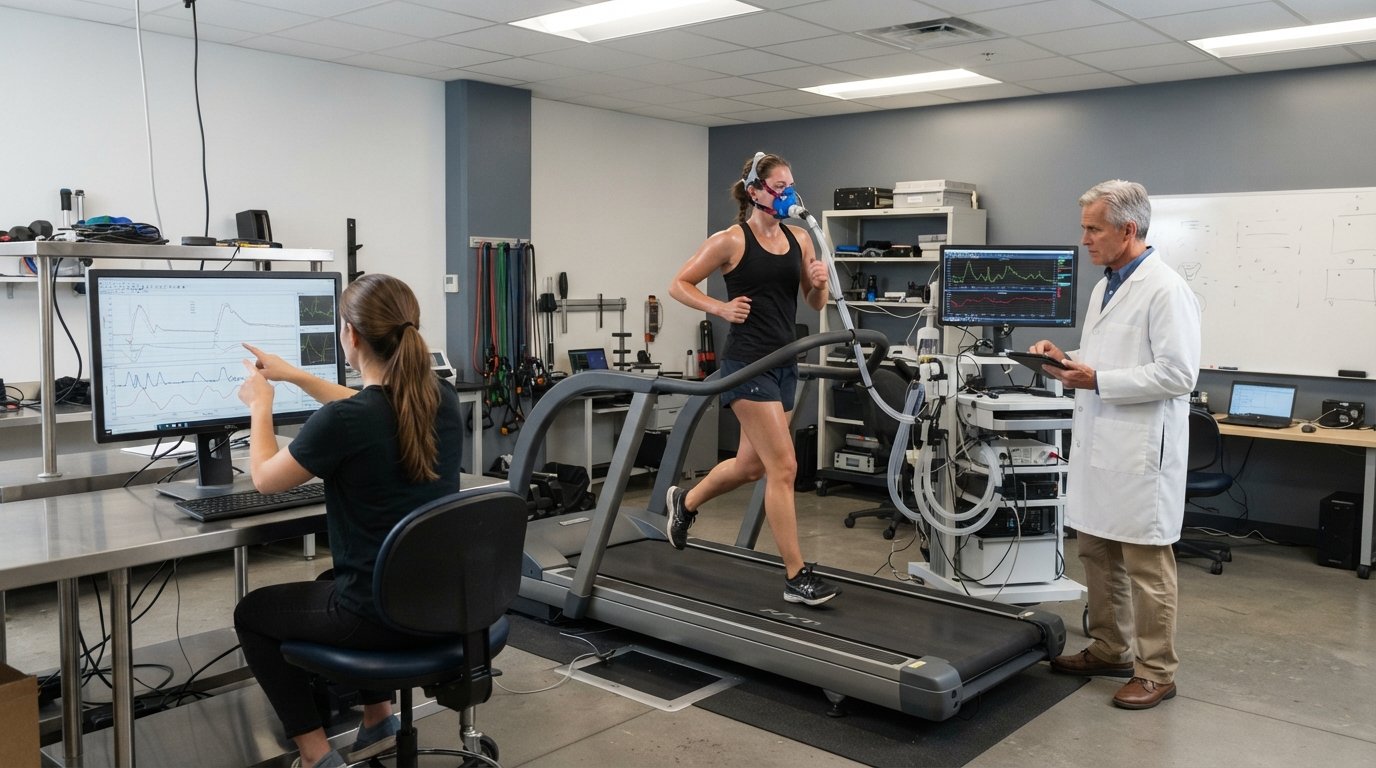
The curriculum is carefully sequenced to build upon undergraduate foundations. Core courses typically include Advanced Exercise Physiology, Biomechanics of Human Movement, Research Methods in Kinesiology, and Statistical Analysis. Electives may cover topics like Electrocardiography and Clinical Exercise Testing, Resistance Training Programming, and Physical Activity and Health Disparities. A unique feature of the program is the practical laboratory component, where you will gain proficiency in using metabolic carts, force plates, motion capture systems, and electromyography equipment. These technical skills are highly sought after by employers in hospital-based wellness centers, sports performance clinics, and corporate fitness settings.
Beyond the classroom, Sacramento State's location in the state capital offers unique networking prospects. Students often complete internships at nearby facilities such as the UC Davis Medical Center, Sutter Health, and various professional sports organizations. These partnerships provide real-world exposure and can be a springboard for post-graduation employment. The program also encourages attendance at regional and national conferences, where you can present your research and connect with leaders in the field. This blend of rigorous academics and practical engagement ensures that you are not just learning theory, but actually applying it in meaningful ways.
Admission Requirements and Prerequisites
Gaining admission to the program is competitive, and applicants are expected to have a solid foundation in the natural sciences. A bachelor's degree in kinesiology, exercise science, or a related field is typically required, though exceptional candidates from other majors may be considered if they have completed prerequisite coursework. Prerequisite classes usually include human anatomy, human physiology, exercise physiology, biomechanics, and statistics. You will need to submit official transcripts, letters of recommendation, a statement of purpose, and a current resume or CV. Some applicants may also be required to complete an interview with the graduate admissions committee.
It is important to note that in addition to the university's general graduate admission requirements, the Department of Kinesiology often requires a minimum undergraduate GPA of 3.0 in the last 60 semester units. International students or those who did not earn a degree in an English-speaking country must demonstrate English proficiency through TOEFL or IELTS scores. Since the program is in-person, you must be prepared to attend classes on the Sacramento campus, which means arranging housing and transportation. The application cycle typically opens in October for the following fall semester, with a priority deadline of February 1st. It is advisable to begin preparing your materials well in advance, as spaces are limited and the review process is holistic.
Financial Aid, Tuition, and Funding Opportunities
Pursuing a master's degree is a significant financial commitment, and it is crucial to understand the costs and available resources. For California residents, graduate tuition at Sacramento State is affordable compared to private institutions, but it is still a substantial expense. Non-resident students will pay additional fees, but many become eligible for in-state tuition after one year of residency. To offset costs, the university offers a variety of funding options, including graduate teaching assistantships, research assistantships, and scholarships through the College of Health and Human Services. These positions often provide a stipend and tuition waiver in exchange for teaching or research support, which can significantly reduce your financial burden.
You are also encouraged to explore external scholarships and federal financial aid by completing the Free Application for Federal Student Aid (FAFSA). Many students work part-time in local fitness centers or clinics while completing their degree, though it is important to balance work demands with the rigorous academic schedule. For a broader perspective on managing graduate school expenses, our strategic guide to college e-degree programs offers valuable budgeting tips that apply to both online and in-person study. Additionally, a valuable resource for researching accredited programs and financial aid options is DegreesOnline.Education, which provides comprehensive information on graduate degrees and funding sources.
Career Trajectories and Professional Impact
Graduates of the Exercise Science and Kinesiology program at Sacramento State are well-positioned for a variety of rewarding careers. Many alumni work as clinical exercise physiologists in cardiac rehabilitation centers, where they design safe exercise programs for patients recovering from heart attacks or bypass surgery. Others find roles as strength and conditioning coaches for college or professional sports teams, using their knowledge of biomechanics and periodization to enhance athletic performance. The research and analytical skills you gain also make you a strong candidate for positions in workplace wellness, corporate health consulting, or public health agencies focused on chronic disease prevention.
For those who wish to continue their academic journey, the master's degree serves as a solid foundation for doctoral studies in kinesiology or related fields. The thesis option, in particular, demonstrates your capability to conduct independent research, which is a key requirement for PhD programs. Moreover, the in-person nature of the program allows you to build lasting relationships with faculty who can provide strong letters of recommendation and professional networking opportunities. In a competitive job market, having an advanced degree from a respected program like Sacramento State's can set you apart and lead to higher earning potential.
Weighing the Value of an In-Person Degree
In an era where online education is increasingly common, you might wonder why an in-person program is worth the extra effort. The answer lies in the hands-on nature of exercise science. Performing a VO2 max test, conducting a gait analysis, or learning to interpret an ECG requires direct interaction with equipment and patients. These skills are best developed in a physical laboratory environment, where you can receive immediate feedback from instructors and practice with your peers. The collaborative atmosphere also mirrors the teamwork you will experience in clinical or athletic settings, helping you build essential communication and problem-solving abilities.
Furthermore, attending classes on campus provides access to university resources such as the library's extensive research databases, career counseling services, and student health facilities. You will also have the chance to attend guest lectures and workshops featuring visiting scholars and practitioners, which can broaden your perspective and inspire new research interests. For many students, the structure and accountability of a fixed class schedule are essential for staying on track and completing the degree in a timely manner. Thus, while online options offer flexibility, the immersive in-person experience at Sacramento State offers unique advantages that directly translate to professional competence and confidence.
In conclusion, pursuing a Master of Science in Kinesiology with an emphasis in Exercise Science at California State University, Sacramento is a decision that can profoundly shape your career. The program's blend of advanced coursework, research, and practical training prepares you for leadership roles in healthcare, fitness, and research. With a strong network of alumni and faculty, access to cutting-edge facilities, and a prime location in the state capital, this in-person degree offers a comprehensive and enriching educational experience. If you are ready to elevate your expertise beyond the bachelor's level, this program is an excellent investment in your future. Take the time to research the application requirements, visit the campus, and speak with current students or faculty to ensure it aligns with your personal and professional goals.