
Forensic Science Certificate at Coastal Bend: 12 Weeks
Coastal Bend College offers a Forensic Science and Technology Certificate in 12 weeks to under 1 year. Hands-on, in-person training for quick career entry.

By Olivia Martin
Careers in forensic science and crime scene investigation are growing, and many students want a fast, affordable way to enter the field without committing to a full degree. Coastal Bend College offers a Forensic Science and Technology Certificate, 12 weeks to less than 1 year In-person at Coastal Bend College, a hands-on program designed to prepare you for entry-level roles in criminal justice, evidence handling, and laboratory support. If you are exploring affordable career training options, this certificate may be the quickest route to a job-ready credential in Texas.
Why Choose a Forensic Science and Technology Certificate
Forensic science technicians and crime scene investigators play a critical role in the justice system. They collect, document, and analyze physical evidence that can determine the outcome of criminal cases. While many forensic scientists hold bachelor's degrees, there is growing demand for technicians who have specialized training but not necessarily a four-year diploma. A certificate program bridges that gap efficiently.
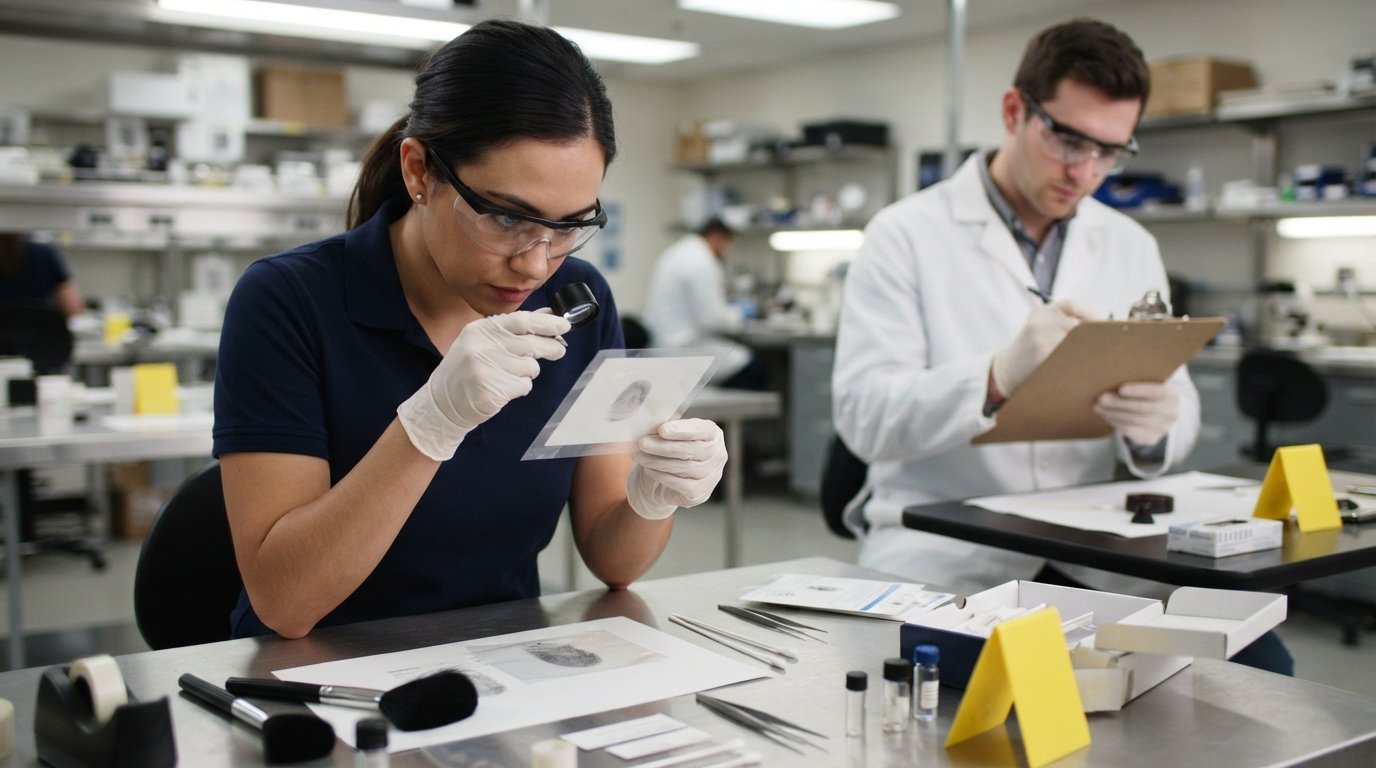
The Forensic Science and Technology Certificate, 12 weeks to less than 1 year In-person at Coastal Bend College, is built for students who want practical skills quickly. You will learn fingerprinting, crime scene documentation, evidence collection, and chain-of-custody procedures. The program is offered in person, which means you get direct access to instructors with field experience and hands-on lab equipment. This face-to-face format is especially valuable in forensic science, where technique and precision matter.
For students worried about cost, certificates are often far more affordable than associate or bachelor's degrees. You pay for fewer credit hours, finish faster, and can start earning sooner. According to data from the Bureau of Labor Statistics, forensic science technician roles are projected to grow, particularly in local and state government agencies. A certificate can make you a competitive applicant for these positions or give you a foundation to continue toward an associate degree later.
Program Format and Duration: 12 Weeks to Less Than 1 Year
One of the most attractive features of this certificate is its flexibility in completion time. Depending on your schedule and course availability, you can finish in as little as 12 weeks or take up to one year. This range accommodates both full-time students who want to enter the workforce quickly and working adults who need to balance school with other responsibilities.
The in-person format at Coastal Bend College means classes meet on campus at scheduled times. This structure provides accountability and immediate feedback from instructors. Forensic science requires hands-on practice with tools like fingerprint powders, casting materials, and evidence packaging. Learning these skills online is difficult, so the in-person requirement is a strength, not a limitation.
Here is a general breakdown of what you can expect in terms of scheduling and commitment:
- 12-week track: Accelerated pace, ideal for full-time students or those between jobs.
- 6-month track: Moderate pace, allows part-time work while enrolled.
- Up to 1-year track: Flexible scheduling for working adults or those with family obligations.
Coastal Bend College may offer multiple start dates throughout the year, so you do not have to wait for a traditional fall semester. This rolling admission model is common for workforce certificates and helps students start when they are ready. You should contact the admissions office directly to confirm current start dates and course sequences.
Admission Requirements and How to Enroll
Admission to the Forensic Science and Technology Certificate program is generally straightforward. Most community colleges require a high school diploma or GED, a completed application, and sometimes a background check because forensic work involves sensitive legal contexts. Coastal Bend College likely follows similar guidelines.
To enroll, you will typically follow these steps:
- Complete the Coastal Bend College admissions application online or on campus.
- Submit official high school transcripts or GED scores.
- Meet with an academic advisor to plan your certificate courses.
- Register for classes and pay tuition or apply for financial aid.
- Attend orientation and begin coursework.
Because this is a certificate program, you may not need to take placement tests for math or English unless the specific courses require them. However, checking with an advisor early can save time. If you are a Texas resident, you may qualify for in-district tuition rates, which are significantly lower than out-of-district or out-of-state rates. Coastal Bend College serves a specific region, so confirming residency status is a smart first step.
Curriculum and Skills You Will Learn
The curriculum for a forensic science and technology certificate typically covers both theoretical foundations and practical applications. You will take courses in criminal justice, forensic photography, fingerprint analysis, and crime scene processing. Some programs also include basic chemistry or biology as they relate to evidence analysis.
Key skills you can expect to develop include:
- Documenting crime scenes with sketches, notes, and photographs.
- Collecting and preserving physical evidence such as hair, fibers, and fingerprints.
- Maintaining chain of custody to ensure evidence is admissible in court.
- Using forensic equipment like alternative light sources and casting kits.
- Writing clear, accurate reports that support investigations.
These skills are directly transferable to jobs with police departments, sheriff's offices, medical examiner offices, and private investigation firms. Some graduates also work in insurance fraud investigation or corporate security. The certificate does not make you a full forensic scientist, but it qualifies you for technician-level roles and gives you a credential that shows you understand the basics.
If you are considering further education, the certificate can often be stacked into an associate degree in criminal justice or forensic science. That pathway allows you to earn while you learn and potentially have your employer pay for additional schooling.
Cost and Financial Aid Options
Cost is a major factor for many students, and certificate programs are generally much cheaper than degree programs. At a Texas community college like Coastal Bend College, tuition for a certificate may range from a few hundred to a few thousand dollars depending on residency and fees. Compared to a bachelor's degree that can cost tens of thousands, this is a low-risk investment.
Financial aid is available for eligible students. You can complete the FAFSA to see if you qualify for Pell Grants, which do not need to be repaid. Texas also offers state grants and work-study programs. Some students qualify for workforce training grants through the Texas Workforce Commission. Additionally, scholarships for criminal justice and forensic science students exist through professional organizations and local agencies.
For students looking for additional scholarship resources, Scholarship.Education provides a searchable database of opportunities for US and international students. It is worth exploring as you plan how to pay for your certificate.
If you are comparing costs across institutions, you might also find our guide on private college rates in St. George Utah helpful for understanding how tuition varies by region and institution type. While that article focuses on private colleges, the principles of comparing costs apply broadly.
Career Outcomes and Job Outlook
Graduates of forensic science certificate programs often find entry-level positions as forensic science technicians, crime scene technicians, evidence clerks, or police assistants. According to the Bureau of Labor Statistics, employment of forensic science technicians is projected to grow faster than average over the next decade. Demand is driven by advances in technology and increased reliance on forensic evidence in criminal cases.
Salaries vary by location and agency. In Texas, forensic science technicians earn a median annual wage of around $45,000 to $55,000, with higher earnings in metropolitan areas like Houston, Dallas, and San Antonio. Entry-level positions may start lower, but the certificate helps you get your foot in the door. With experience and additional certifications, you can advance to crime scene investigator or laboratory analyst roles.
It is important to note that some positions may require a bachelor's degree or police academy training. However, many agencies hire technicians with certificates for support roles, and some will sponsor further education for promising employees. The certificate is a stepping stone, not a ceiling.
Is This Certificate Right for You?
The Forensic Science and Technology Certificate, 12 weeks to less than 1 year In-person at Coastal Bend College, is ideal for students who want quick, affordable entry into the criminal justice field. It suits recent high school graduates, career changers, and working adults who need flexible but hands-on training. If you learn best in a classroom with direct instructor access and prefer practical skills over general education courses, this program is a strong fit.
On the other hand, if you aspire to become a forensic scientist who testifies as an expert witness or works in a crime lab analyzing DNA, you will likely need a bachelor's degree. The certificate is a starting point, not a terminal degree for those advanced roles. But for many students, it is the fastest way to start working in the field and decide if they want to pursue further education.
Before enrolling, visit the Coastal Bend College campus, speak with an advisor, and review the course catalog. Ask about job placement rates, internship opportunities, and whether the certificate transfers to an associate degree. These questions will help you make an informed decision.
Forensic science is a rewarding field for people who are detail-oriented, ethical, and interested in justice. A certificate from Coastal Bend College can get you started in less than a year, often in as little as 12 weeks. If you are ready to take the next step, contact the college admissions office to learn more about start dates, tuition, and how to apply.