
LPN Certificate at ASU-Beebe: 1-Year In-Person Path
The Licensed Practical/Vocational Nurse Training Certificate, 1 year to less than 2 years In-person at Arkansas State University-Beebe offers a fast, hands-on path to licensure.

Practical nursing is one of the fastest routes into a licensed healthcare career, and for students in central Arkansas, Arkansas State University-Beebe offers a focused, hands-on pathway that can be completed in roughly one year. The Licensed Practical/Vocational Nurse Training Certificate, 1 year to less than 2 years In-person at Arkansas State University-Beebe is designed for students who want to enter the workforce quickly, earn a credential that leads to licensure, and build a foundation for future nursing advancement. This article breaks down what the program involves, who it is for, how much it may cost, and how it fits into broader college and financial planning.
What the LPN Certificate Program Covers
The Licensed Practical/Vocational Nurse Training Certificate, 1 year to less than 2 years In-person at Arkansas State University-Beebe is a clock-hour certificate program that prepares students to sit for the NCLEX-PN exam and apply for licensure as a practical nurse. Coursework blends classroom instruction with supervised clinical experience in hospitals, long-term care facilities, and community settings. Students learn foundational nursing skills such as patient assessment, medication administration, wound care, infection control, and communication with patients and families.
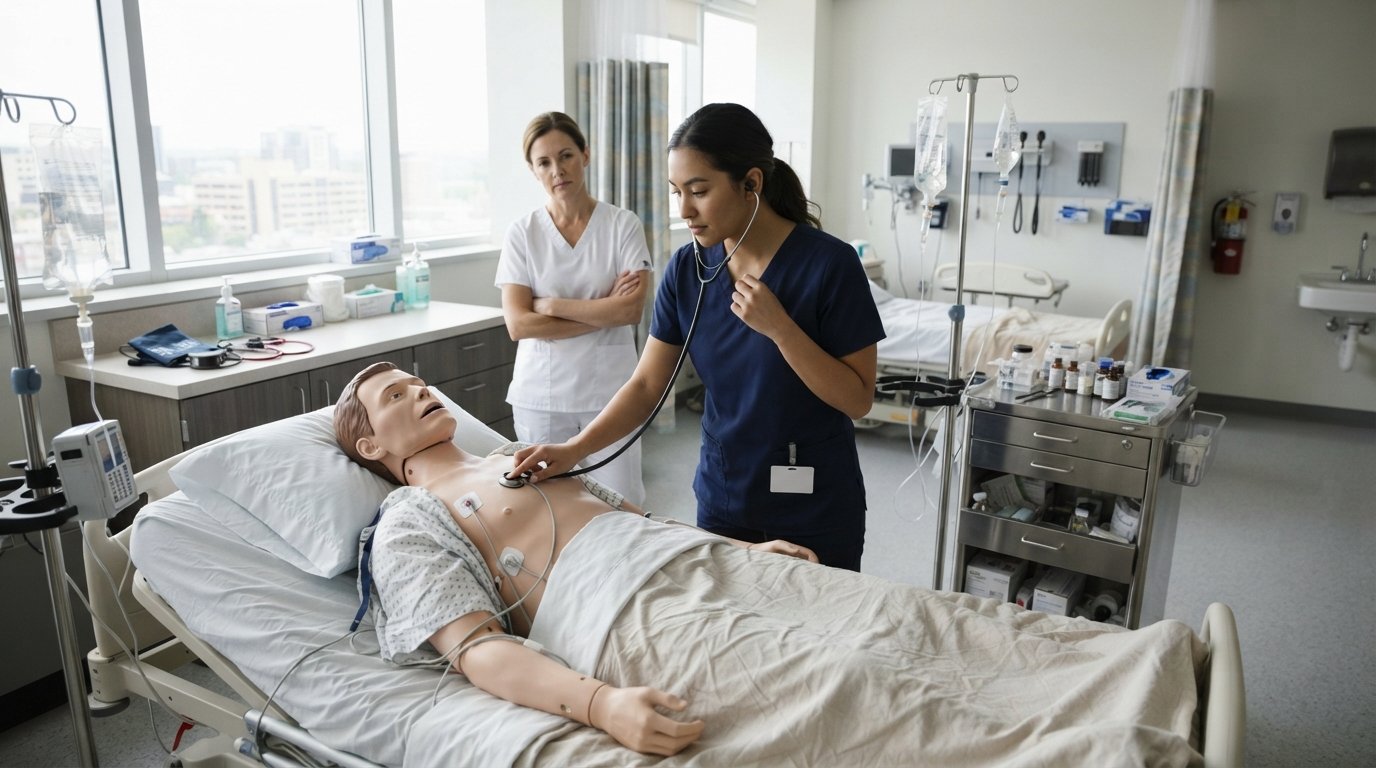
Because the program is delivered in person, students get direct access to instructors, simulation labs, and clinical sites. That hands-on component is especially important in nursing, where competency is demonstrated through practice rather than theory alone. The curriculum typically includes anatomy and physiology, pharmacology, nutrition, nursing fundamentals, maternal and child health concepts, and mental health nursing basics. Students should expect a rigorous schedule that includes daytime classes, lab sessions, and clinical rotations that may occur on weekends or evenings depending on site availability.
Admission to the program is competitive and typically requires a high school diploma or equivalent, completion of prerequisite courses, a background check, immunizations, and CPR certification. Prospective students should verify current admission requirements directly with the program, as they can change from year to year. Because clinical placements are limited, meeting minimum requirements does not guarantee admission, so applying early and maintaining strong grades in prerequisites is wise.
Length, Format, and What In-Person Learning Means
The program is described as 1 year to less than 2 years, which reflects the reality that completion time can vary based on prerequisite completion, course sequencing, and clinical availability. Some students finish in about 12 months of program coursework after prerequisites, while others take longer if they need to complete foundational courses first. The in-person format means students should plan for a full-time commitment during the program, including travel to clinical sites.
In-person training offers distinct advantages for practical nursing students. It provides structured supervision, immediate feedback on clinical skills, and the chance to practice teamwork and communication in real healthcare environments. It also helps students build professional networks with instructors and clinical staff, which can be valuable when job searching after licensure. The trade-off is flexibility: in-person programs require students to be available at scheduled times and locations, so childcare, work schedules, and transportation must be arranged in advance.
Students should also consider the cost of attendance beyond tuition, including uniforms, stethoscopes, background checks, immunizations, transportation to clinical sites, and exam fees. These costs can add up, and planning for them early can reduce financial stress during the program. The following checklist can help prospective students prepare:
- Confirm prerequisite courses and admission deadlines with the program advisor.
- Budget for uniforms, supplies, background checks, and licensure exam fees.
- Arrange transportation and childcare for clinical rotation days.
- Meet with a financial aid advisor to review grants, loans, and scholarship options.
- Verify clinical site requirements, including immunizations and CPR certification.
Preparing these items before the program begins can help students focus on coursework and clinical performance rather than logistics. It also demonstrates professionalism, which instructors and clinical supervisors notice.
Cost, Financial Aid, and Affordability Planning
Cost is a major consideration for any nursing program, and the Licensed Practical/Vocational Nurse Training Certificate, 1 year to less than 2 years In-person at Arkansas State University-Beebe is no exception. Tuition and fees vary by residency status, and students should check the university's current tuition schedule for the most accurate figures. In addition to tuition, students should budget for books, supplies, clinical uniforms, background checks, immunizations, and the NCLEX-PN exam fee. Community college and university certificate programs are often more affordable than private nursing schools, but total costs still require careful planning.
Financial aid options may include federal Pell Grants, state grants, institutional scholarships, and student loans. Students should complete the Free Application for Federal Student Aid (FAFSA) as early as possible, since some aid is awarded on a first-come, first-served basis. Arkansas residents should also explore state-specific workforce development grants and nursing scholarships offered by hospitals and healthcare systems. Some employers offer tuition reimbursement or loan repayment assistance in exchange for a work commitment after graduation, which can significantly reduce out-of-pocket costs.
For students comparing programs, it helps to look beyond sticker price and consider completion rates, licensure exam pass rates, and job placement support. A slightly higher-cost program with strong outcomes may be a better investment than a cheaper program with weak support services. Prospective students can research career paths and salary expectations through resources such as Careers.org, which provides general information on occupations, training requirements, and work settings. Comparing total costs and outcomes side by side is a practical way to make an informed decision about affordability and value.
Career Outcomes and Licensure
Graduates of practical nursing programs are eligible to take the NCLEX-PN exam, which is required for licensure in Arkansas and most other states. Licensed practical nurses (LPNs) work in long-term care facilities, hospitals, clinics, physician offices, home health agencies, and rehabilitation centers. Typical duties include monitoring patient health, administering medications, dressing wounds, collecting samples for testing, and reporting patient status to registered nurses and physicians. The demand for LPNs remains steady, particularly in long-term care and home health settings, as an aging population increases the need for ongoing medical support.
Career advancement opportunities exist for LPNs who want to continue their education. Many LPN-to-RN bridge programs allow licensed practical nurses to earn an associate or bachelor's degree in nursing with advanced standing, reducing the time and cost required to become a registered nurse. Some LPNs pursue specialized certifications in areas such as gerontology, IV therapy, or dialysis. Employers sometimes offer tuition assistance for LPNs who pursue further credentials, making continued education more accessible.
Job seekers should also consider the importance of soft skills, including communication, teamwork, and patience. Practical nursing is a patient-facing role, and employers value reliability and professionalism as much as clinical knowledge. Building a strong resume during the program through clinical evaluations, part-time healthcare jobs, and volunteer experience can improve job prospects after graduation.
How This Program Fits Into Broader College Planning
For students weighing their options, the Licensed Practical/Vocational Nurse Training Certificate, 1 year to less than 2 years In-person at Arkansas State University-Beebe represents a short-term credential with a direct path to employment. It can serve as a standalone career credential or as a stepping stone toward an associate or bachelor's degree in nursing. Students who are unsure whether they want to commit to a multi-year degree program may find that a certificate program offers a lower-risk way to enter healthcare and test their interest in nursing.
When comparing programs, students should evaluate accreditation, licensure exam pass rates, clinical partnerships, and support services such as tutoring and job placement. It is also important to confirm that the program is approved by the Arkansas State Board of Nursing, since approval is required for graduates to sit for the licensure exam. Prospective students should ask program representatives about these details directly and review any published outcome data.
College planning also involves understanding the total cost of attendance and how financial aid fits in. Students should create a budget that includes tuition, fees, living expenses, transportation, and exam costs, then compare that budget against available grants, scholarships, and savings. Loan options should be considered carefully, with attention to interest rates and repayment terms. For students who plan to transfer to a degree program later, it is worth asking whether credits from the certificate program can be applied toward an associate or bachelor's degree, which can reduce the total cost of further education.
Is the LPN Certificate Right for You?
The Licensed Practical/Vocational Nurse Training Certificate, 1 year to less than 2 years In-person at Arkansas State University-Beebe may be a good fit for students who want to enter nursing quickly, prefer hands-on learning, and are prepared for a demanding schedule. It is less suited to students who need fully online or highly flexible coursework, since the in-person format requires regular attendance at classes and clinical sites. Students who are unsure about the time commitment should speak with an advisor and, if possible, shadow a working LPN to understand the day-to-day realities of the role.
Prospective students should also consider their long-term goals. If the goal is to become a registered nurse or advance into nursing leadership, an LPN certificate can be a practical first step, but students should plan for further education. If the goal is to enter the workforce quickly and work in long-term care or home health, the certificate may be sufficient on its own. Either way, careful planning around cost, schedule, and career goals can help students make the most of the program.
For students and families comparing college options, the key is to gather accurate information, compare costs and outcomes, and ask questions. Nursing programs vary in cost, format, and support services, and the best choice depends on individual circumstances. Taking the time to plan financially and academically can make the path to licensure smoother and more affordable.