
Renewable Energy Technician Certification by State
Need renewable energy technician certification requirements by state? Call 8772187081 for guidance on licenses, training, and career paths.

By Daniel Thomas
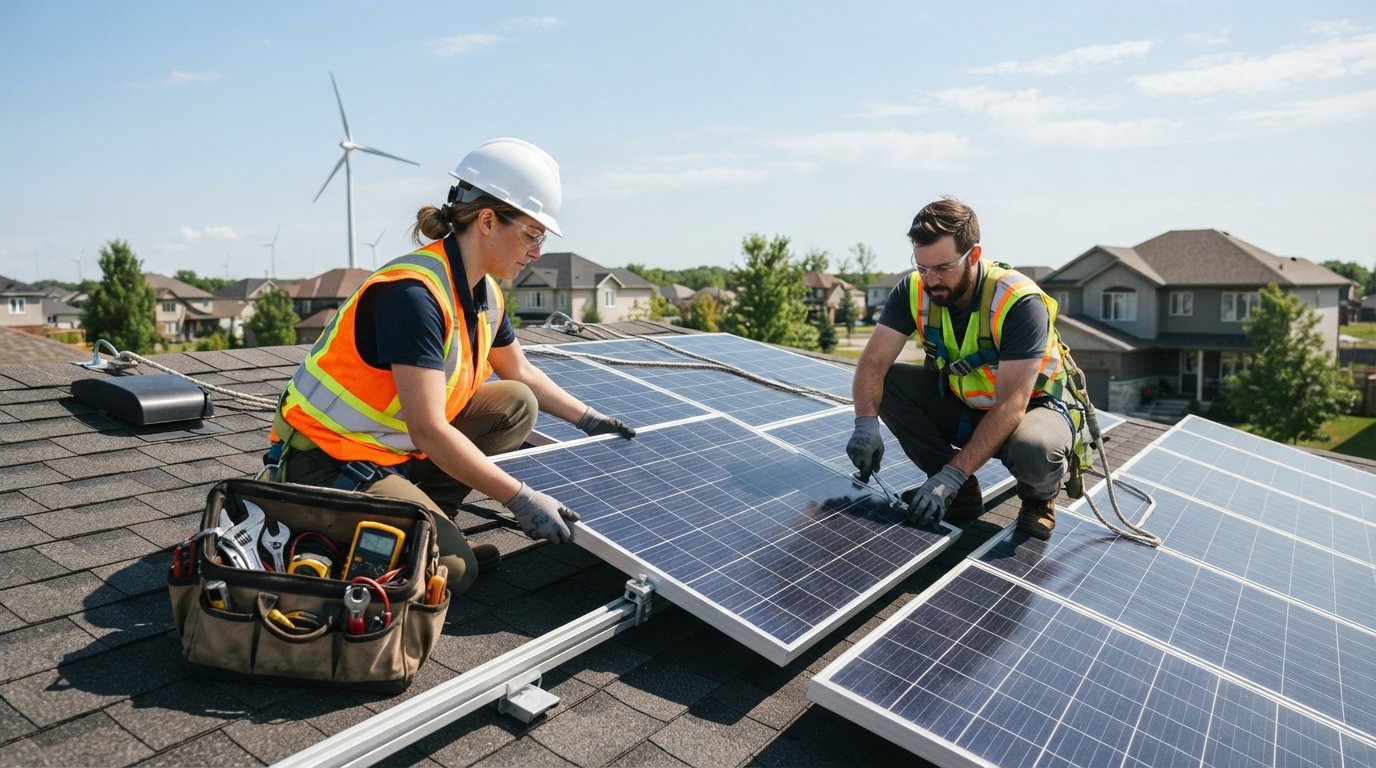
Renewable energy technicians install, maintain, and repair solar panels, wind turbines, and battery storage systems. The field is growing fast, and many workers enter it without a four-year degree. But one question trips up almost every newcomer: do you need a certification, and does it change depending on where you live? The short answer is yes, and yes. Certification requirements for renewable energy technicians vary widely by state, and understanding those differences can save you time, money, and frustration as you plan your career.
This guide breaks down the renewable energy technician certification requirements by state, explains the difference between licenses and certificates, and shows you how to build a credential stack that travels with you. Whether you are a high school graduate, a career changer, or a veteran looking for a skilled trade, knowing the rules in your state is the first step toward a stable, well-paying job.
Why Certification Matters in Renewable Energy
Renewable energy systems are electrical systems. They connect to homes, businesses, and the grid. Because of that, most states regulate who can install and service them. A certification proves you have the training and knowledge to work safely. It also signals to employers that you meet industry standards.
There are two main types of credentials you will encounter. The first is a state license, which is a legal requirement to perform certain work. The second is a voluntary certification, which is offered by trade associations or training providers. Some states require both. Others require only one. A few have no statewide mandate but still expect employers to verify your skills.
Certification also affects your paycheck. Technicians with relevant credentials often earn more and get promoted faster. According to the U.S. Bureau of Labor Statistics, solar photovoltaic installers and wind turbine technicians are among the fastest-growing occupations in the country. Employers compete for workers who can show proof of training, so a certification is a smart investment.
How State Requirements Are Structured
States take different approaches to regulating renewable energy work. Some fold solar and wind into existing electrical contractor licensing. Others create specific solar licenses. A few rely on voluntary certification and local permits. Understanding your state's model helps you choose the right path.
Here are the common models you will see:
- Electrical license model: The state treats solar and wind work as electrical contracting. You need an electrician license or to work under one.
- Solar-specific license model: The state issues a dedicated solar contractor or solar installer license.
- Voluntary certification model: No state license is required, but employers prefer certified technicians.
- Local permit model: Cities or counties require permits and sometimes certify installers at the local level.
No matter which model your state uses, you will likely need a combination of classroom training, hands-on experience, and an exam. Some states also require continuing education to renew your credential. The key is to check your state's licensing board before you enroll in any program.
State-by-State Breakdown of Certification Requirements
The following sections cover representative states in each region. This is not an exhaustive list, but it shows the range of requirements you will encounter. Always verify current rules with your state licensing board, because regulations change.
California
California has some of the most detailed renewable energy rules in the country. The state requires a C-46 Solar Contractor license for any company that installs solar thermal or photovoltaic systems. Individual installers must work under a licensed contractor. The state also recognizes the North American Board of Certified Energy Practitioners (NABCEP) certification as a strong credential for technicians.
To qualify for the C-46 license, you need at least four years of journey-level experience in solar work or a related trade. You must pass a trade exam and a law and business exam. If you are an entry-level technician, you can start by working for a licensed contractor while you build hours toward your own license.
Texas
Texas does not require a statewide solar license. However, solar work that involves electrical connections falls under the Texas Electrical Safety and Licensing Act. In practice, this means you need to be a licensed electrician or work under one for grid-tied systems. Many Texas employers prefer NABCEP-certified technicians, and some cities require permits that include proof of certification.
If you want to work independently in Texas, the most direct path is to become a licensed electrician and then add solar certifications. The state offers an apprentice electrician license, a journeyman license, and a master license. Each level requires documented hours and passing an exam.
New York
New York regulates solar and wind work through a mix of state and local rules. The state requires a Home Improvement Contractor license for residential solar installations. For commercial and utility-scale projects, the work must be performed by licensed electricians. New York also has a Solar Electric Generating Systems tax credit that encourages certified installations.
NABCEP certification is widely recognized in New York. Many utilities and incentive programs require it for rebates. If you are starting out, look for apprenticeship programs through the New York State Energy Research and Development Authority (NYSERDA) or local unions.
Florida
Florida requires a Solar Contractor license for businesses that install solar energy systems. The license is issued by the Florida Department of Business and Professional Regulation. To qualify, you need a combination of experience and education, and you must pass a state exam. Individual technicians typically work under a licensed solar contractor.
Florida also has a strong market for solar water heating and pool heating, which have their own licensing categories. If you are considering a career in Florida, check the specific license type for the work you want to do.
Illinois
Illinois does not have a dedicated solar license. Instead, solar installations are covered by the Illinois Electrical Licensing Act. This means you need to be a licensed electrician or work under one. The state does offer a Solar Energy Installation certificate through some community colleges, but it is not a legal requirement.
Illinois has a growing solar market thanks to the Climate and Equitable Jobs Act. The state funds training programs for solar installers, and many employers look for graduates of those programs. NABCEP certification is a plus but not mandatory.
Massachusetts
Massachusetts requires a Construction Supervisor License for solar installations. The state also requires an Electrical License for any work that connects to the grid. The Massachusetts Clean Energy Center offers training grants and supports apprenticeship programs.
NABCEP certification is highly valued in Massachusetts. Several utility rebate programs require it, and some municipalities include it in their permit requirements. If you want to work in the state's offshore wind sector, additional safety certifications such as GWO (Global Wind Organisation) may be required.
Colorado
Colorado has a mix of state and local rules. The state requires an Electrical Contractor license for solar work that involves wiring. Some cities, such as Denver, have their own licensing requirements for solar installers. The state also recognizes NABCEP certification as a qualifying credential for certain incentive programs.
Colorado is a leader in community solar and has a strong apprenticeship network. If you are starting out, consider the Solar Energy International (SEI) training programs based in the state.
New Jersey
New Jersey requires a Home Improvement Contractor registration for residential solar work. Commercial solar projects require a licensed electrician. The state's Solar Renewable Energy Certificate (SREC) program has driven demand for certified installers.
NABCEP certification is common in New Jersey, and many employers require it. The state also offers a Solar Installer Training program through the New Jersey Department of Labor and Workforce Development.
Nevada
Nevada requires a Solar Energy Systems Contractor license for companies that install solar systems. The license is issued by the Nevada State Contractors Board. Individual technicians must work under a licensed contractor. The state also has a robust apprenticeship program through the Nevada Solar Energy Association.
Nevada's solar market is growing, and NABCEP certification is often listed as a preferred qualification. If you want to work in utility-scale solar, you may need additional certifications such as OSHA 10 or 30.
Arizona
Arizona requires a Solar Contractor license for businesses that install solar systems. The license is issued by the Arizona Registrar of Contractors. Technicians must work under a licensed contractor. The state also recognizes NABCEP certification for incentive programs.
Arizona has a large solar market and a strong need for skilled technicians. Many employers offer on-the-job training and help employees earn certifications.
North Carolina
North Carolina does not have a statewide solar license. Solar work is regulated under the state's electrical contractor laws. You must be a licensed electrician or work under one for grid-tied systems. The state offers a Solar Installer Certificate through some community colleges.
North Carolina has a growing solar industry, and NABCEP certification is a plus. The state also has a Solar Energy Tax Credit that requires certified installation.
Washington
Washington requires an Electrical Contractor license for solar work. The state also has a Renewable Energy System Incentive Program that requires certified installation. NABCEP certification is recognized and often required for incentive eligibility.
Washington has a strong apprenticeship program through the Washington State Department of Labor and Industries. If you are interested in wind energy, the state also has wind technician training programs.
Voluntary Certifications That Boost Your Career
Even in states with no license requirement, voluntary certifications can set you apart. The most recognized is the NABCEP certification. It covers solar photovoltaic, solar thermal, and small wind. NABCEP offers several levels, including Associate, PV Installation Professional, and PV Design Specialist.
Other valuable certifications include:
- OSHA 10 or 30: Required by many employers for construction and industrial work.
- GWO Basic Safety Training: Essential for wind turbine technicians.
- Manufacturer certifications: Offered by companies like Tesla, Enphase, and SolarEdge.
- Electrical licenses: Apprentice, journeyman, and master levels.
These credentials show employers you are serious about safety and quality. They also help you qualify for higher-paying roles and leadership positions.
If you are exploring degree paths that complement these certifications, our guide on top degrees for renewable energy careers covers associate and bachelor's programs that can accelerate your entry into the field.
How to Meet Requirements in Your State
The process for getting certified varies by state, but the general steps are similar. Here is a framework you can follow:
- Check your state licensing board. Find out if a license is required for the work you want to do. Look for the board that regulates electrical contractors or solar installers.
- Complete a training program. Many community colleges and trade schools offer solar and wind technician programs. Look for programs that include hands-on labs and internships.
- Gain supervised experience. Most licenses require a certain number of hours working under a licensed professional. Keep a detailed log of your hours.
- Pass the exam. Study the relevant code books, such as the National Electrical Code (NEC), and take practice tests.
- Apply for your credential. Submit your application, pay the fee, and provide proof of training and experience.
- Renew on time. Most credentials require continuing education every two to three years.
It is also smart to join a professional association. Groups like the Solar Energy Industries Association (SEIA) and the American Clean Power Association offer networking and training resources. They can help you stay current on rule changes in your state.
Education and Training Pathways
You do not need a four-year degree to become a renewable energy technician. Most workers enter through one of three paths: an apprenticeship, a certificate program, or an associate degree. Each has advantages depending on your goals and timeline.
Apprenticeships are the most direct route. You earn while you learn and accumulate the hours needed for licensure. Certificate programs at community colleges take six months to a year and provide foundational knowledge. Associate degrees take two years and include general education courses that can help if you want to move into management or engineering later.
For adult learners and career changers, online programs offer flexibility. You can study electrical theory and solar design from home, then complete hands-on labs locally. If you are considering an online degree to support your career, resources like DegreesOnline.Education can help you compare accredited programs and financial aid options.
When choosing a program, look for accreditation and industry partnerships. Schools that work with local employers often have better job placement rates. Ask about exam pass rates and whether the program includes NABCEP certification preparation.
Costs and Financial Aid
Training costs vary widely. A certificate program might cost $3,000 to $10,000. An associate degree can cost $10,000 to $20,000 at a public college. Apprenticeships are usually free or low-cost because you are employed while you learn.
Financial aid is available for many programs. The FAFSA opens access to federal grants and loans. State workforce development agencies often fund training for in-demand fields like renewable energy. Scholarships from trade associations and utilities are also common.
Employers may also pay for your certification. Many solar and wind companies offer tuition reimbursement or direct payment for NABCEP exams. Ask about these benefits during your job search.
Future Outlook and Renewal Requirements
The renewable energy sector is expected to keep growing. Federal incentives, state mandates, and falling costs are driving demand for technicians. As the industry matures, certification requirements may become more uniform. Some states are already considering reciprocity agreements that would let technicians move between states more easily.
For now, renewal requirements are a fact of life. Most licenses and certifications require continuing education every two to three years. This ensures technicians stay current with code changes and new technologies. Budget time and money for renewal, and keep your records organized.
Staying certified is not just about compliance. It is about staying competitive. Employers value technicians who invest in their skills. The more credentials you earn, the more opportunities you will have.
Renewable energy technician certification requirements by state can seem complex, but they are manageable with a plan. Start by researching your state's rules, choose a training path that fits your schedule and budget, and build your credentials step by step. The demand for skilled technicians is strong, and the right certification can open doors to a rewarding career.