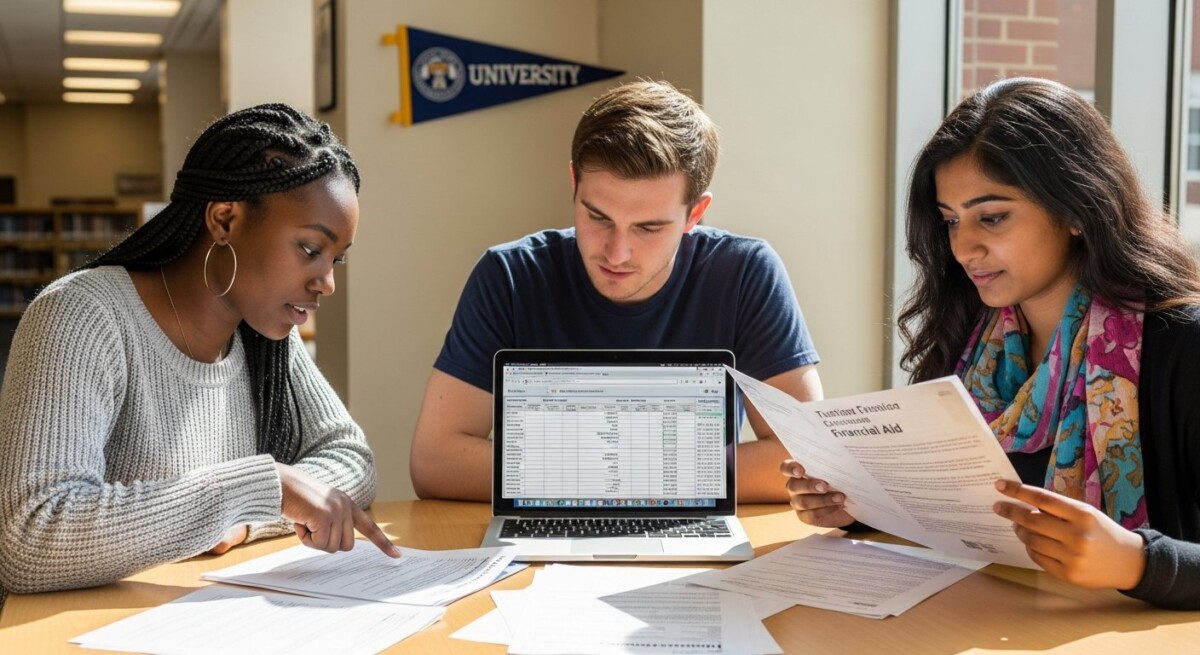
Families researching higher education options in north Alabama often ask about the private college cost in Huntsville, Alabama. While public universities like the University of Alabama in Huntsville draw significant attention, private institutions in the region offer distinct advantages including smaller class sizes, specialized programs, and potentially generous financial aid packages. Understanding the true cost of these private colleges requires looking beyond the sticker price to examine tuition, fees, room and board, and the availability of merit-based scholarships. This guide breaks down the expenses families can expect and provides strategies for making private education affordable.
Understanding Tuition and Fees at Huntsville Private Colleges
Private colleges in the Huntsville area set their own tuition rates independent of state funding, which often results in higher listed prices compared to public universities. However, the net price families actually pay after financial aid can be surprisingly competitive. For the 2025-2026 academic year, tuition at private institutions in and around Huntsville typically ranges from $25,000 to $40,000 annually before aid. This figure includes mandatory fees for technology, student activities, and health services, which add between $1,500 and $3,000 per year.
Oakwood University, a historically Black Seventh-day Adventist institution located in Huntsville, lists undergraduate tuition and fees at approximately $19,000 per year, making it one of the more affordable private options in the state. Faulkner University, based in Montgomery but with a Huntsville campus, charges around $24,000 for full-time undergraduate tuition. These figures represent the starting point for cost calculations. Housing and meal plans add another $8,000 to $12,000 annually depending on whether students live on campus or commute from home.
For families comparing options, it is essential to look at the total cost of attendance rather than tuition alone. The total cost of attendance includes tuition, fees, room and board, books, supplies, transportation, and personal expenses. Private colleges in Huntsville publish these figures on their websites and in their college catalogs, typically ranging from $35,000 to $52,000 per year. When evaluating the private college cost in Huntsville, Alabama, families should request a net price calculator from each school to receive a personalized estimate based on their financial circumstances.
Financial Aid and Scholarships That Reduce Costs
The key to making private college affordable lies in understanding the financial aid system. Private institutions often have larger endowments per student than public universities, allowing them to offer substantial institutional scholarships and grants. At Oakwood University, for example, more than 85 percent of students receive some form of financial aid. The average institutional grant at Oakwood reduces tuition by approximately $8,000 per year, bringing the net cost much closer to public university rates.
Merit-based scholarships are another major factor in lowering the private college cost in Huntsville, Alabama. Students with strong GPAs and standardized test scores can qualify for scholarships that cover 25 to 50 percent of tuition. Faulkner University offers the Presidential Scholarship, which awards up to $12,000 annually for students with a 3.5 GPA and an ACT score of 28 or higher. Oakwood University provides similar merit awards, including the Oakwood Scholars Program that covers full tuition for top-performing students.
Federal aid also plays a critical role. Completing the Free Application for Federal Student Aid (FAFSA) is mandatory for anyone seeking loans, grants, or work-study opportunities. The Federal Pell Grant, which does not require repayment, provides up to $7,395 for the 2025-2026 award year to students with exceptional financial need. Private colleges in Huntsville also participate in federal work-study programs, allowing students to earn money for educational expenses through part-time employment on campus.
In our guide on cheapest private colleges and tuition comparison, we explain how to evaluate scholarship offers and compare net prices across institutions. This resource helps families understand which schools provide the best value based on their academic profile and financial situation.
Comparing Private vs. Public College Costs in Huntsville
To put private college expenses in perspective, consider the costs at public alternatives. The University of Alabama in Huntsville (UAH), a public research university, charges in-state tuition and fees of approximately $11,600 per year. Out-of-state students pay roughly $24,600. Adding room and board at UAH brings the total cost of attendance to about $24,000 for in-state students and $37,000 for out-of-state students. These figures make UAH appear significantly cheaper than private options at first glance.
However, the gap narrows substantially when financial aid is factored in. Private colleges often discount their tuition more aggressively than public universities. A student with a 3.8 GPA and an ACT score of 26 might receive a $10,000 annual merit scholarship from a private college, reducing the net cost to $15,000 or less. That same student at UAH might qualify for a $3,000 merit award, resulting in a net cost of around $8,600. In this scenario, the private college costs about $6,400 more per year, but offers smaller classes, more personalized advising, and potentially stronger career placement services.
For families interested in a broader comparison of affordable options, our resource on affordable private college tuition: a cost comparison guide provides detailed analysis of how different schools structure their pricing and aid. This can help Huntsville families decide whether the additional investment in private education aligns with their goals.
Hidden Costs and Budgeting Tips
Beyond tuition and fees, families should anticipate several additional expenses that affect the private college cost in Huntsville, Alabama. Textbooks and course materials typically cost $1,200 to $1,800 per year. Some private colleges require laptop computers or tablets, adding $800 to $1,500 to first-year expenses. Transportation costs vary widely depending on whether students live on campus or commute. Commuters should budget for gas, parking permits, and vehicle maintenance, while on-campus residents may need funds for occasional trips home.
Health insurance is another consideration. Many private colleges require students to have health insurance and automatically enroll them in a school-sponsored plan unless they provide proof of alternative coverage. These plans cost between $1,500 and $3,000 annually. Personal expenses including toiletries, clothing, entertainment, and cell phone service add another $2,000 to $4,000 per year. When calculating the total cost, families should add these items to the official cost of attendance figures provided by the college.
Budgeting Strategies for Families
To manage these costs effectively, consider the following steps:
- Complete the FAFSA as early as possible each year, ideally in October when the application opens. Early submission maximizes eligibility for need-based aid and state grant programs.
- Research and apply for outside scholarships through local organizations, employers, and national databases. Huntsville-based scholarships from the Community Foundation of Greater Huntsville and the Huntsville Association of Technical Societies can supplement institutional aid.
- Consider a tuition payment plan that allows families to spread annual costs over monthly installments rather than paying in lump sums. Most private colleges offer these plans with minimal or no interest.
- Encourage students to maintain strong academic performance, as many merit scholarships require renewal based on GPA and course load requirements.
These strategies can reduce the financial burden significantly. Families who plan ahead and leverage all available resources often find that private college is more accessible than the sticker price suggests. For additional guidance on tuition planning and scholarship comparison, visit the College & Tuition resource page for college tuition information and financial aid strategies.
Return on Investment for Private College Degrees
When evaluating the private college cost in Huntsville, Alabama, families should consider the long-term return on investment. Graduates from private colleges often benefit from strong alumni networks, career placement services, and internship connections that can lead to higher starting salaries. Oakwood University, for instance, has strong programs in biology, nursing, and business that feed directly into Huntsville’s growing healthcare and technology sectors. The school’s career services office reports that 70 percent of graduates secure employment or enroll in graduate school within six months of graduation.
Faulkner University’s Huntsville campus offers accelerated degree programs for working adults, allowing students to complete bachelor’s degrees in less time while maintaining employment. This reduces overall tuition costs and opportunity costs associated with lost wages. For nontraditional students, this flexibility can make private college a more economical choice despite the higher per-credit-hour rate.
Data from the U.S. Department of Education’s College Scorecard shows that graduates of private colleges in Alabama earn median salaries of $45,000 to $55,000 within ten years of enrollment, depending on the field of study. This compares favorably to the statewide median of approximately $42,000 for public university graduates. When factoring in graduation rates, which are often higher at private institutions (60-70 percent versus 40-50 percent at some public universities), the investment in private education can yield better outcomes for students who complete their degrees.
Frequently Asked Questions
What is the average private college cost in Huntsville, Alabama?
The average listed tuition and fees for private colleges in Huntsville range from $19,000 to $40,000 per year before financial aid. After institutional scholarships and grants, the net cost typically falls between $12,000 and $25,000 annually for most students.
Are private colleges in Huntsville more expensive than public universities?
Private colleges have higher sticker prices, but financial aid often reduces the gap significantly. For students with strong academic records, the net cost of a private college can be within $5,000 to $10,000 of in-state public university costs. Out-of-state students may find private colleges equally or more affordable than public universities.
What financial aid options are available for private college students in Huntsville?
Students can access federal Pell Grants, federal student loans, work-study programs, state grants, and institutional scholarships. Completing the FAFSA is the first step. Private colleges also offer merit-based and need-based aid that can significantly reduce tuition.
Can I negotiate tuition at a private college in Huntsville?
Yes, families can appeal financial aid offers by submitting a professional judgment request if their financial circumstances have changed. Additionally, students with competing offers from other institutions may request a matching scholarship. It is always worth asking the financial aid office about additional options.
What is the total cost of attendance including room and board?
The total cost of attendance at private colleges in Huntsville ranges from $35,000 to $52,000 per year. This includes tuition, fees, housing, meals, books, transportation, and personal expenses. Actual costs vary based on housing choices and meal plan selections.
Ultimately, the decision to attend a private college in Huntsville depends on a family’s financial situation, academic goals, and career aspirations. By thoroughly researching costs, applying for all available aid, and comparing net prices across institutions, families can make informed choices that balance quality education with financial sustainability. The private college cost in Huntsville, Alabama is manageable for many students when approached with careful planning and a proactive financial aid strategy.
About the Author: Michael Grant