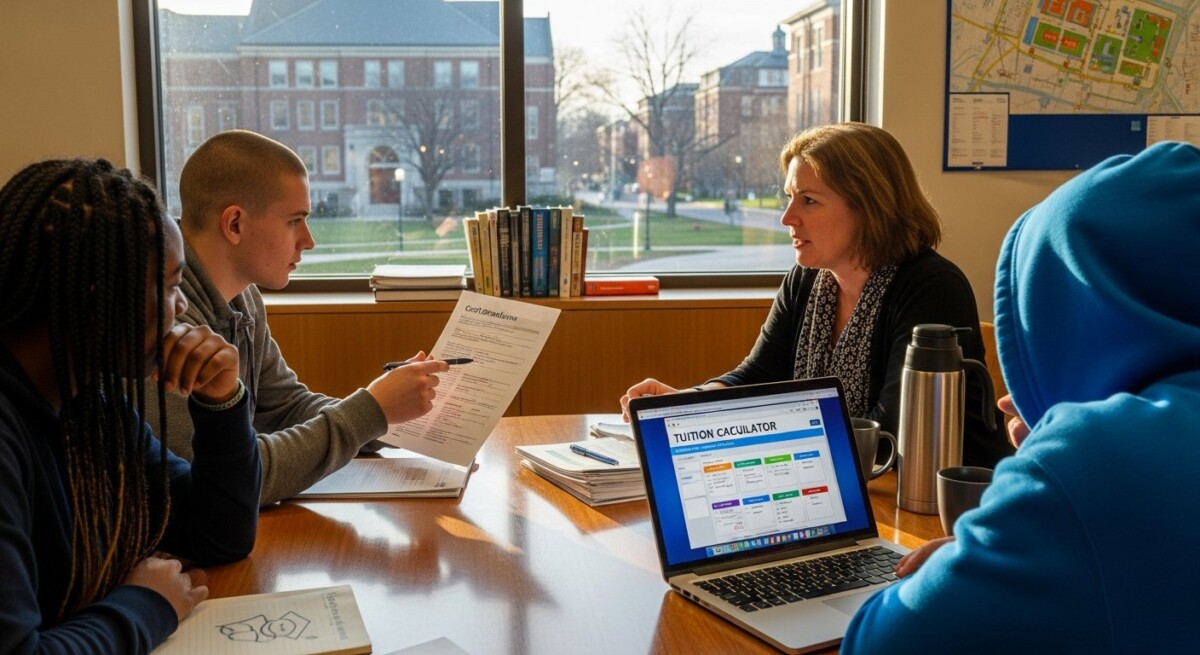
When families begin exploring higher education options in the Twin Cities, they often focus on the University of Minnesota or public state schools. Yet St. Paul, Minnesota is home to several distinguished private colleges that offer unique academic environments, smaller class sizes, and strong alumni networks. However, the cost of these institutions can feel overwhelming without a clear breakdown of what you will actually pay. Understanding the full picture of fees for private colleges in St. Paul, Minnesota is essential for making an informed financial decision that does not leave you with surprise bills or excessive debt.
Private colleges in St. Paul charge more than just tuition. They also assess mandatory fees for technology, student activities, health services, and campus facilities. These additional charges can add thousands of dollars to your annual bill. Many families mistakenly compare only tuition figures, only to discover later that mandatory fees significantly increase their total cost of attendance. This guide walks through the typical fee structures at St. Paul’s private colleges, explains what each fee covers, and provides strategies for reducing your out-of-pocket expenses. By the end, you will have a clear roadmap for evaluating and comparing total costs across different institutions.
Breaking Down the Cost Components at St. Paul Private Colleges
Every private college in St. Paul publishes a cost of attendance figure that includes tuition, fees, room and board, books, and personal expenses. The fees portion is often the least understood element. Mandatory fees are charges that every full-time student must pay regardless of their course load or major. These are not optional. They fund essential services that keep the campus running.
Common mandatory fees at St. Paul private colleges include a technology fee, a student activity fee, a health services fee, and a campus recreation fee. Some schools also charge a separate orientation fee for first-year students and a graduation fee for seniors. The total for these fees typically ranges from $1,500 to $3,500 per academic year, depending on the institution. For example, at Macalester College, mandatory fees are approximately $1,800 per year, while at the University of St. Thomas, they are closer to $2,600. These numbers change annually, so always verify with the college’s financial aid office.
Technology and Lab Fees
Technology fees support campus Wi-Fi, learning management systems, library databases, and help desk services. Lab fees apply to science courses, art studios, and computer labs that require specialized equipment or software. These fees are often charged per course and can range from $50 to $300 per class. If you are a STEM or art major, your total lab fees could add $500 to $1,200 per year on top of mandatory fees.
Health Services and Insurance
Most St. Paul private colleges require students to have health insurance. If you are already covered under a family plan, you may waive the college-sponsored insurance by submitting proof of coverage. However, the health services fee that funds the campus clinic is usually mandatory and non-waivable. This fee covers basic medical consultations, mental health counseling, and wellness programs. At many schools, this fee is bundled into the general mandatory fee rather than listed separately.
Comparing Fee Structures Across Major St. Paul Private Colleges
To give you a practical comparison, here is a breakdown of estimated fees for the 2025-2026 academic year at five prominent private colleges in St. Paul. These numbers are based on published data and should be confirmed with each institution before making decisions.
Before reviewing the numbers, keep in mind that fees can change from year to year and may differ for international students, part-time students, or specific programs like nursing or engineering. Always check the official net price calculator on each college’s website for a personalized estimate.
- Macalester College: Mandatory fees of approximately $1,800 per year. Technology fee included. Lab fees vary by course. Health insurance waiver available.
- University of St. Thomas: Mandatory fees of approximately $2,600 per year. Includes technology, student activity, and health services. Lab fees charged per science course.
- Hamline University: Mandatory fees of approximately $2,100 per year. Includes orientation fee for first-year students. Separate graduation fee of $150.
- St. Catherine University: Mandatory fees of approximately $1,900 per year. Includes health services fee. Lab fees for nursing and science programs.
- Concordia University, St. Paul: Mandatory fees of approximately $1,500 per year. One of the lower fee totals among St. Paul private colleges. Technology fee included.
As you can see, the range is significant. A family choosing between Concordia and St. Thomas could face a $1,100 difference in fees alone. When multiplied over four years, that difference becomes $4,400 before accounting for any annual increases. This is why a detailed comparison is so important. In our guide on Affordable Michigan Colleges: Lowest Tuition Fees for 2026, we explain how to evaluate total cost of attendance across multiple schools, a strategy that applies directly to your St. Paul search.
Hidden Fees That Catch Families Off Guard
Beyond the mandatory fees listed in the official cost of attendance, there are additional charges that many families do not anticipate. These hidden fees can add hundreds or even thousands of dollars to your annual expenses. Being aware of them ahead of time helps you budget accurately and avoid financial stress mid-semester.
One common hidden fee is the course-specific materials fee. Some classes require proprietary software, online homework platforms, or lab kits that are purchased through the college bookstore at a premium. These charges may not appear on your tuition bill but are added to your student account separately. Another is the parking permit fee, which can cost $200 to $600 per year depending on the campus and demand. Late registration fees, transcript request fees, and fees for changing your meal plan are also common.
For commuter students, there may be a reduced fee structure, but not all colleges offer this. Some schools charge all students the same mandatory fees regardless of whether they use campus health services or recreation facilities. Always ask the financial aid office whether commuter or off-campus students can opt out of certain fees. This simple question can save you several hundred dollars per year.
How Financial Aid and Scholarships Offset Fees
The good news is that many private colleges in St. Paul use a practice called fee bundling. This means that institutional scholarships and grants are applied to the total cost of attendance, which includes mandatory fees. So if you receive a $30,000 merit scholarship, it covers not only tuition but also fees, reducing your out-of-pocket cost for those charges. However, need-based aid may not always cover fees in the same way. Some fee waivers are only available to students with the highest financial need.
You can also negotiate with the financial aid office. If you receive a better offer from another private college in St. Paul, you can ask your preferred school to match or adjust its aid package. This is called a professional judgment appeal. Be polite and provide documentation of the competing offer. Many schools will work with you to reduce your net cost, especially if you are a strong candidate they want to enroll. For more detailed strategies on comparing costs and negotiating aid, refer to our article on Affordable Tennessee Colleges: Lowest Tuition Fees in 2026, which outlines a framework applicable to any state.
Another powerful tool is the 529 college savings plan. If you or your family has been contributing to a 529 plan, those funds can be used to pay for qualified higher education expenses, including mandatory fees. Using 529 funds for fees is a tax-advantaged way to reduce your overall cost. Check with your plan administrator for specific rules.
Strategies to Reduce Your Fee Burden at St. Paul Private Colleges
Reducing your fee burden requires a proactive approach. Start by requesting a detailed fee schedule from each college you are considering. Do not rely solely on the website. Ask for a printed or emailed breakdown of all mandatory and optional fees. Then compare them side by side. You may find that one college charges significantly more for health services or technology, even if its tuition is lower.
Next, apply for every scholarship you qualify for, both from the college and from outside organizations. Even small scholarships of $500 to $1,000 can offset fee costs. Many families overlook local scholarships offered by community foundations, employers, or religious organizations. These smaller awards add up and are often renewable.
Consider enrolling in a dual enrollment or early college program while in high school. Some St. Paul private colleges offer discounted tuition and reduced fees for high school students taking college courses. This can save you thousands of dollars before you even officially matriculate. Also, look into cooperative education or work-study programs. Federal work-study earnings can be used to pay fees directly, reducing the amount you need to borrow.
Finally, if you are a transfer student, ask whether any fees are waived or reduced. Some colleges offer transfer student scholarships that cover mandatory fees for the first year. Do not assume these benefits are automatic; you must often request them.
Frequently Asked Questions About Fees for Private Colleges in St. Paul, Minnesota
Are mandatory fees the same for in-state and out-of-state students at private colleges in St. Paul?
Yes, private colleges do not charge different tuition or fees based on state residency. All students pay the same mandatory fees regardless of where they live. However, some fees like health insurance may differ if you waive coverage.
Can I negotiate fees with a private college in St. Paul?
You cannot negotiate individual fees, but you can appeal your financial aid package to include additional grant money that covers fees. The college’s financial aid office has discretion to adjust your total aid based on your circumstances.
Do fees increase every year?
Yes, most private colleges increase fees annually by 2% to 5%. This is similar to tuition increases. When comparing costs, ask for historical fee increases to project future costs.
Are there any private colleges in St. Paul with no mandatory fees?
No, every accredited private college charges mandatory fees. However, some schools bundle fees into tuition, making them less visible. Always ask for a separate fee breakdown.
For more personalized guidance, explore the resources available at college tuition information pages, where you can compare costs and find additional financial planning tools.
Final Thoughts on Navigating Private College Costs in St. Paul
Understanding the full scope of fees for private colleges in St. Paul, Minnesota is not just about reading a number on a website. It requires digging into the fee schedule, asking the right questions, and using financial aid strategically. The difference between a $1,500 fee total and a $3,000 fee total can mean thousands of dollars over four years. By taking the time to compare, negotiate, and plan, you can make a private college education in St. Paul affordable and worthwhile. Use the tools and strategies outlined here to take control of your college financing and choose a school that fits both your academic goals and your budget.
About the Author: Sarah Thompson