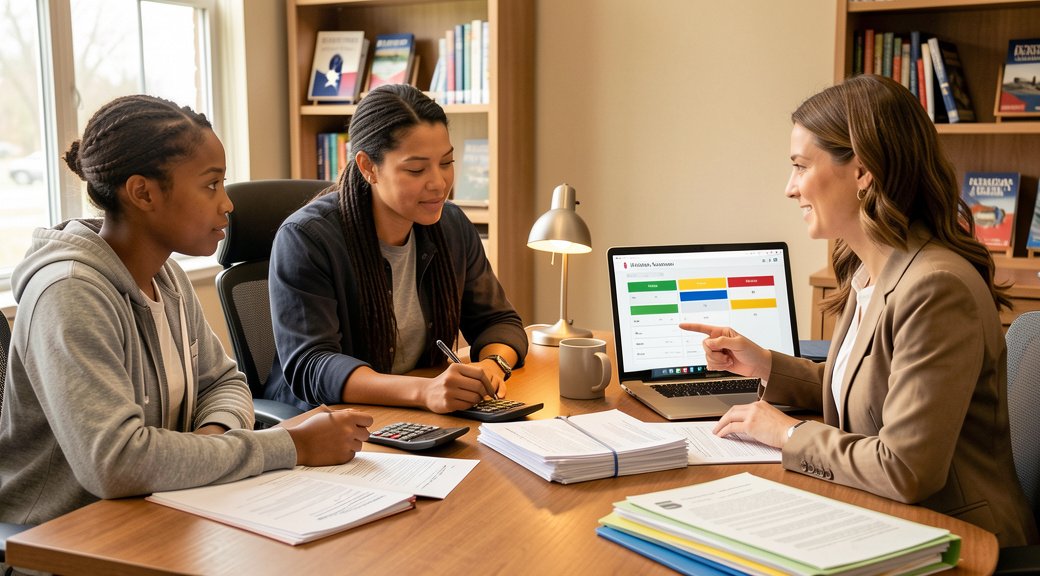
Navigating the path to a teaching career or an advanced role in education does not have to mean taking on overwhelming debt. Many prospective students assume that a quality degree in education requires a hefty price tag, but the landscape of higher learning has shifted dramatically. With the rise of accredited online programs, earning a degree in education is now more accessible and budget friendly than ever. This Affordable Online Education Degrees Cost Guide will walk you through the real expenses, the hidden savings, and the strategic choices that can put a valuable credential within your reach without sacrificing your financial stability. Whether you are a working professional looking to move into administration or a recent high school graduate exploring your options, understanding the full cost picture is the first step toward a smart investment in your future.
The costs associated with online education degrees vary widely based on the institution type, the level of the degree, and the residency status of the student. Public universities often offer the lowest tuition rates for in state students, while private nonprofit schools may provide generous institutional aid. For profit institutions sometimes advertise lower sticker prices but may have different outcomes in terms of student loan debt and employment rates. By breaking down the components of tuition, fees, and ancillary costs, this guide empowers you to compare apples to apples and avoid common financial pitfalls. You will learn how to evaluate programs not just by their per credit hour cost, but by the total cost of attendance including technology fees, textbooks, and clinical requirements.
Breaking Down the True Cost of an Online Education Degree
When researching affordable online education degrees, it is essential to look beyond the headline tuition number. Many programs charge a per credit hour rate that seems reasonable, but mandatory fees can add hundreds or even thousands of dollars to the total. For example, a bachelor’s degree in elementary education might advertise a rate of $300 per credit hour, but if the program requires 120 credits plus a student teaching component, the total tuition could reach $36,000 before factoring in fees for technology, library access, and clinical placements. Understanding these components helps you create an accurate budget and compare programs fairly.
Another significant cost factor is the residency requirement. Many public universities offer a lower tuition rate for students who live in the same state, even for online programs. However, some institutions have begun offering a single, competitive online tuition rate regardless of where the student lives. This can be a game changer for students who do not qualify for in state rates at their local university. Additionally, some programs bundle textbooks and digital materials into a single course fee, which can simplify budgeting but may also be more expensive than sourcing materials independently. Always request a detailed breakdown of all fees before enrolling.
Strategies to Minimize Costs for Online Education Degrees
Finding an affordable online education degree program is only half the battle. The other half involves actively reducing your out of pocket expenses through financial aid, scholarships, and employer assistance. Prospective teachers and education professionals have access to several unique funding opportunities that are not always available to students in other fields.
Federal financial aid is the first place to start. By completing the Free Application for Federal Student Aid (FAFSA), you can qualify for Pell Grants, which do not need to be repaid, as well as federal student loans with fixed interest rates and income driven repayment plans. Many states also offer teacher scholarships or loan forgiveness programs for those who commit to teaching in high need subject areas or underserved communities. These programs can significantly reduce the net cost of your degree.
- Teacher Loan Forgiveness: Federal program that cancels up to $17,500 in loans for qualified teachers in low income schools.
- TEACH Grant: Provides up to $4,000 per year for students who agree to teach in a high need field or low income area for four years.
- Employer Tuition Assistance: Many school districts and educational organizations offer annual tuition reimbursement for employees pursuing advanced degrees.
- Military Benefits: Active duty service members, veterans, and their dependents may qualify for Tuition Assistance or the GI Bill.
- Institutional Scholarships: Many online programs offer merit based or need based scholarships specifically for education majors.
After exploring these funding sources, you should also consider the total time to completion. Accelerated programs, while often more intense, can reduce the number of semesters you need to pay for, lowering overall costs. Some universities offer competency based education models where you pay a flat fee per term and complete as many courses as you can. This approach can dramatically cut costs for motivated students who can move quickly through material they already know. However, be cautious about taking on too many courses at once, as this can lead to burnout or poor performance.
Comparing Program Types: Associate, Bachelor, Master, and Doctoral
The level of the degree you pursue has a direct impact on the total cost. An associate degree in early childhood education from a community college is typically the most affordable entry point, often costing between $6,000 and $15,000 total. These programs can serve as a stepping stone to a bachelor’s degree and may allow you to work as a preschool teacher or paraprofessional while you continue your education. Many community colleges have seamless transfer agreements with four year universities, which can save you thousands on the first two years of a bachelor’s program.
Bachelor’s degrees in education generally cost between $20,000 and $60,000 for the full program, depending on the institution. The most affordable online education degrees at this level often come from public universities with flat rate online tuition. Master’s degrees, which are increasingly required for career advancement and higher pay in many school districts, typically range from $10,000 to $40,000. Some school districts offer salary step increases for teachers who earn a master’s degree, which can offset the cost over time. Doctoral degrees in education (Ed.D. or Ph.D.) are the most expensive, often exceeding $50,000, but they open doors to leadership roles in administration, policy, and higher education.
When comparing programs, look at the total cost of the degree rather than the per credit hour rate alone. A program with a slightly higher per credit hour cost but fewer required credits may actually be cheaper overall. Also, consider the length of the program and whether it allows you to continue working full time. Online programs are designed for flexibility, but some require synchronous class meetings or intensive residencies that could interfere with your work schedule. You can explore our guide on 7 Most Affordable Online Associate Degrees for 2026 to see how an associate degree can fit into your long term plan.
Accreditation and Quality: Why They Matter for Cost
One of the most critical factors in determining the true value of an online education degree is accreditation. Accreditation ensures that the program meets established standards of quality and that your degree will be recognized by employers, state licensing boards, and other institutions. Attending a non accredited program can be a costly mistake, as credits may not transfer and you may not qualify for teaching licensure. There are two main types of accreditation: institutional and programmatic.

Institutional accreditation is granted by regional or national accrediting bodies. Regional accreditation is generally considered the gold standard and is required for eligibility for federal financial aid. National accreditation is more common among for profit and vocational schools. Programmatic accreditation for education degrees is typically granted by the Council for the Accreditation of Educator Preparation (CAEP) or the Association for Advancing Quality in Educator Preparation (AAQEP). A degree from a CAEP accredited program is often required for teaching licensure in many states. While accredited programs may sometimes cost more upfront, they provide a safer investment because they lead to recognized credentials and better job prospects.
To verify a school’s accreditation, visit the U.S. Department of Education’s database of accredited postsecondary institutions and programs. You can also check with your state’s department of education to confirm which programs are approved for teacher certification. Remember that the cheapest program is not always the best value if it does not lead to licensure or if its credits are not transferable. A slightly more expensive accredited program can save you money in the long run by preventing the need to repeat courses or pursue a second degree.
Frequently Asked Questions About Affordable Online Education Degrees
What is the average cost of an online bachelor’s degree in education?
The average cost ranges from $20,000 to $60,000 for the entire program, depending on whether you attend a public or private institution and whether you qualify for in state tuition. Public universities with flat rate online tuition often offer the most affordable options, sometimes as low as $250 to $400 per credit hour.
Can I get a teaching license through an online degree program?
Yes, many accredited online education degree programs are designed to lead to initial teacher licensure. However, you must ensure the program is approved by your state’s department of education and includes a supervised student teaching component. Some programs partner with local schools to arrange this clinical experience.
Are there any hidden costs in online education programs?
Yes, common hidden costs include technology fees, proctoring fees for online exams, digital textbook access codes, and travel costs for any required on campus residencies or clinical placements. Always request a full cost of attendance breakdown before enrolling.
How can I find scholarships specifically for education majors?
Start with the financial aid office at the university you plan to attend. Also search for national scholarships from organizations like the American Federation of Teachers, the National Education Association, and the TEACH Grant program. State specific scholarships for future teachers are also widely available.
Is it cheaper to take online courses at a community college first?
Yes, completing general education requirements at an accredited community college can significantly reduce the overall cost of a bachelor’s degree. Many community colleges charge $100 to $200 per credit hour, and their credits often transfer seamlessly to four year universities through articulation agreements.
Making Your Final Decision: Balancing Cost and Career Goals
Choosing the right online education degree program requires a careful balance between affordability and your long term career aspirations. While the upfront cost is important, you should also consider the earning potential and job placement rates of graduates from each program. For example, a master’s degree in special education or English as a Second Language (ESL) may cost more initially but can lead to higher salaries and greater job security due to high demand for these specialists. Similarly, an online program that offers strong career services, alumni networking, and internship placement can provide a return on investment that far exceeds its sticker price.
As you compare programs, create a spreadsheet that includes the total cost of attendance, the availability of financial aid and scholarships, the program’s accreditation status, and the support services offered to online students. Reach out to admissions counselors and ask specific questions about tuition increases, fee structures, and the average debt load of graduates. You can also use resources like College & Tuition to explore a wide range of online degree options and connect with schools that match your budget and career goals. By taking a methodical approach and using this Affordable Online Education Degrees Cost Guide as your roadmap, you can confidently invest in a degree that enriches your life and your community without derailing your financial future.
About the Author: Sophia Clark