Families moving to Richardson, Texas or those already living in this Dallas suburb often weigh the benefits of private education against the financial commitment. With top-ranked public schools and a growing number of private institutions, the decision comes down to more than academics. It requires a clear understanding of tuition, fees, and hidden costs. This guide breaks down the real cost of private schooling in Richardson, Texas, helping parents budget wisely and compare options without guesswork.
What Drives Private School Tuition in Richardson
Tuition at private schools in Richardson varies widely based on grade level, religious affiliation, and curriculum type. Elementary programs tend to cost less than middle or high school, where advanced courses and college prep resources increase expenses. Schools affiliated with religious organizations often offer lower tuition because they receive funding from their congregation. Nonsectarian schools, especially those with specialized programs like International Baccalaureate or STEM tracks, typically charge higher rates.
Location also plays a role. Richardson sits in Collin County, an area with a strong economy and high demand for quality education. Private schools here compete with well-funded public districts, so they must offer distinct value. This competition keeps tuition moderate compared to private schools in nearby cities like Dallas or Highland Park, but it still represents a significant household expense. Understanding these drivers helps parents anticipate annual increases and plan for long-term enrollment.
Tuition Ranges by School Type
Most private schools in Richardson fall into three categories: faith-based, independent secular, and Montessori or alternative schools. Faith-based schools generally range from $6,000 to $12,000 per year. Independent secular schools often charge between $12,000 and $22,000 annually. Montessori programs vary widely but typically fall between $8,000 and $15,000 for full-day programs. These figures represent base tuition and do not include additional fees for technology, field trips, or extracurricular activities.
For example, a well-known faith-based school in Richardson may charge $9,500 for elementary grades, while a secular college prep school could ask $18,000 for the same level. Preschool and pre-kindergarten programs sometimes cost less, but full-day care options push prices higher. Parents should request detailed fee schedules before enrolling to avoid surprises.
Beyond Tuition: Additional Fees and Expenses
The cost of private schooling in Richardson, Texas extends beyond the annual tuition statement. Many schools charge registration fees that range from $200 to $1,000, and these are often nonrefundable. Technology fees cover laptops, tablets, or software subscriptions and can add $500 to $1,500 per year. Athletic participation, music lessons, and specialized clubs often require separate payments.
Uniforms represent another recurring expense. Some schools require specific blazers, skirts, or polos from approved vendors, costing $200 to $600 per year. Before- and after-care programs, essential for working parents, add $3,000 to $6,000 annually. Transportation services, if available, cost extra. When combined, these ancillary fees can increase the true cost by 15 to 30 percent above tuition.
To get a complete picture, parents should request an all-in cost estimate from each school. Ask about payment plans, sibling discounts, and whether any fees are waived for early enrollment. Comparing total costs across schools reveals which institution offers the best value for your family’s budget. For a broader perspective on how private education expenses compare nationally, our guide on Affordable Private College Tuition: A Cost Comparison Guide provides helpful benchmarks.
Financial Aid and Scholarship Options
Private schools in Richardson increasingly offer financial aid to make education accessible to more families. Need-based aid is the most common form, with schools using third-party services like FACTS or SSS to assess family finances. Awards typically cover 10 to 50 percent of tuition, though some schools offer up to 80 percent for qualifying families. Merit-based scholarships are less common at the elementary level but become more available in middle and high school for students with exceptional academic or artistic talent.
Sibling discounts are another cost-saving option. Many schools reduce tuition by 10 to 20 percent for the second child and more for additional children. Early payment discounts, where families pay the full year upfront, can save 2 to 5 percent. Payment plans spread costs over 10 or 12 months without interest, easing cash flow. Parents should apply for aid early, as funds are limited and distributed on a first-come, first-served basis.
Families seeking additional resources can explore state-based programs or nonprofit scholarships. Organizations like the Children’s Scholarship Fund and local foundations provide partial tuition assistance for qualifying families. Combining school-based aid with external scholarships can significantly reduce out-of-pocket costs. For more ideas on managing education expenses, visit college tuition information for tools and guides on tuition planning and scholarship comparison.
Comparing Private vs. Public School Costs in Richardson
Richardson Independent School District consistently ranks among the top in Texas, offering strong academics, fine arts programs, and competitive athletics at no tuition cost. This makes the decision between private and public education primarily about fit and additional expenses. While private school tuition ranges from $8,000 to $22,000 per year, public school families still face costs for supplies, field trips, sports fees, and technology. These public school expenses typically total $500 to $2,000 annually, far less than private tuition.
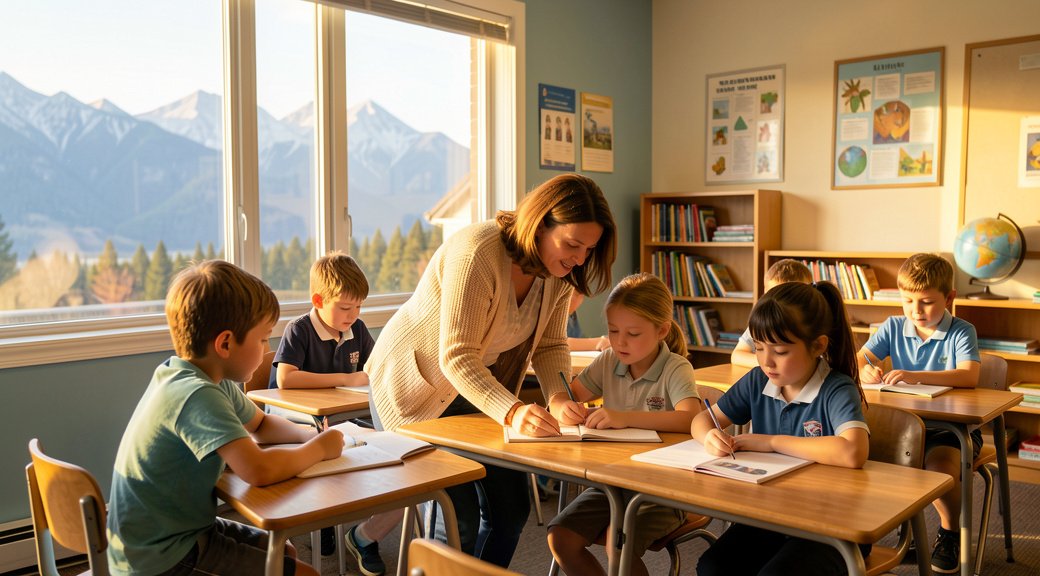
However, private schools often provide smaller class sizes, specialized curricula, and more individualized attention. For some families, these benefits justify the higher cost. Others find that public schools, combined with supplementary programs like tutoring or enrichment classes, meet their needs at a lower price. The key is to evaluate your child’s specific requirements and your family’s financial situation before committing.
Consider the long-term financial impact. Paying private school tuition for 13 years can total over $200,000 for one child. That amount could instead fund a college education or retirement savings. Families should weigh the opportunity cost against the immediate benefits of private schooling. Tools like the 529 savings plan can help if you decide to pursue private K-12 education, as recent tax law changes allow 529 funds to cover up to $10,000 per year in private school tuition.
Hidden Costs to Watch For
Beyond fees and uniforms, private schools sometimes require parents to participate in fundraising or volunteer hours. While not a direct cost, the time commitment can affect family schedules. Some schools also expect donations to annual funds or capital campaigns, with suggested amounts ranging from $100 to $1,000. These voluntary contributions often influence classroom resources and school improvements.
Transportation is another factor. If the school does not offer bus service, parents must drive daily or arrange carpools. For families living more than 10 miles away, fuel and vehicle wear add up. Extended day programs, while convenient, increase the overall cost. Parents should calculate commute time and associated expenses when comparing schools.
How to Budget for Private School
Creating a realistic budget starts with gathering detailed cost information from at least three schools. List tuition, fees, uniforms, supplies, transportation, and after-care. Add a contingency of 5 percent for unexpected costs. Compare this total against your household income and discretionary spending. If the gap seems large, explore financial aid options before ruling out a school.
Consider these practical steps to manage costs:
- Apply for financial aid at every school you consider, even if you think you may not qualify. Many families underestimate eligibility.
- Ask about sibling discounts and negotiate payment plans. Some schools offer tuition reductions for enrolling multiple children.
- Set up a dedicated savings account for education expenses. Automate monthly contributions to spread the cost across the year.
- Review your budget annually. Tuition increases are common, so plan for 3 to 5 percent annual growth.
Tracking expenses throughout the year helps identify areas where you can save. For instance, buying used uniforms from parent groups or participating in school swap events reduces clothing costs. Carpooling with other families cuts transportation expenses. Every small saving adds up over the school year.
Long-Term Financial Planning for Private Education
Choosing private school for your child often means adjusting other financial priorities. Some families reduce retirement contributions or delay home improvements to afford tuition. Others take on side income or use tax refunds to cover costs. Strategic planning helps avoid debt and maintain financial stability.
A 529 plan is one of the most effective tools for K-12 private school savings. Contributions grow tax-free, and withdrawals for qualified education expenses, including private school tuition, are not taxed. Texas has no state income tax, so residents do not get a state tax deduction, but the federal tax benefits still apply. Starting a 529 plan early, even with small contributions, builds a fund that reduces the need for loans or credit cards.
For families considering private high school, the cost of private schooling in Richardson, Texas can reach $22,000 per year. Four years of high school at this rate totals $88,000. Planning for this expense while also saving for college requires discipline. Resources like College & Tuition offer calculators and guides to help families project costs and identify scholarship opportunities. Using these tools early in your child’s education journey provides a clearer financial roadmap.
Frequently Asked Questions
What is the average tuition for private schools in Richardson?
Average tuition ranges from $8,000 to $18,000 per year depending on grade level and school type. Faith-based schools tend toward the lower end, while independent college prep schools charge more.
Do private schools in Richardson offer financial aid?
Yes, many schools offer need-based financial aid. Awards typically cover 10 to 50 percent of tuition. Some schools also offer merit scholarships for older students. Apply early as funds are limited.
Are there hidden costs beyond tuition?
Yes. Registration fees, technology fees, uniforms, after-care, transportation, and extracurricular activities add 15 to 30 percent to base tuition. Always request a full fee schedule before enrolling.
Can I use a 529 plan for private school tuition in Texas?
Yes. Federal law allows 529 plan withdrawals up to $10,000 per year for K-12 private school tuition. Texas residents do not get a state tax deduction, but earnings grow tax-free.
How does private school cost compare to public school in Richardson?
Public school is free, though families spend $500 to $2,000 annually on supplies, sports, and field trips. Private school costs $8,000 to $22,000 per year plus extras. The value depends on your child’s needs and your budget.
The cost of private schooling in Richardson, Texas requires careful research and honest budgeting. Tuition is only part of the equation. Fees, uniforms, transportation, and enrichment activities all contribute to the total. By gathering detailed information, applying for aid, and planning long-term, families can make an informed decision that aligns with both their educational goals and financial reality. For ongoing support and tools to compare costs and find scholarships, explore the resources available at College & Tuition. Start your planning today to give your child the best educational fit without compromising your family’s financial health.
About the Author: David Reynolds