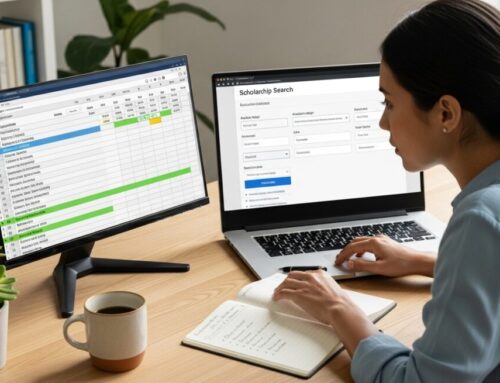
Choosing to earn a business degree online is a major decision that involves weighing both the price tag and the long-term payoff. With tuition rates varying widely across institutions, many prospective students find themselves asking the same question: is an online business degree worth the investment? The answer depends on understanding the full landscape of costs, hidden fees, financial aid options, and the true return on investment that different programs offer. This Online Business Schools Cost and Value Guide breaks down what you need to know to make a smart financial choice.
The demand for flexible, accredited business programs has never been higher. Working professionals, parents, and career changers are increasingly turning to online formats to earn their degrees without putting their lives on hold. However, the convenience of online learning does not automatically mean it is cheaper. Some online programs carry the same tuition rates as their on-campus counterparts, while others offer significant savings. To navigate this complex market, you need a clear framework for comparing costs and evaluating value beyond just the sticker price.
Understanding the True Cost of an Online Business Degree
When you look at the cost of business schools online, the first number you see is usually tuition per credit hour. But the total expense includes several other components that can add up quickly. Many students forget to factor in technology fees, online course materials, proctoring fees for exams, and the cost of a reliable internet connection. Some schools also charge a differential tuition rate for upper-level business courses, meaning your junior and senior years could cost more than your first two years.
Another critical factor is the difference between in-state and out-of-state tuition for public universities. While many online programs offer a flat tuition rate regardless of where you live, not all do. You should always confirm whether the program offers a single online tuition rate or if it varies by residency. Additionally, some schools require you to attend a brief on-campus residency or orientation, which adds travel and lodging expenses. These hidden costs can transform what seemed like an affordable program into a budget-busting one if you are not prepared.
Comparing Value Across Program Types
Not all online business degrees deliver the same value. A degree from a regionally accredited, non-profit university often carries more weight with employers than one from a for-profit institution, even if the for-profit option is cheaper upfront. The key is to look at graduation rates, job placement statistics, and median starting salaries for graduates. These metrics give you a clearer picture of what your investment will return.
When evaluating an online business degree, consider these four value indicators:
- Accreditation status: Look for regional accreditation and program-specific accreditation from AACSB, ACBSP, or IACBE.
- Graduation rate: A high graduation rate suggests strong student support and program quality.
- Alumni network: A large, active alumni network can help you find jobs and mentors after graduation.
- Employer recognition: Research whether companies in your target industry actively recruit from the program.
These indicators help you separate programs that merely offer a diploma from those that provide a genuine career boost. For example, a highly ranked online MBA from a well-known state university may cost more per credit hour than a lesser-known private online school, but the return on investment in terms of salary increase and networking opportunities can be substantially higher. Always examine the outcomes data that schools are required to publish under federal disclosure rules.
Financial Aid and Tuition Assistance Options
Paying for an online business degree does not have to mean taking on massive debt. Federal financial aid is available for accredited online programs, including Pell Grants for undergraduates and Direct Loans for both undergraduate and graduate students. You must complete the Free Application for Federal Student Aid (FAFSA) to qualify. Many students overlook this step because they assume online students are not eligible, but that is a costly mistake.
In addition to federal aid, many employers offer tuition reimbursement benefits. If you are currently working, check with your human resources department to see if your company covers part or all of the cost of an online business degree. Some companies partner with specific universities to offer discounted tuition rates to employees. Military veterans and active-duty service members should explore the GI Bill and Tuition Assistance programs, which many online business schools accept. You can find more detailed information about affordable program options in our guide on Affordable Online Business Degrees: Cost and Value Guide.
Scholarships are another often-tapped resource specifically for online business students. Professional organizations like the National Association of Black Accountants or the American Marketing Association offer scholarships for students pursuing business degrees. Some schools also have dedicated scholarship funds for online learners. The key is to apply early and to multiple sources. Even a few hundred dollars can reduce your overall loan burden significantly.

How to Calculate Return on Investment
Determining whether an online business degree is worth the cost requires a simple but thorough ROI calculation. Start by adding up the total cost of the program, including tuition, fees, books, and any technology expenses. Then, research the average starting salary for graduates of that specific program. Subtract your current salary from the projected post-graduation salary to estimate your annual income increase. Divide the total cost of the program by that annual increase to find out how many years it will take to recoup your investment.
For example, if a program costs $30,000 total and you expect a $10,000 annual salary increase after graduation, your payback period is three years. Any salary growth beyond that point is pure financial gain. However, this calculation does not capture non-monetary benefits such as career advancement opportunities, professional credibility, and personal growth. These intangible factors often provide value that outweighs the purely financial return.
It is also wise to consider the opportunity cost of your time. If you are working while studying, your earnings during the program remain steady. But if you need to reduce your work hours to accommodate coursework, that lost income should be factored into your total cost. Some students find that the flexibility of an online program allows them to maintain full-time employment, making the opportunity cost negligible.
Red Flags and Cost Traps to Avoid
The online education market includes both excellent programs and predatory ones. Be wary of schools that guarantee jobs or promise unusually high starting salaries. No accredited institution can guarantee employment, and such claims often signal a for-profit school with questionable outcomes. Also watch for programs that charge high application fees, require expensive proprietary software, or pressure you to sign up without giving you time to review the total cost breakdown.
Another common trap is the “all-inclusive” fee structure that bundles tuition, books, and fees into one price. While this may seem convenient, it often results in paying more than you would if you purchased items separately. Always ask for an itemized list of all charges. Finally, avoid schools that are not regionally accredited. Credits from nationally accredited or unaccredited institutions often do not transfer to other schools, and employers may not recognize the degree. Protecting your investment starts with choosing a legitimate, accredited program.
Making the Final Decision
Choosing an online business school is a personal decision that depends on your career goals, financial situation, and learning preferences. Start by listing your priorities: is cost the most important factor, or is prestige and networking more critical? Do you need a program that allows you to complete coursework asynchronously, or do you prefer live classes? Once you have your priorities clear, use the framework in this Online Business Schools Cost and Value Guide to compare programs side by side.
Remember that the cheapest option is not always the best value, and the most expensive program does not guarantee the best outcome. Look for the sweet spot where affordability, accreditation, and strong student outcomes intersect. Take advantage of free resources like school-sponsored webinars, financial aid calculators, and career outcome reports. You can also explore programs through trusted directories and resources like College Degree School to discover accredited options that match your criteria.
Ultimately, the right online business degree will open doors to new opportunities without burying you in debt. With careful research and a clear understanding of both costs and value, you can make a choice that supports your career for decades to come. The time you invest in evaluating programs now will pay dividends long after you graduate.
About the Author: Olivia Martin