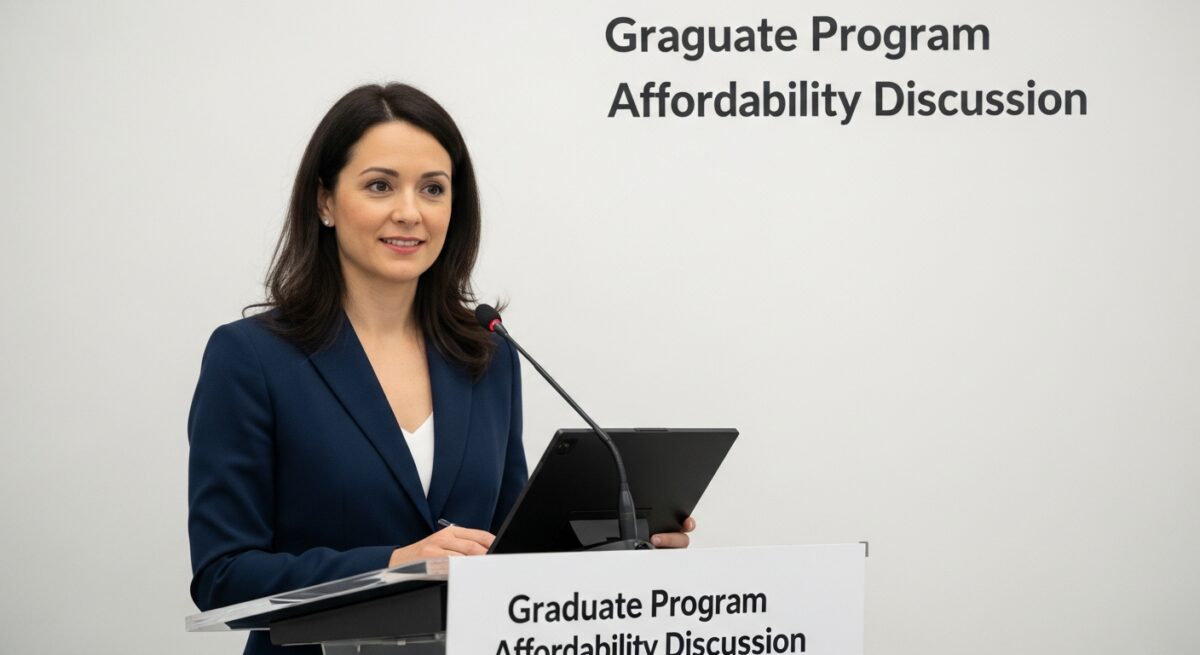
Deciding to pursue an advanced degree is a significant financial and personal commitment. With tuition costs rising at traditional brick-and-mortar institutions, many professionals are turning to online programs to advance their careers without putting their lives on hold. However, navigating the landscape of online graduate degrees requires a clear understanding of both the price tag and the potential return on investment. This Online Graduate Degrees Cost and Value Guide will help you evaluate programs based on actual expenses, hidden fees, and long-term career outcomes so you can make a choice that fits your budget and your goals.
Understanding the True Cost of Online Graduate Degrees
The sticker price of an online master’s degree can vary dramatically depending on the institution, the field of study, and the program’s structure. Public universities often offer lower per-credit rates for in-state residents, while private non-profit schools may charge a flat rate regardless of where you live. For-profit institutions sometimes advertise lower upfront costs but may have higher total program fees or less generous financial aid packages. It is essential to look beyond the headline tuition number and consider all the components that contribute to the final cost.
Many students assume that online learning automatically means lower tuition. While you will save on commuting, parking, and sometimes housing, the academic fees can be comparable to on-campus programs. Technology fees, library access charges, and course materials are often added separately. Some programs also require proctored exam fees or lab kits for science-based degrees. To get an accurate picture, request a full breakdown of costs from the admissions office before you apply. This transparency allows you to compare apples to apples when evaluating different schools.
Key Cost Components to Investigate
When reviewing program expenses, pay close attention to these specific areas that can inflate your total bill:
- Per-credit tuition rate: This is the base cost. Multiply it by the total number of credits required for graduation (typically 30 to 36 for a master’s degree).
- Mandatory fees: Look for technology fees, distance education fees, student activity fees, and graduation fees. These can add hundreds or thousands of dollars per year.
- Course materials: Digital textbooks, software licenses, and online access codes are often required and can cost $200 to $600 per course.
- Residency requirements: Some online programs still require one or two on-campus intensives. Factor in travel, lodging, and meals for those visits.
Understanding these elements helps you avoid surprise bills later. For a deeper look at how different program structures affect overall expenses, refer to our practical guide on Online Degree Cost and Value: A Practical Guide. That resource breaks down the financial trade-offs between accelerated programs and traditional semester-based formats.
Evaluating the Return on Investment (ROI)
Cost is only half of the equation. The true measure of a program’s worth is its return on investment. ROI for an online graduate degree includes salary increases, career advancement opportunities, and the value of the professional network you build. A degree that costs $30,000 may be a better deal than one that costs $20,000 if it leads to a job with a significantly higher starting salary or a faster path to promotion. Research the average post-graduation outcomes for each program you consider.
Many universities publish employment statistics, including placement rates, average starting salaries, and the percentage of graduates who receive job offers within six months of completion. Look for this data on the school’s career services page or ask the program director directly. If a school is reluctant to share this information, consider that a red flag. Accredited programs are usually required to report this data, and transparency is a sign of confidence in the program’s value.
Fields with the Strongest ROI
Not all graduate degrees yield the same financial returns. Business administration, nursing, computer science, and engineering consistently rank among the best online graduate degrees for salary growth. A Master of Business Administration (MBA) from an accredited online program can open doors to executive leadership roles. A Master of Science in Nursing (MSN) can lead to advanced practice roles like nurse practitioner, which command six-figure salaries. Meanwhile, degrees in education, social work, or the humanities may offer lower financial returns but can provide immense personal fulfillment and job stability. Align your choice with both your career ambitions and your financial reality.
Financial Aid and Employer Tuition Assistance
Many students overlook the funding sources available specifically for online learners. Federal financial aid is available for accredited online programs, and you should always complete the Free Application for Federal Student Aid (FAFSA) to see if you qualify for grants, loans, or work-study funds. Graduate students can also apply for federal Direct Unsubsidized Loans and Grad PLUS Loans. Private loans are another option, but they often carry higher interest rates and fewer borrower protections.
Employer tuition assistance is a powerful but underutilized resource. Many companies offer reimbursement for job-related graduate courses, sometimes covering the full cost of tuition up to a certain annual limit. Check with your human resources department to understand your company’s policy. Some employers require you to maintain a minimum GPA or stay with the company for a set period after completing the degree. Even partial reimbursement can significantly reduce your out-of-pocket expenses and improve the overall value of the program.
Accreditation and Its Impact on Value
Accreditation is the single most important factor in determining the legitimacy and value of an online graduate degree. Regional accreditation is the gold standard in the United States, recognized by employers and other academic institutions. If a program is not regionally accredited, your credits may not transfer, and employers may not consider the degree valid for advancement or licensing. National accreditation is generally considered less rigorous and may limit your options for transferring credits or pursuing further education.

In addition to institutional accreditation, look for programmatic accreditation relevant to your field. For example, business programs should be accredited by the Association to Advance Collegiate Schools of Business (AACSB) or the Accreditation Council for Business Schools and Programs (ACBSP). Nursing programs should be accredited by the Commission on Collegiate Nursing Education (CCNE) or the Accreditation Commission for Education in Nursing (ACEN). Programmatic accreditation ensures that the curriculum meets industry standards and that your degree will be respected by employers and licensing boards.
Comparing Program Formats: Synchronous vs. Asynchronous
The delivery format of an online graduate degree can affect both cost and value. Synchronous programs require you to attend live classes at set times, which can be challenging if you have a full-time job or family obligations. Asynchronous programs allow you to access lectures and complete assignments on your own schedule, offering greater flexibility. The cost difference between these formats is often minimal, but the value to you depends on your personal circumstances. If you need maximum flexibility to balance work and school, an asynchronous program may be worth a slightly higher tuition.
Some programs use a hybrid model, combining pre-recorded lectures with weekly live discussion sessions. This approach can provide the best of both worlds: the convenience of self-paced learning plus the engagement of real-time interaction with professors and peers. When evaluating programs, ask about the typical weekly time commitment for coursework and live sessions. A program that requires 15 to 20 hours per week may not be feasible if you are working full-time. Choose a format that fits your lifestyle to ensure you can complete the degree without burnout.
Frequently Asked Questions
Are online graduate degrees cheaper than on-campus degrees?
Not always. While online programs often have lower tuition than their on-campus counterparts, the difference can be small. You will save on commuting and housing, but fees and materials may offset those savings. Always compare the total cost of attendance for both options.
Can I get financial aid for an online graduate degree?
Yes. Accredited online programs are eligible for federal financial aid, including Direct Unsubsidized Loans and Grad PLUS Loans. You must complete the FAFSA to apply. Many employers also offer tuition reimbursement for job-related graduate study.
How do I know if an online graduate program is worth the cost?
Research post-graduation outcomes such as average starting salaries, job placement rates, and career advancement opportunities for alumni. Compare these metrics against the total cost of the program to calculate your potential return on investment.
What is the cheapest online graduate degree?
Costs vary widely, but programs in fields like education, public administration, and general business tend to be more affordable. Public universities often offer lower rates for in-state students. Look for programs with per-credit tuition under $500 for the best value.
Making Your Final Decision
Choosing an online graduate degree is a personal decision that balances cost, flexibility, and career goals. Start by listing your must-haves: accreditation, program format, specialization, and budget. Then research three to five programs that meet those criteria. Request detailed cost breakdowns, ask about financial aid options, and reach out to current students or alumni for honest feedback about the program’s strengths and weaknesses. Remember that the cheapest option is not always the best value if it lacks accreditation or fails to prepare you for your desired career. Use this Online Graduate Degrees Cost and Value Guide as your roadmap to navigate the options with confidence. With careful planning and thorough research, you can find a program that fits your life and delivers a strong return on your educational investment.
For additional resources on comparing programs and finding affordable options, visit College Degree School to explore accredited online degree opportunities tailored to your needs.
About the Author: Emily Wilson