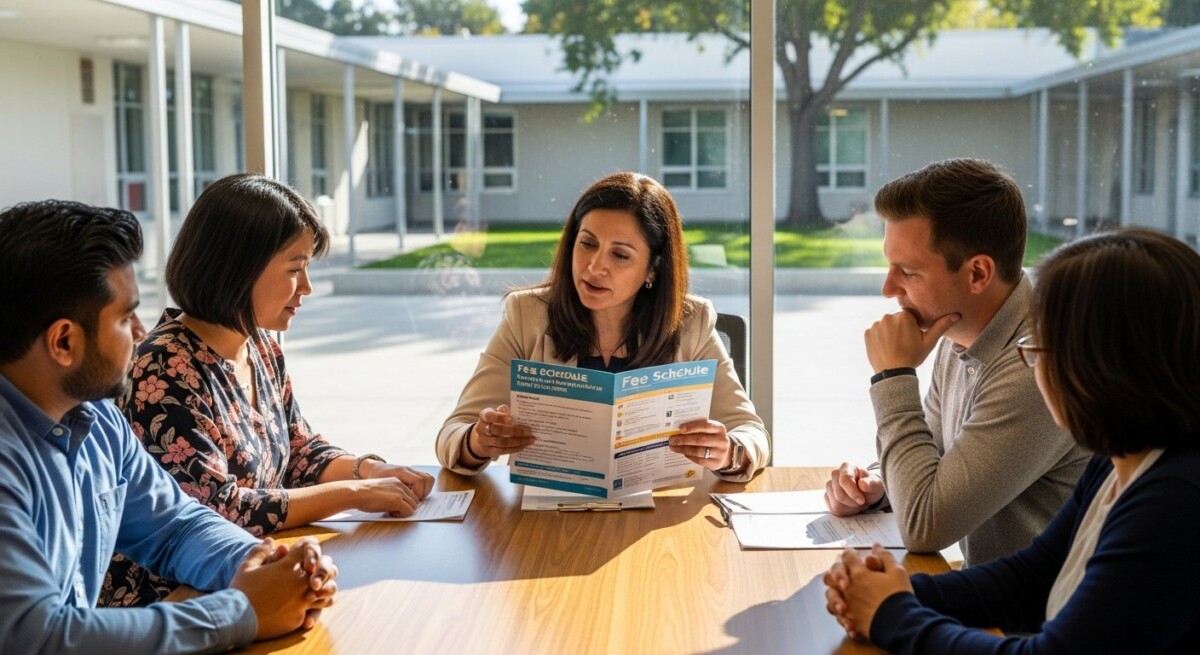
When families in South Bend begin exploring educational options for their children, private school tuition often emerges as a central concern. Unlike public schools funded by local taxes, private institutions charge tuition that reflects their unique curricula, smaller class sizes, and specialized facilities. Understanding the full scope of private school fees in South Bend, Indiana requires looking beyond the sticker price to consider enrollment deposits, technology fees, extracurricular costs, and financial aid opportunities. This guide walks through the typical cost structure, what families actually pay, and how to plan for these expenses effectively.
Why Families Choose Private Schools in South Bend
South Bend offers a diverse range of private educational options, from faith-based elementary schools to college-preparatory high schools. Parents often cite smaller class sizes, values-aligned instruction, and stronger college counseling as primary motivators. Many private schools in the area maintain student-to-teacher ratios of 10:1 or lower, allowing for personalized attention that public schools with larger enrollments may struggle to provide. Additionally, specialized programs in STEM, arts, or international baccalaureate curricula attract families seeking a tailored academic experience.
However, these benefits come with significant financial commitments. The average private school tuition in South Bend ranges from $4,000 per year at some parochial elementary schools to over $15,000 per year at elite college-preparatory high schools. These figures do not include mandatory fees for technology, athletics, or transportation, which can add hundreds or thousands of dollars annually. For families comparing options, a detailed breakdown of private school fees in South Bend, Indiana is essential for accurate budgeting.
Breaking Down the Tuition and Fee Structure
Private school fees in South Bend, Indiana typically fall into several categories. Understanding each component helps families avoid surprise charges and compare schools on an apples-to-apples basis.
Base Tuition
Tuition is the largest expense and varies widely by institution. For example, a Catholic elementary school in South Bend may charge around $4,500 per year for parishioners, while a non-sectarian independent school could ask $12,000 or more. High schools generally command higher tuition due to advanced placement courses, lab equipment, and college counseling services. When evaluating tuition, ask whether the posted rate includes all instructional costs or if there are separate fees for books, lab materials, or field trips.
Enrollment and Registration Fees
Most private schools charge a one-time or annual enrollment fee to secure a student’s spot. These fees range from $100 to $500 and are often non-refundable. Some schools apply this fee toward the first tuition installment, while others treat it as a separate administrative cost. It is important to clarify this distinction during the application process.
Technology and Activity Fees
Many South Bend private schools have adopted one-to-one device programs, requiring students to use school-issued laptops or tablets. Annual technology fees for device maintenance, software licenses, and IT support typically run between $200 and $600. Activity fees cover clubs, student organizations, and campus events. These can add another $100 to $300 per year.
Extracurricular and Sports Costs
Participation in athletics, music programs, or drama productions often incurs additional charges. Pay-to-play fees for sports range from $150 to $500 per season, and private music lessons through the school may cost $30 to $60 per session. Families with children involved in multiple activities should budget accordingly.
For a broader perspective on how these expenses compare nationally, families can refer to our guide on Private Institution Fees in Knoxville Tennessee: A Full Guide for a regional cost comparison.
Financial Aid and Scholarship Options
Despite the high sticker prices, many families pay significantly less than the published tuition. Private schools in South Bend offer various forms of financial assistance, including need-based grants, merit scholarships, and sibling discounts. According to the National Association of Independent Schools, approximately 25% of private school students nationwide receive some form of financial aid, and South Bend schools follow a similar pattern.
Need-based aid is determined by a family’s financial situation, typically assessed through the School and Student Service (SSS) by NAIS or a similar platform. Families submit tax returns, W-2 forms, and a statement of assets. Awards can cover 10% to 90% of tuition depending on the school’s endowment and budget. Merit scholarships are less common at the elementary level but more prevalent in high schools, where exceptional academic, artistic, or athletic achievement can earn partial tuition reductions.
Sibling discounts are another common form of assistance. A typical policy might offer a 10% discount for the second child enrolled and 15% for the third. Some schools also offer tuition payment plans that allow families to spread annual costs over 10 or 12 months without interest, making cash flow management easier.
For families exploring all avenues of education funding, the college tuition information resources at College & Tuition provide comprehensive tools for comparing costs and identifying financial aid opportunities.
Hidden Costs Families Often Overlook
Beyond tuition and listed fees, several less obvious expenses can catch families off guard. These include:
- Uniforms and dress code compliance: School uniforms typically cost $200 to $400 per year for a complete wardrobe. Even schools without uniforms may require specific colors or logo apparel for team sports or special events.
- Transportation: Most private schools do not provide bus service. Families must arrange carpools, use public transit, or drive their children, adding fuel and vehicle maintenance costs.
- Field trips and overnight excursions: Experiential learning trips can cost $50 for a day trip to over $1,000 for a week-long educational tour.
- Tutoring and academic support: If a child needs extra help outside the classroom, private tutoring can cost $40 to $80 per hour.
These hidden costs can add $1,000 to $3,000 or more to the annual cost of private school attendance. Families should request a complete schedule of fees from each school before committing.
Comparing Private School Costs to Public School Alternatives
While public schools in South Bend are tuition-free, they are not without costs. Supplies, field trips, sports fees, and before/after care programs can total $500 to $2,000 per year. However, private school fees in South Bend, Indiana remain substantially higher. The key question is whether the added investment yields proportional benefits in academic outcomes, college placement, or personal development.
Research suggests that private school students often have higher graduation rates and college enrollment rates, though these outcomes are influenced by family background and selection bias. Families should visit schools, review accreditation, and speak with current parents to assess whether a particular school’s offerings align with their child’s needs and their financial situation. For a detailed breakdown of another regional market, see our analysis of Private College Fees in Menifee: A Cost Breakdown.
Strategies for Managing Private School Fees
Reducing the burden of private school fees in South Bend, Indiana requires proactive planning. Here are several approaches families can take:
Apply for Financial Aid Early
Many schools have limited aid budgets and distribute funds on a first-come, first-served basis. Submitting the SSS application and supporting documents by the priority deadline (often in January or February) maximizes the chance of receiving an award. Some schools also require separate scholarship applications with essays or interviews.
Negotiate Tuition Packages
While not widely advertised, some private schools are open to negotiation, particularly if a family has multiple children enrolling or if the student brings a unique talent. It never hurts to ask the admissions office whether any flexibility exists.
Use 529 Plan Funds
Qualified tuition programs (529 plans) can be used for K-12 private school tuition up to $10,000 per year per beneficiary under federal law. Some states also offer tax deductions for contributions. Indiana residents can deduct up to $5,000 per year per beneficiary from state income tax (or $10,000 for married couples filing jointly). This strategy provides both a tax benefit and a dedicated savings vehicle.
Consider Employer Tuition Assistance
A growing number of employers offer tuition reimbursement for employees’ children as a benefit. Check with human resources to see if your company partners with a tuition management provider or offers direct assistance.
Frequently Asked Questions
What is the average private school tuition in South Bend?
Average tuition ranges from $4,000 per year at religious elementary schools to over $15,000 per year at independent college-preparatory high schools. Family income and aid eligibility significantly affect the net cost.
Do private schools in South Bend offer payment plans?
Yes, most private schools offer monthly or semi-annual payment plans. Some charge a small enrollment fee for the plan, while others include it at no extra cost. Always confirm the terms in writing.
Can I use a 529 plan for private school tuition in Indiana?
Yes, Indiana’s 529 plan (CollegeChoice 529) allows tax-free withdrawals for K-12 private school tuition up to $10,000 per year per beneficiary. Contributions may also qualify for a state tax deduction.
Are private school fees tax-deductible?
Generally, private school tuition is not deductible on federal income taxes. However, Indiana offers a state tax deduction for 529 plan contributions used for K-12 tuition. Consult a tax professional for personalized advice.
How do I compare private school fees across different schools?
Request a complete fee schedule from each school, including tuition, registration, technology, activity, and extracurricular costs. Use a spreadsheet to calculate total annual cost per student and compare aid packages side by side.
Navigating private school fees in South Bend, Indiana requires careful research, early financial aid applications, and a clear understanding of both visible and hidden costs. By taking a systematic approach, families can find a school that fits their child’s needs and their budget. The investment in private education often pays dividends in academic preparation and personal growth, but only when the financial commitment is sustainable over multiple years. Start the conversation with admissions offices early, ask detailed questions, and leverage every available resource to make an informed decision.
About the Author: Daniel Thomas