The landscape of higher education has transformed dramatically, with virtual colleges now offering legitimate pathways to degrees that rival traditional campus experiences. For many students, the question is no longer whether to attend college online, but rather how online learning actually works and whether it can deliver the same quality education as in-person instruction. Understanding the mechanics behind virtual colleges is essential for anyone considering this flexible approach to earning a degree, especially as more institutions invest in sophisticated digital platforms and support systems.
Virtual colleges operate on the principle that learning should be accessible regardless of geographic location or personal schedule constraints. Unlike the emergency remote instruction many experienced during the pandemic, modern online learning is intentionally designed for digital delivery from the ground up. These programs combine asynchronous coursework, which students complete on their own schedule, with synchronous sessions that provide real-time interaction with instructors and peers. This hybrid approach ensures that students receive both the flexibility they need and the engagement required for deep learning.
The Infrastructure Behind Virtual Colleges
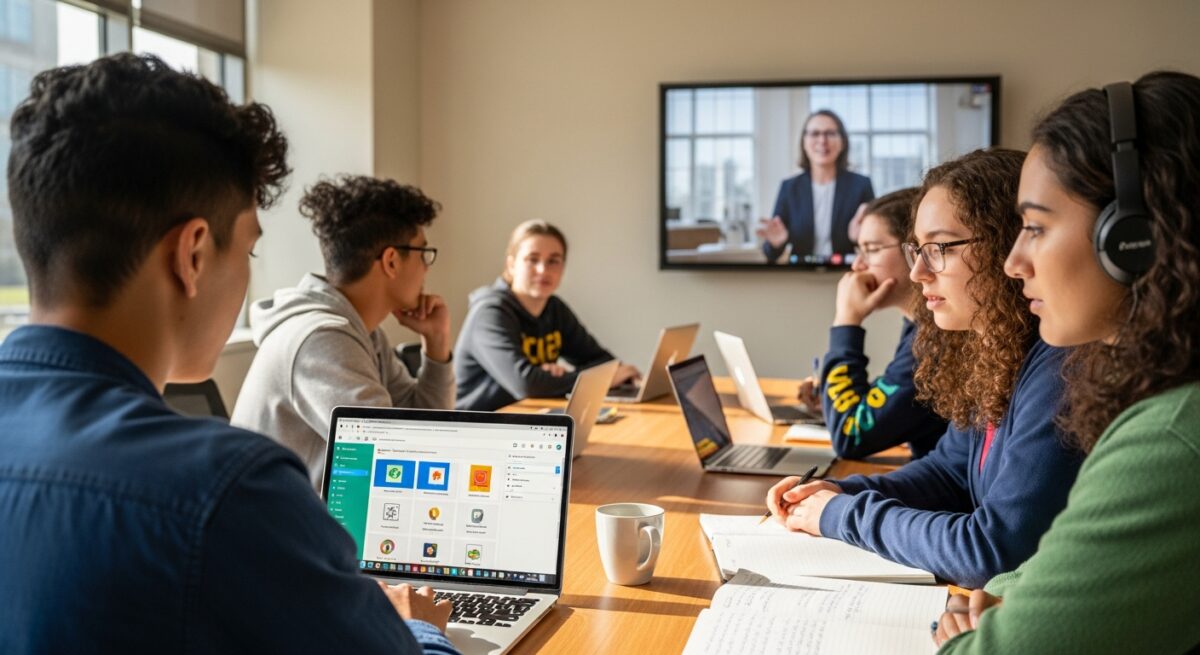
At the heart of every virtual college is a learning management system (LMS), a centralized digital platform where courses are hosted, assignments are submitted, and grades are tracked. Popular systems like Canvas, Blackboard, and Moodle provide the structural backbone for course delivery. These platforms allow instructors to upload lecture videos, create discussion forums, administer quizzes, and provide feedback on student work. Students access everything through a single login portal, making it easy to manage their entire academic workload from one location.
The technology infrastructure extends beyond the LMS to include video conferencing tools, virtual laboratories, and digital libraries. Many online colleges partner with major publishers to provide e-textbooks and supplemental resources at reduced costs. For science and engineering programs, virtual labs simulate real experiments, allowing students to manipulate variables and observe outcomes without needing physical lab space. These technological investments ensure that online students receive a comprehensive educational experience that mirrors, and in some cases exceeds, what is available on campus.
How Online Courses Are Structured
Online courses typically follow one of three formats: fully asynchronous, fully synchronous, or a blended model known as hybrid. Asynchronous courses allow students to access recorded lectures, readings, and assignments at any time, making them ideal for working professionals or parents with unpredictable schedules. Synchronous courses require students to log in at specific times for live lectures, discussions, and group activities, fostering a sense of community and immediate feedback. Most virtual colleges use a hybrid model, blending recorded content with weekly live sessions to balance flexibility with interaction.
Course pacing varies by institution. Some virtual colleges offer accelerated eight-week terms, allowing students to complete more courses per year and graduate faster. Others follow traditional semester schedules. Regardless of pacing, each course is carefully designed with clear learning objectives, weekly modules, and regular assessments. Instructors provide detailed syllabi at the start of each term, outlining deadlines, grading rubrics, and communication policies. This structure helps students stay organized and accountable, even without the physical cues of a traditional classroom.
Assessment methods in virtual colleges are diverse and often more practical than traditional exams. Students might submit video presentations, participate in online debates, complete project-based assignments, or compile digital portfolios. Proctored exams are still common, but they are typically administered through remote proctoring software that monitors students via webcam to ensure academic integrity. Some programs also require in-person proctoring at local testing centers for certain high-stakes assessments.
Student Support Services in Online Colleges
One common concern about virtual colleges is whether students receive adequate support. In reality, many online institutions invest heavily in support services designed specifically for remote learners. Academic advising, tutoring, career counseling, and library services are all available digitally. Students can schedule video appointments with advisors, access 24/7 tutoring through online platforms, and use virtual career centers to prepare resumes and practice interviews.
Technical support is another critical component. Most virtual colleges have dedicated IT help desks that assist with login issues, software problems, and connectivity challenges. Many also provide orientation courses that teach students how to navigate the LMS, use online research databases, and manage their time effectively. These resources are especially valuable for first-time online learners who may need help adjusting to the self-directed nature of digital education.
To understand the full scope of how these systems function together, it helps to examine how online learning works in universities across different institutional models. This resource provides deeper insight into the operational frameworks that make virtual colleges effective.
Key Benefits of Attending a Virtual College
Choosing a virtual college offers several distinct advantages over traditional campus-based education. The most obvious benefit is flexibility, but there are other significant factors to consider:
- Lower total costs: Online programs often have reduced tuition rates, and students save on housing, transportation, and meal plans. Many virtual colleges also offer digital textbooks and resources at lower prices.
- Geographic independence: Students can enroll in the best program for their field of study without relocating. This is especially valuable for specialized degrees that may not be available locally.
- Self-paced learning options: Some virtual colleges allow students to accelerate their progress by taking additional courses each term or slowing down when needed without penalty.
- Career advancement opportunities: Many online students can continue working full-time while studying, applying new knowledge directly to their jobs and avoiding income loss.
These benefits make virtual colleges an attractive option for non-traditional students, including working adults, military personnel, and parents. However, the success of online learning ultimately depends on the student’s ability to stay motivated and organized without the structure of a physical classroom.
Accreditation and Quality Assurance
Not all virtual colleges are created equal. Accreditation is the single most important factor to consider when evaluating an online program. Regional accreditation, which is the gold standard in American higher education, ensures that an institution meets rigorous academic standards. Credits earned at regionally accredited virtual colleges transfer easily to other institutions, and degrees from these schools are recognized by employers and graduate programs.

Prospective students should verify accreditation through the Council for Higher Education Accreditation (CHEA) or the U.S. Department of Education’s database. Beware of diploma mills, which offer degrees with little to no academic work required and lack legitimate accreditation. These institutions often use names that sound similar to reputable colleges and may promise quick degrees for a flat fee. Always research thoroughly before enrolling.
Many reputable virtual colleges also hold program-specific accreditations for fields like business, nursing, engineering, and education. These specialized accreditations add another layer of quality assurance and are often required for professional licensure. For example, an online nursing program should be accredited by the Commission on Collegiate Nursing Education (CCNE) or the Accreditation Commission for Education in Nursing (ACEN).
Financial Aid and Affordability
Virtual colleges are eligible for federal financial aid, including Pell Grants, student loans, and work-study programs, provided they are accredited and participate in Title IV programs. Students complete the Free Application for Federal Student Aid (FAFSA) just as they would for a traditional college. Many online institutions also offer institutional scholarships, military benefits, and employer tuition reimbursement programs.
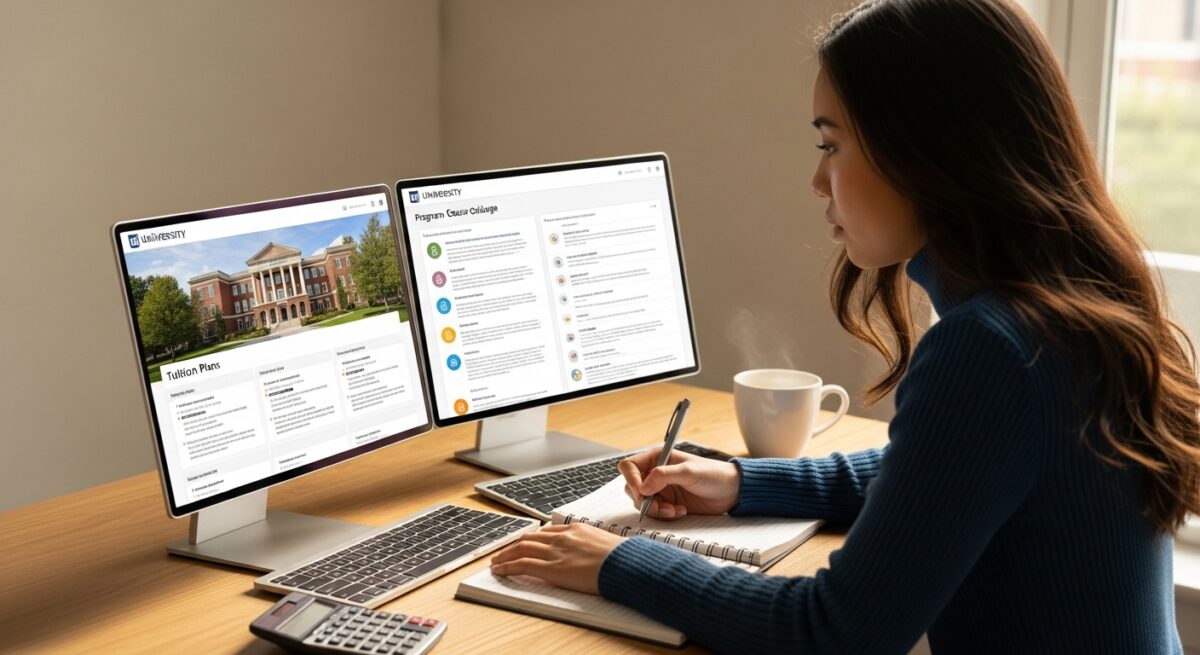
When comparing costs, look beyond tuition to consider fees. Some virtual colleges charge technology fees, online course fees, or out-of-state tuition for non-residents. Others offer flat-rate tuition regardless of location, which can be more affordable for out-of-state students. Always request a detailed cost breakdown before committing to a program. Additionally, many employers offer tuition assistance programs that can significantly reduce out-of-pocket expenses for working students.
For students seeking additional funding, exploring resources like scholarship opportunities can help offset the cost of tuition and reduce reliance on student loans. Combining scholarships with federal aid and employer benefits can make virtual college surprisingly affordable.
Frequently Asked Questions
How much time do online courses require each week?
Most online courses require 8 to 12 hours of work per week per course, including watching lectures, completing readings, participating in discussions, and working on assignments. This is similar to traditional courses, though the time is more flexible in how it is distributed throughout the week.
Can I transfer credits from a virtual college to another school?
Yes, as long as the virtual college is regionally accredited. Transfer policies vary by institution, but credits from accredited online programs are generally accepted. Always check with the receiving school before enrolling to confirm transferability.
Are degrees from virtual colleges respected by employers?
Employers increasingly recognize and respect degrees from accredited virtual colleges, especially from well-known institutions. The key factor is accreditation, not the delivery method. Many employers now value the self-discipline and time management skills that online graduates demonstrate.
Do I need special technology to attend a virtual college?
Most virtual colleges require a reliable computer with a webcam, a high-speed internet connection, and basic software like word processing and spreadsheet programs. Some programs may have additional requirements for specialized software or hardware. Check the technology requirements before enrolling.
How do I stay motivated in an online program?
Set a consistent study schedule, create a dedicated workspace, and actively participate in discussion forums and group projects. Many students find that connecting with classmates through social media or study groups helps maintain motivation. Most virtual colleges also offer counseling and academic coaching to support student success.
Making the Right Choice for Your Future
Virtual colleges have evolved into robust educational institutions that offer legitimate, high-quality degrees to students around the world. The key to success lies in choosing an accredited program that aligns with your career goals, learning style, and personal circumstances. Whether you are pursuing a bachelor’s degree in business, a master’s in nursing, or a certificate in data science, online learning provides a flexible and affordable path to achieving your educational aspirations. By understanding how virtual colleges operate and what support systems are available, you can make an informed decision that sets you up for academic and professional success.
About the Author: James Taylor