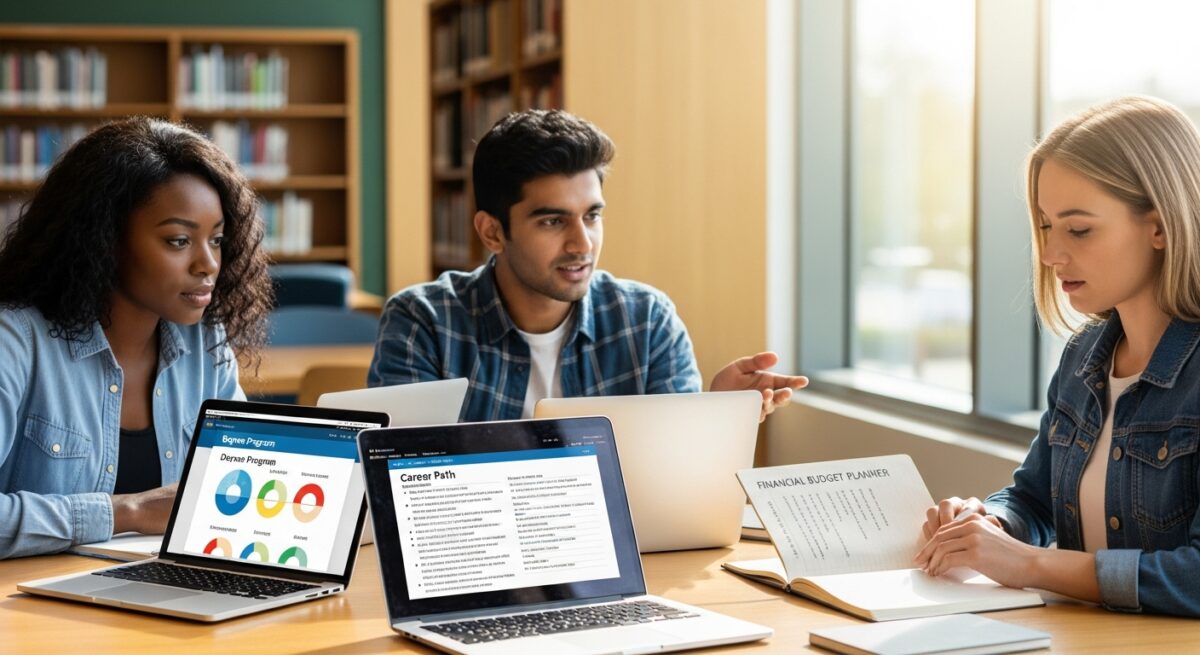
The decision to pursue a bachelor’s degree is a major life milestone. For many, the traditional path of attending classes on a physical campus is not the most practical or affordable option. This is where online undergraduate degree programs have transformed higher education. They offer a flexible, accessible, and often more cost-effective route to earning a respected credential. Whether you are a working professional, a parent with family responsibilities, or someone living in a rural area, the ability to earn your degree from home has opened doors that were previously closed. The key is understanding how these programs work, what to look for, and how to ensure you choose a path that leads to real career value without unnecessary debt.
Today’s online bachelor’s degree programs are not the simple correspondence courses of the past. They are robust, interactive, and often taught by the same faculty who teach on campus. Institutions have invested heavily in learning management systems, virtual labs, and collaborative tools to create an engaging educational experience. For students and families focused on college affordability, these online options can significantly reduce costs associated with room and board, commuting, and campus fees. As you explore your options, you will find that the landscape of higher education has shifted, making a quality degree more accessible than ever before.
Why Choose an Online Bachelor’s Degree Program?
The primary driver for many students is flexibility. Online undergraduate degree courses allow you to study when and where it fits your schedule. This is a game-changer for those balancing a job, family, or other commitments. Instead of being tied to a rigid class schedule, you can often watch lectures in the evening, complete assignments on weekends, and participate in discussion forums on your own time. This autonomy does not mean you are alone. Most programs provide robust support systems, including academic advisors, online tutoring, and technical support teams.
Beyond flexibility, there is a significant financial advantage. When you enroll in an online bachelor’s degree program, you typically pay per credit hour rather than a flat semester fee that includes campus amenities. You also eliminate major expenses like a meal plan, a dormitory room, and a daily commute. For many families, this makes the difference between taking out large student loans and graduating with manageable debt or no debt at all. It is a strategic way to invest in your future without sacrificing your current financial stability. Many students find that they can continue working full-time while studying, which allows them to pay for their education as they go.
Key Features of Quality Online Programs
Not all online undergraduate degree programs are created equal. To ensure you are making a worthwhile investment, you need to evaluate specific characteristics. The most critical factor is accreditation. A degree from a regionally accredited institution is recognized by employers and other schools. It ensures that the curriculum meets rigorous academic standards. You should always verify the accreditation status of any school you are considering.
Another important feature is the level of student support. A quality program will offer more than just recorded lectures. Look for programs that provide live virtual office hours, interactive discussion boards, and group projects that mimic real-world collaboration. The technology platform should be intuitive and reliable. Before enrolling, ask about the student-to-faculty ratio and how quickly professors respond to questions. The goal is to find a program that feels connected, not isolating. As you evaluate different options, you can use resources like this dedicated platform for degree information to compare features and find programs that match your needs.
When researching, there are several specific elements to look for in a strong program:
- Accreditation: Ensure the school holds regional accreditation from a recognized accrediting body. This is non-negotiable for degree validity.
- Faculty Credentials: Check that instructors hold advanced degrees and have experience in their field. Adjunct faculty from industry can be a plus.
- Student Support Services: Look for dedicated career counseling, academic advising, and technical support available during extended hours.
- Transfer Policies: If you have previous college credits, understand how they will transfer. A generous transfer policy can save you time and money.
- Graduation and Job Placement Rates: Ask for data on how many students graduate and how many find jobs in their field within a year of graduation.
These factors will help you distinguish between a program that is simply a collection of online videos and one that offers a genuine, supportive educational experience. Remember that the cheapest option is not always the best value. You are looking for a balance of cost, quality, and support that aligns with your personal and professional goals.
Common Fields of Study and Career Paths
Online undergraduate degree programs now cover virtually every field of study you can find on a traditional campus. Business administration, nursing, computer science, psychology, criminal justice, and education are among the most popular. The breadth of options means you can pursue a career in high-demand fields without relocating or quitting your job. For example, a student interested in healthcare might pursue an online RN-to-BSN program to advance their nursing career. Meanwhile, someone interested in technology could earn a degree in cybersecurity or data analytics entirely online.
The career outcomes for graduates of online bachelor’s degree programs are often comparable to those of their on-campus peers. Employers today are far more accepting of online degrees, especially from well-known, accredited institutions. Many companies actively recruit from online programs because they know these graduates often possess strong time-management skills and self-discipline. When you complete an online program, you demonstrate that you can work independently, meet deadlines, and use digital tools effectively. These are all highly valued competencies in the modern workplace. The key is to choose a program that offers relevant coursework and opportunities for internships or practical projects, even if they are completed virtually.

How to Finance Your Online Degree Affordably
Cost remains a central concern for most students. While online programs are often cheaper than on-campus alternatives, you still need a plan to pay for tuition and fees. The first step is always to fill out the Free Application for Federal Student Aid (FAFSA). This determines your eligibility for federal grants, work-study programs, and student loans. Many online students qualify for Pell Grants, which are need-based and do not need to be repaid. You should also apply for scholarships specifically for online or adult learners. Many schools and private organizations offer these awards.
Another powerful strategy is to take advantage of employer tuition reimbursement programs. Many companies offer to pay for part or all of an employee’s education, especially if the degree is related to their current role. This is an often-overlooked benefit that can dramatically reduce your out-of-pocket costs. For those looking to maximize value, it is wise to explore our complete guide to online undergraduate degree programs which details how to compare costs and find hidden savings. By combining federal aid, scholarships, and employer benefits, many students can graduate with little to no debt.
If you need to borrow, prioritize federal student loans over private loans. Federal loans offer fixed interest rates and income-driven repayment plans. They also provide options for loan forgiveness under certain circumstances. Private loans should be a last resort. A solid financial plan will allow you to focus on your studies without the constant stress of mounting bills. Remember that an affordable education is not just about the lowest sticker price. It is about finding a program that fits your budget and offers a strong return on investment through good career outcomes.
Frequently Asked Questions
Are online degrees respected by employers?
Yes, online degrees from regionally accredited institutions are widely respected by employers. The key is the accreditation of the school, not the delivery method. Many top universities now offer online programs, and their graduates are recruited by major companies.
How long does it take to complete an online bachelor’s degree?
Most programs require 120 credit hours and take about four years of full-time study. However, many online programs offer accelerated formats. Students can take heavier course loads or use transfer credits to finish in two to three years. Part-time students may take five to six years.
Can I get financial aid for online undergraduate degree programs?
Absolutely. Students enrolled in accredited online programs are eligible for the same federal financial aid as on-campus students. This includes grants, loans, and work-study opportunities. You must complete the FAFSA to qualify.
What technology do I need to succeed in an online program?
You will need a reliable computer with a webcam, a high-speed internet connection, and basic software like a word processor. Most programs have specific technical requirements listed on their website. Some may require specific software for certain courses.
Is it hard to stay motivated in an online program?
Staying motivated can be a challenge, but it is manageable with the right strategies. Successful online students set a regular study schedule, create a dedicated workspace, and actively participate in discussion forums. Connecting with classmates and using campus support services also helps maintain momentum.
Choosing an online bachelor’s degree program is a significant decision that can reshape your future. The flexibility and affordability of these programs make them an excellent option for many students. By focusing on accreditation, support services, and a clear financial plan, you can find a path that leads to career advancement and personal growth without the burden of overwhelming debt. The opportunity to earn a respected degree from home has never been more accessible or more valuable.
About the Author: Rachel Adams