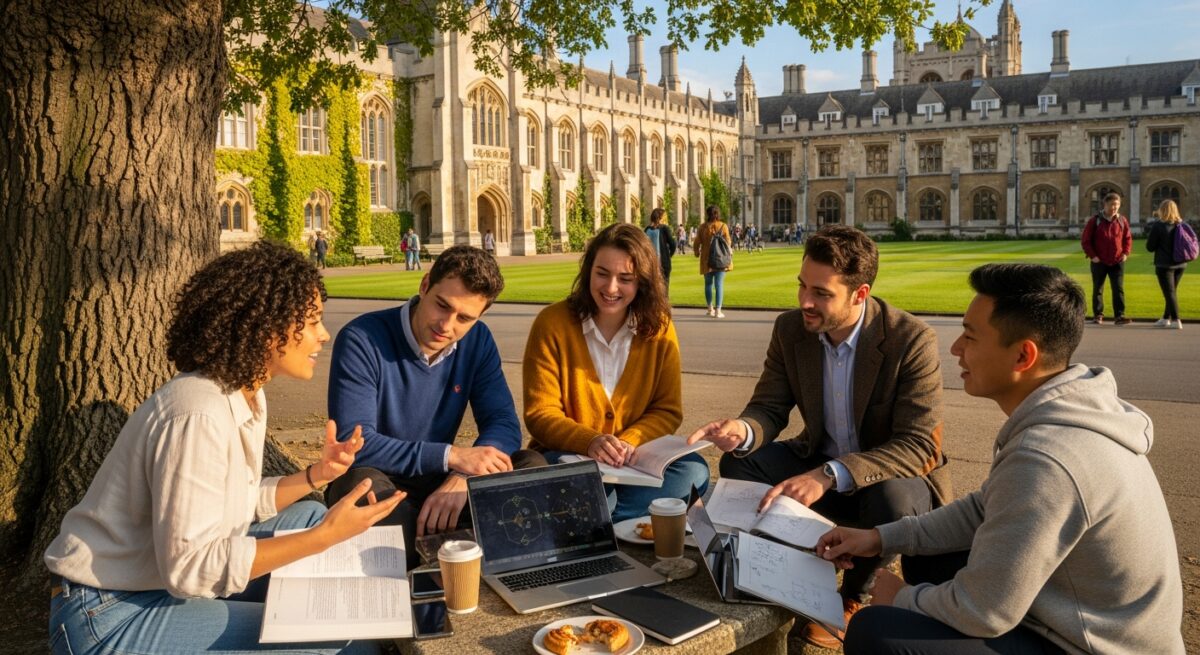
In an era dominated by digital learning platforms and virtual classrooms, the traditional model of campus-based education continues to hold a profound and irreplaceable role in the higher education landscape. While online degrees offer unprecedented flexibility, the immersive, holistic experience of attending a physical university provides a unique developmental crucible that shapes more than just academic understanding. It forges professional networks, builds interpersonal skills, and cultivates a sense of community and identity that often defines a person’s trajectory long after graduation. This deep, multifaceted engagement is the cornerstone of the traditional college experience, offering benefits that extend far beyond the lecture hall.
The Core Advantages of the Physical Campus Experience
Campus-based education is fundamentally about immersion. Students are not just logging into a course; they are inhabiting an ecosystem designed for intellectual, social, and personal growth. This environment facilitates spontaneous learning moments in dormitory common rooms, research labs, and campus quads that are difficult to replicate digitally. The structured routine of attending classes, meeting with professors during office hours, and collaborating with peers on group projects in a library creates a discipline and time-management framework that many students find essential for success. Furthermore, the campus acts as a microcosm of society, where students from diverse backgrounds live, learn, and debate together, developing crucial cultural competencies and empathy.
One of the most significant advantages lies in access to specialized, high-cost resources. From advanced scientific laboratories and performance arts theaters to extensive physical libraries and athletic facilities, campuses invest in infrastructure that enables hands-on, experiential learning. A biology student can conduct original research in a genetics lab; an engineering student can prototype in a machine shop; a fine arts student can rehearse in a professional-grade studio. This direct access is a primary differentiator, allowing for the application of theoretical knowledge in tangible, often transformative ways. The mentorship potential is also amplified, as faculty are physically present for guidance, research collaboration, and networking introductions that can launch careers.
Building Social Capital and Professional Networks
The relational component of campus life is arguably its most powerful and lasting benefit. The relationships formed during these years often become the foundation of a lifelong professional network and personal support system. Campus-based education naturally fosters these connections through shared experiences, from tackling difficult coursework to participating in extracurricular activities. Study groups evolve into professional contacts; club leadership builds management skills; casual conversations with professors can lead to research opportunities or letters of recommendation. The density of interaction on a campus accelerates the development of social capital, which is a critical asset in the job market and beyond.
This network-building extends into a robust alumni community. Graduates of campus-based programs often feel a strong, place-based connection to their alma mater, leading to active alumni associations that facilitate mentorship, job referrals, and industry connections. An on-campus career fair is a direct pipeline to employers who specifically seek out graduates from that institution. The intangible sense of belonging and shared identity can open doors long after graduation, providing a professional advantage that is deeply intertwined with the physical experience of having been part of that specific campus community.
Navigating Cost and Accessibility Considerations
The value proposition of campus-based education is undeniable, but it is also accompanied by significant financial and logistical considerations. Tuition, room and board, textbooks, and ancillary fees can create a substantial financial burden. For many students and families, this requires careful planning, budgeting, and active pursuit of funding sources. It is essential to view the cost not merely as paying for classes, but as an investment in the entire developmental ecosystem, which includes housing, health services, counseling, career centers, and the social and networking infrastructure. To manage these expenses, prospective students should thoroughly investigate all available financial aid options, including federal and state grants, work-study programs, and institutional scholarships.
A proactive approach to funding is critical. This involves filling out the FAFSA (Free Application for Federal Student Aid) early, researching scholarships specific to your field of study, demographic, or extracurricular achievements, and understanding the long-term implications of student loans. Many universities also offer payment plans to spread costs across the semester. For comprehensive guidance on navigating this complex landscape, exploring dedicated Scholarship & Financial Aid Resources can be an invaluable first step in reducing the overall financial pressure of a campus degree.
A Comparative Framework: Campus, Online, and Hybrid Models
The decision between campus-based, fully online, or hybrid education is not about choosing the objectively “best” format, but rather identifying the model that best aligns with an individual’s learning style, life circumstances, and professional goals. Each model serves different needs and intents. To clarify this choice, consider the following key differentiators:
- Learning Environment & Discipline: Campus learning offers a structured, immersive environment ideal for those who thrive on routine and in-person interaction. Online learning demands high levels of self-discipline and time management in a more isolated setting.
- Resource Access & Experience: Campuses provide direct, hands-on access to labs, studios, libraries, and performance spaces. Online programs excel in delivering digital content and fostering asynchronous discussion but cannot replicate physical resource access.
- Networking & Community Building: The campus is unparalleled for organic, deep relationship building and localized alumni networks. Online programs create communities of practice that are geographically dispersed and often more focused on specific course content.
- Flexibility & Life Integration: Online education wins on flexibility, allowing learners to balance studies with full-time work or family obligations. Campus programs require a more significant life rearrangement but offer a dedicated “time-out” for focused growth.
- Total Cost of Attendance: Campus programs often have higher direct costs (tuition, housing, relocation). Online programs may have lower tuition and no relocation costs but require learners to forgo the full campus experience.
For many, a hybrid or blended approach is emerging as a powerful middle path. This model combines scheduled on-campus intensives, such as weekend workshops or summer labs, with online coursework during the regular term. It allows students to build meaningful in-person connections and access specialized facilities while maintaining a higher degree of geographical and scheduling flexibility than a full-time campus program. This model is particularly popular in graduate and professional programs, where students are often already established in careers.
The Irreplaceable Elements of Personal Development
Beyond academics and networking, campus-based education serves as a critical venue for psychosocial development during late adolescence and early adulthood. Living independently, managing conflicts with roommates, navigating a complex social landscape, and taking responsibility for one’s daily schedule are formative experiences that build resilience, self-awareness, and emotional intelligence. The process of engaging with diverse viewpoints in classroom debates, student government, or cultural organizations challenges preconceptions and fosters critical thinking in a way that is both profound and personal. These soft skills, including adaptability, communication, and leadership, are consistently ranked by employers as among the most desirable in graduates.
The campus environment also provides a structured space for identity exploration. Away from the familiar contexts of home and family, students have the freedom to experiment with new ideas, interests, and social roles. They join clubs, attend guest lectures on unfamiliar topics, volunteer in the local community, and perhaps even change their major after discovering a unexpected passion. This period of exploration, supported by academic advisors, counseling centers, and a peer group undergoing similar transitions, is a unique benefit of the residential college experience. It is a time dedicated not just to career preparation, but to becoming a well-rounded, engaged, and self-directed individual.
The enduring power of campus-based education lies in its holistic approach. It recognizes that education is not merely the transfer of information, but the cultivation of a person. While digital learning methods will continue to evolve and expand access in vital ways, the physical campus remains a uniquely effective environment for integrating intellectual rigor with social development, personal growth, and professional foundation building. For those who can access it, the journey through a campus-based program offers a transformative rite of passage whose value resonates across a lifetime, proving that the most important lessons are often learned outside the syllabus.
About the Author: Rachel Adams