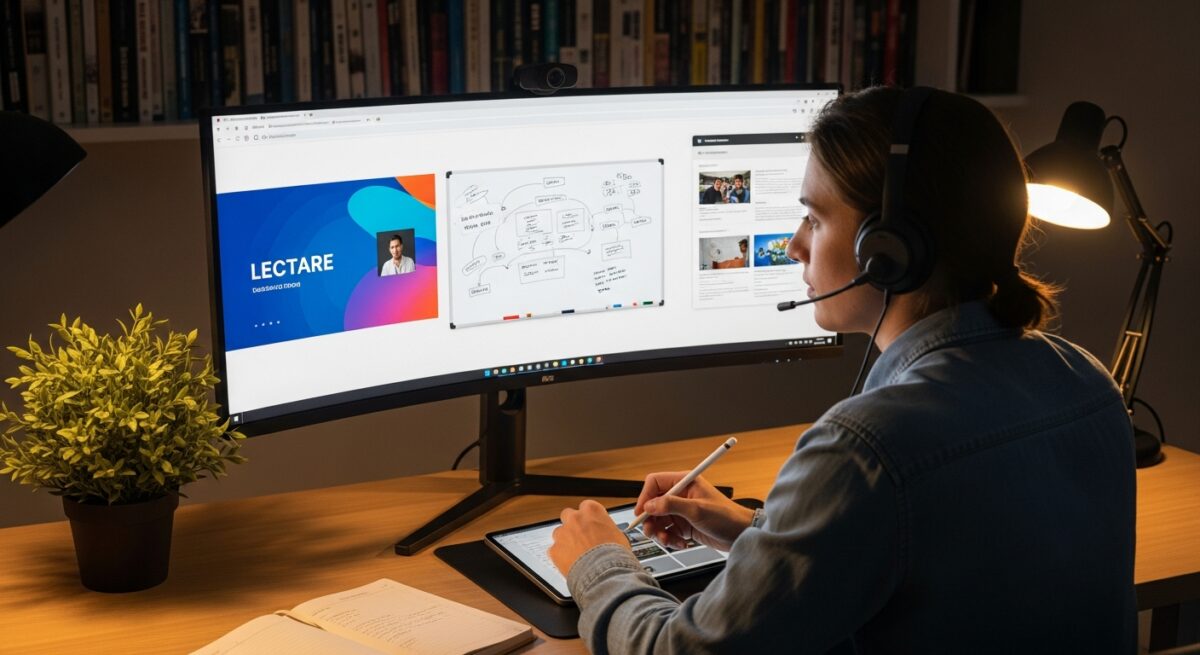
The lecture hall is now a browser tab. The library, a digital repository. The campus coffee shop chat, a breakout room. University remote learning has evolved from an emergency stopgap into a permanent, powerful pillar of higher education. For students and institutions alike, this shift represents not just a change of venue, but a fundamental transformation in how knowledge is acquired, delivered, and engaged with. Success in this environment demands more than a reliable internet connection; it requires a deliberate strategy, new skills, and a clear understanding of how to thrive when your university comes to you.
The Evolving Landscape of Digital Higher Education
The initial wave of remote learning was defined by necessity, often replicating in-person classes through video feeds with varying degrees of effectiveness. Today, the paradigm has matured. Forward-thinking universities are designing programs specifically for the digital space, leveraging pedagogical approaches that maximize engagement and outcomes. This evolution means that remote learning is no longer a diluted version of the on-campus experience but a distinct modality with its own strengths and methodologies. Courses are built with asynchronous and synchronous elements, interactive platforms, and multimedia resources that can, in some cases, offer a richer and more flexible learning environment than traditional settings. The key for students is to approach these programs not as passive viewers but as active architects of their educational journey.
Cultivating the Mindset and Environment for Success
Academic achievement in a remote setting begins long before you log into a lecture. It starts with cultivating the right mindset and curating a physical and mental space conducive to deep work. The blurred lines between home and school present a significant challenge, making intentionality paramount. Students must transition from a “home” self to a “student” self, a psychological shift that physical routines and dedicated spaces can powerfully reinforce. This involves setting clear boundaries with housemates or family, establishing a consistent daily schedule that mirrors a structured academic day, and dressing as if you were attending class in person. This isn’t about formality; it’s about signaling to your brain that it’s time for focused, professional-level engagement.
Beyond mindset, the physical workspace is critical. Your study environment should be consistently used for academic work, minimizing distractions and equipped with the necessary technology. Ergonomics matter for those long study sessions, and reliable tech is non-negotiable. Crucially, success in remote learning hinges on exceptional self-management skills. These encompass time management, task prioritization, and proactive communication. Without the physical reminders of a campus walk or a professor’s office hours, the onus is on the student to structure their week, break down large assignments, and reach out for help early. Developing these skills is arguably one of the most valuable lifelong benefits of a remote learning experience. For insights into adapting to this new academic rhythm, our exploration of the 7 changes to expect from remote learning outlines the key shifts in student responsibility and routine.
Mastering Engagement in a Virtual Classroom
Active participation looks different online. It requires more conscious effort but yields substantial rewards in comprehension and connection. During synchronous sessions, engagement means having your camera on when possible, using the chat function thoughtfully to ask questions, and contributing to discussions verbally. It involves treating the virtual classroom with the same respect as a physical one: minimizing multitasking, muting your microphone when not speaking, and being fully present. Asynchronous engagement is equally vital. This means not just watching recorded lectures, but interacting with them: pausing to take notes, completing embedded quizzes, and participating actively on discussion boards by posting substantive responses that build on classmates’ ideas rather than simply agreeing with them.
The most successful remote learners view their professors and peers as an accessible network, not distant entities. They schedule virtual office hours, form online study groups via platforms like Discord or Slack, and use collaborative tools for group projects. Building these connections combats isolation and creates a support system. It’s also important to understand the diverse tools at your disposal. From learning management systems (LMS) like Canvas or Blackboard to collaborative documents, simulation software, and virtual labs, proficiency with these platforms is part of the modern curriculum. Investing time in learning how to use them effectively will save time and reduce frustration throughout the semester.
Navigating Challenges and Maximizing Opportunities
University remote learning is not without its hurdles. Technical glitches, motivation slumps, feelings of isolation, and the potential for distraction are real concerns. Proactively addressing these challenges is a component of strategic success. For technical issues, having backup plans such as a mobile hotspot or knowing how to quickly access IT support is essential. To combat isolation, intentional social and academic outreach is necessary. Joining online university clubs, attending virtual events, and setting up regular check-ins with classmates can foster community. It is also valuable to be aware of the common pitfalls; understanding the biggest drawbacks of remote learning allows you to develop preemptive strategies to mitigate them.
However, the opportunities are profound. Remote learning offers unparalleled flexibility, allowing students to design study schedules around work, family, or other commitments. It opens access to top-tier programs regardless of geographic location and can significantly reduce costs associated with commuting and housing. This financial aspect is a major consideration for many. The savings from remote learning can be substantial, and when combined with strategic financial planning, they can make a degree far more accessible. Students should actively explore all avenues for funding, including institutional aid, grants, and external scholarships. A valuable starting point for this search is the comprehensive Scholarship & Financial Aid Resources hub, which aggregates opportunities to help reduce the overall cost of education.
Choosing the Right Remote Learning Program
Not all remote programs are created equal. As you evaluate options, accreditation is the first and most critical filter. This ensures the institution meets rigorous educational standards and that your degree will be recognized by employers and other universities. Beyond that, consider the program’s design. Is it built for online delivery from the ground up, or is it an adapted on-campus course? Look for indicators of quality such as faculty trained in online pedagogy, robust student support services (including academic advising, career services, and tech support tailored for remote learners), and interactive, well-structured course materials.
Key factors to investigate before enrolling include:
- Technology Requirements & Support: Specific software, hardware, and internet speed needed, and the IT helpdesk availability.
- Student Engagement Model: The balance of live vs. recorded content, expectations for participation, and group work.
- Assessment Methods: How learning is evaluated (proctored exams, projects, discussions) and academic integrity policies.
- Career Services: Whether the institution provides virtual career coaching, networking events, and internship placement for remote students.
Taking the time to research these elements will ensure you select a program that provides a supportive, engaging, and reputable educational experience, setting the stage for both academic and professional success in a digitally-connected world.
University remote learning, when approached with strategy and intentionality, is more than a convenient alternative; it is a rigorous and rewarding pathway to a degree. It demands discipline, technological literacy, and proactive engagement, but in return, it offers flexibility, broadened access, and the development of precisely the self-directed skills that define the 21st-century workplace. By mastering your environment, engaging deeply with the virtual classroom, and strategically selecting your program, you can transform the digital lecture hall into a powerful engine for your academic and future professional achievements.
About the Author: Andrew Wilson