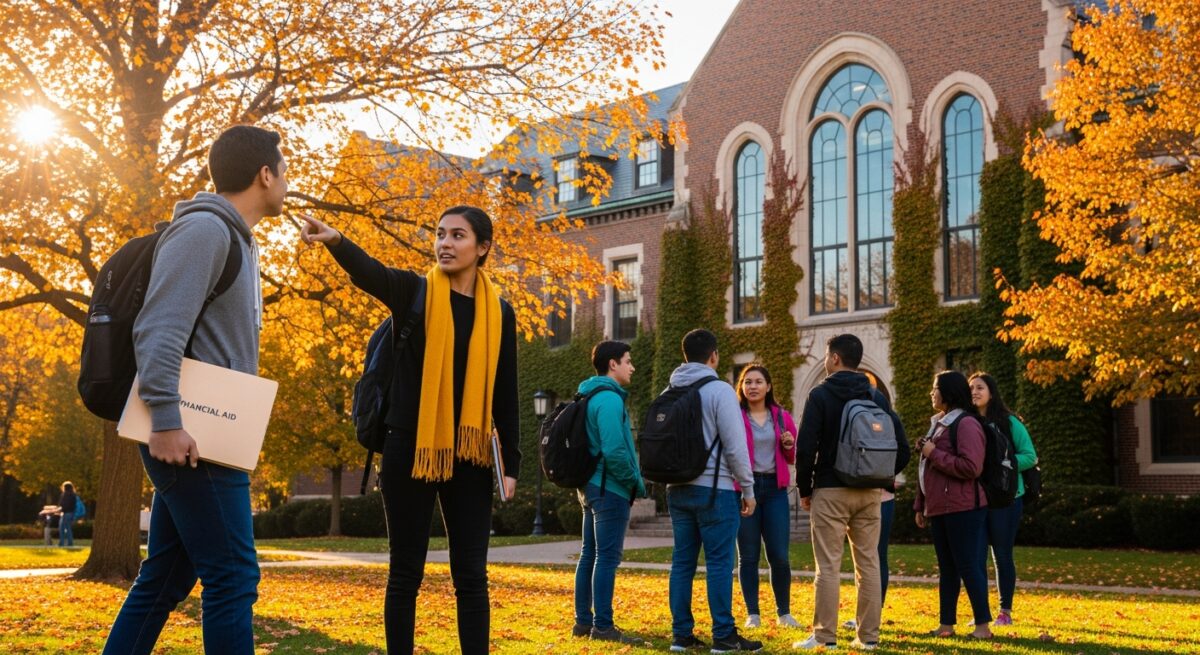
Rising tuition costs have made headlines for years, but the path to an affordable degree still exists. Many students assume that a low price tag means lower quality, but that is not the case. Public colleges and universities across the United States offer rigorous academics, strong career outcomes, and tuition rates that are a fraction of private institutions. This guide to the cheapest public colleges and universities will help you find schools that fit your budget without sacrificing your educational goals.
The key is knowing where to look and what factors drive down costs. In-state tuition at a public university is almost always cheaper than out-of-state or private tuition. Some states have policies that freeze tuition for several years, while others offer significant scholarships to local residents. By focusing on affordable state universities and understanding the full cost of attendance, you can graduate with little to no debt.
If you are open to online learning, the savings can be even greater. Many public universities now offer fully online programs at reduced rates. In our guide on cheapest online colleges and universities, we explain how to evaluate these options for maximum value. Below, we break down the most affordable public institutions, strategies for reducing costs, and common questions about financing your education.
What Makes a Public College Affordable?
Affordability is not just about the sticker price. The cheapest public universities often combine low tuition with generous financial aid packages. Some schools have endowments that fund scholarships for in-state students, while others participate in federal programs that reduce the net price for low-income families. When evaluating cheap public colleges, consider these factors:
- In-state vs. out-of-state tuition: Public universities receive state funding, which keeps costs low for residents. Out-of-state rates can be two to three times higher.
- Tuition freezes and caps: Some states have policies that limit annual tuition increases, providing predictability for families.
- Fee structures: Some schools bundle fees into tuition, while others add separate charges for labs, technology, and student services.
- Room and board: Living on campus can be expensive. Commuting or choosing a school in a low-cost area reduces total expenses.
Net price calculators on college websites give a personalized estimate based on your family income. Use these tools early in your search. The difference between the listed price and what you actually pay can be substantial, especially at schools with strong need-based aid programs.
Top Affordable State Universities by Region
Every state has at least a few public colleges that offer exceptional value. The schools listed below are known for low tuition rates and strong academic programs. Remember that tuition data changes annually, so always verify current figures on the university’s website.
Southeast Region
Florida has a reputation for affordable higher education. The University of Florida and Florida State University charge around $6,400 per year for in-state students. The University of North Carolina at Chapel Hill is similarly priced for residents, with tuition near $7,000 annually. These schools rank among the best values in the country.
Georgia also offers low rates. The University of Georgia and Georgia Tech have in-state tuition under $10,000 per year. Georgia’s HOPE Scholarship program further reduces costs for students who maintain a B average in high school.
Midwest Region
The Midwest is home to some of the cheapest public colleges in the nation. The University of Illinois at Urbana-Champaign charges about $12,000 for in-state students, but many smaller schools are even more affordable. For example, the University of Wisconsin at Platteville and the University of Minnesota at Morris have tuition below $10,000.
Ohio State University and the University of Michigan are more expensive for out-of-state students, but Michigan residents pay around $15,000 per year. The key is to look beyond flagship campuses. Regional public universities in the Midwest often have lower tuition and smaller class sizes.
Southwest Region
Texas has a strong network of affordable public universities. Texas A&M University and the University of Texas at Austin charge approximately $11,000 for in-state tuition. However, schools like Texas State University and the University of Texas at El Paso offer rates closer to $8,000 per year. Arizona State University and the University of Arizona have similar pricing for residents.
New Mexico and Oklahoma also provide low-cost options. The University of New Mexico has in-state tuition around $7,500, while Oklahoma State University charges about $9,000 for residents.
West Coast Region
California’s public universities are famous for their value. The California State University (CSU) system charges about $5,700 per year for in-state students. Campuses like San Diego State University and California State University, Long Beach offer strong programs at this low rate. The University of California (UC) system is more expensive, with tuition near $13,000, but generous financial aid often brings the net price down.
Washington and Oregon have slightly higher rates. The University of Washington charges about $11,000 for residents, while Oregon State University is around $10,000. Students in these states should also explore community college transfer pathways to save on the first two years.

Strategies to Lower Your Cost Further
Even at the cheapest public universities, you can reduce expenses with a few smart strategies. Start by applying for federal financial aid using the FAFSA. Many students overlook this step, assuming they won’t qualify, but the FAFSA opens doors to grants, work-study, and low-interest loans.
Scholarships are another critical tool. Thousands of scholarships are available specifically for students attending public universities. Some are based on academic merit, while others consider financial need, community service, or intended major. You can explore opportunities through the Scholarship Education platform to find awards that match your profile.
Consider starting at a community college. Many states have guaranteed transfer agreements that allow you to complete general education requirements at a lower cost and then transfer to a four-year public university. This path can cut your total tuition by thousands of dollars.
Living at home while attending college is another effective cost-saving measure. If you live within commuting distance of a public university, you can avoid room and board fees entirely. Some schools also offer tuition discounts for students who live with their parents.
Online Programs from Public Universities
Online education has exploded in popularity, and public universities are leading the charge. Many offer fully online bachelor’s and master’s degrees at the same low in-state tuition rate, regardless of where you live. This means you can attend a cheap public college in Florida while living in California, paying the in-state price.
Some of the most affordable online programs come from schools like the University of Florida Online, Arizona State University Online, and Southern New Hampshire University (though SNHU is private). Public universities with strong online offerings include the University of Massachusetts Global and Colorado State University Global. These programs are designed for working adults and often have flexible scheduling.
Before enrolling, verify that the program is accredited and that the degree will be recognized by employers in your field. Also check whether the university charges any additional fees for online courses. Some schools bundle technology fees into the tuition, while others add them separately.
Frequently Asked Questions
What is the cheapest public university in the United States?
The lowest tuition rates are often found at regional public universities in states like Florida, Texas, and California. For example, California State University campuses charge around $5,700 per year for in-state students. Some smaller public colleges in the Midwest also have tuition below $6,000.
Can out-of-state students get in-state tuition?
Yes, in some cases. Many public universities offer tuition waivers or reciprocity agreements for students from neighboring states. Some schools also provide merit-based scholarships that reduce out-of-state rates to near in-state levels. Check with the admissions office for specific policies.
Are cheap public colleges less prestigious?
Not at all. Many of the cheapest public universities are also top-ranked institutions. The University of Florida, University of North Carolina at Chapel Hill, and University of Texas at Austin are all affordable for in-state students and highly respected nationally.
How do I find the net price for a public college?
Use the net price calculator on the college’s website. You will need to enter information about your family’s income and assets. The calculator provides an estimate of what you will actually pay after grants and scholarships are applied.
Choosing the right college is one of the most important financial decisions you will make. The cheapest public colleges and universities offer a path to a quality education without overwhelming debt. By focusing on in-state schools, applying for financial aid, and exploring online options, you can earn a degree that sets you up for success. Start your research today and use the tools available on College & Tuition to compare costs, find scholarships, and connect with programs that fit your budget.
About the Author: Olivia Martin