
Career Colleges: Fast Track Programs for Career Success
Career colleges offer fast-track programs that deliver job-ready skills in under two years, leading to quicker employment and lower student debt.

By David Reynolds
In today’s fast-paced economy, the traditional four-year college path isn’t the only route to a stable, high-paying career. For many individuals, the immediate need is to gain marketable skills and enter the workforce quickly without accumulating excessive debt. This is where career colleges, with their focused, fast-track programs, offer a compelling alternative. These institutions are designed with a singular mission: to equip students with the specific, hands-on skills employers are actively seeking, often in less than two years. If your primary goal is career readiness and a swift transition into a professional role, understanding the landscape of career colleges and fast track programs for career success is a critical first step.
What Are Career Colleges and How Do They Work?
Career colleges, also known as vocational schools, trade schools, or technical colleges, are post-secondary institutions that provide specialized training for specific occupations. Unlike traditional liberal arts colleges that offer a broad education, career colleges concentrate on practical, industry-aligned skills. The core philosophy is direct and efficient: identify in-demand jobs, design a curriculum that teaches the exact competencies for those jobs, and deliver that training in a condensed timeframe. Programs are often developed in close consultation with industry advisors to ensure graduates are truly job-ready upon completion. This model creates a direct pipeline from the classroom to the workplace, which is a powerful draw for career-changers, veterans, recent high school graduates seeking a clear path, and adults looking to upskill without a lengthy commitment.
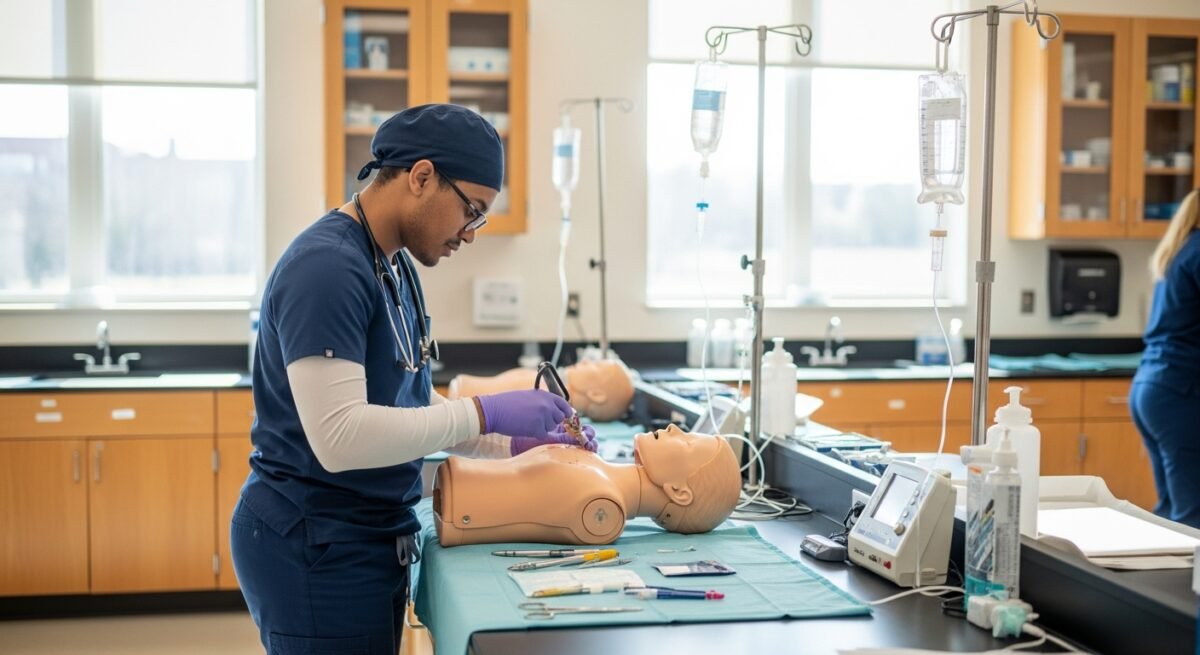
The structure of these programs is intentionally intensive. Students typically attend classes full-time, with schedules that may include evenings and weekends to accommodate working adults. The curriculum minimizes general education requirements, focusing instead on core technical courses and labs. For example, a medical assisting program will dive straight into anatomy, medical terminology, clinical procedures, and administrative software, bypassing unrelated humanities courses. This laser focus is what enables programs to be completed in months rather than years. Many career colleges also integrate externships, internships, or clinical rotations as a mandatory part of the program, providing that crucial real-world experience that employers value.
The Tangible Benefits of Choosing a Fast-Track Path
Opting for a career college program involves a significant investment of time, effort, and money. The decision is justified by a suite of concrete benefits that align with specific life and career goals. The most prominent advantage is speed to employment. While a bachelor’s degree traditionally takes four years, many career college diplomas or associate degrees can be completed in 9 to 24 months. This means you can start earning a professional salary and building seniority years ahead of peers on a traditional track. This accelerated timeline also translates to lower overall costs. Tuition is often less than that of a four-year university, and the shorter duration means less living expense debt and less time out of the full-time workforce.
Furthermore, the education is intensely practical. You spend your time learning skills you will use every day on the job, not theoretical concepts that may have limited application. This hands-on approach, often using industry-standard equipment and software, builds confidence and competence. Career services are another cornerstone of reputable career colleges. These departments are dedicated to helping students with resume writing, interview preparation, and job placement assistance, leveraging strong relationships with local employers. This support system is designed to bridge the gap between graduation and that first career-oriented position. For those exploring advanced specializations later, this foundational training can be an excellent springboard. As discussed in our analysis of high-demand graduate career paths, specialized technical skills are often the prerequisite for advanced study and leadership roles in fields like technology and healthcare.
Popular and High-Demand Career College Programs
The efficacy of a career college is directly tied to the market demand for its program graduates. Some fields are particularly well-suited to this educational model due to consistent growth, licensing requirements that align with specific training, and a skills gap that employers need to fill. When researching programs, it’s wise to prioritize those in sectors with strong job outlooks. Here is a look at some of the most popular and reliable career college pathways:
- Healthcare Support: This is arguably the largest sector for career colleges. Programs include Medical Assisting, Dental Assisting, Pharmacy Technician, Practical Nursing (LPN/LVN), Surgical Technology, and Medical Billing & Coding. An aging population ensures long-term demand for these roles.
- Information Technology & Cybersecurity: Fast-track programs in Network Support, Cybersecurity, Computer Programming, and Data Analytics provide the certifications and hands-on skills needed to enter the tech field quickly. These programs often prepare students for industry-recognized certifications from companies like Cisco, CompTIA, and Microsoft.
- Skilled Trades: There is a national shortage of skilled tradespeople. Programs in Electrical Technology, HVAC (Heating, Ventilation, and Air Conditioning), Welding, Plumbing, and Automotive Technology offer high earning potential and job security.
- Business & Legal Support: Court Reporting, Paralegal Studies, Accounting Technician, and Office Administration programs train students for essential roles in legal and corporate environments.
- Creative Fields: For those with artistic inclinations, focused programs in Graphic Design, Web Development, Culinary Arts, and Cosmetology/Esthetics provide a structured path to a creative career.
When evaluating any program, always cross-reference its claims with data from the U.S. Bureau of Labor Statistics’ Occupational Outlook Handbook. This will give you independent verification of job growth projections and median salaries for your chosen field.
Critical Steps for Choosing a Reputable Career College
Not all career colleges are created equal. The sector has, at times, been associated with predatory practices, making due diligence non-negotiable. Your research process should be thorough and focused on key indicators of quality and integrity. The single most important factor is accreditation. Ensure the institution is accredited by an agency recognized by the U.S. Department of Education. National accreditation is common for career-focused schools, but understand that credits from nationally accredited schools may not transfer to regionally accredited colleges (the standard for most traditional universities) if you plan to continue your education later.
Next, investigate outcomes. A transparent school will readily provide its graduation rates, job placement rates for graduates, and licensure exam pass rates (for fields like nursing or cosmetology). Be skeptical of any institution that cannot or will not share this data. It is also essential to understand the total cost of the program, including fees, books, and supplies, and to explore all financial aid options. Complete the Free Application for Federal Student Aid (FAFSA) to see if you qualify for federal grants or loans, which typically offer better terms than private loans. Always read the enrollment agreement carefully before signing. For a broader look at financing options across different educational models, a comprehensive student funding & tuition guide can be an invaluable resource.
Finally, visit the campus if possible, or take a virtual tour. Speak with current students and instructors. Sit in on a class to gauge the teaching style and facility quality. Ask admissions representatives direct questions about student support services, career assistance, and what happens if you need to pause your studies. This hands-on research will give you a feel for the institution’s culture and commitment to student success far beyond what a brochure can convey.
Answering Common Questions About Career Colleges
Prospective students often have specific concerns when considering this educational path. Addressing these frequently asked questions can provide clarity and confidence in the decision-making process.
Are career college degrees respected by employers?
Yes, when earned from an accredited institution with a good reputation. Employers in technical, healthcare, and trade fields primarily care about your skills, certifications, and ability to do the job. A graduate from a respected career college program who is proficient with the latest tools and protocols is often highly valued.
Can I transfer credits from a career college to a four-year university?
This can be challenging but is not impossible. Transferability depends heavily on the accreditation of the career college and the policies of the receiving university. If earning a bachelor’s degree is a long-term goal, discuss this plan with admissions counselors at both institutions before enrolling to understand potential credit pathways.
What is the difference between a certificate, a diploma, and an associate degree?
A certificate or diploma is awarded for completing a specific course of study, often taking less than a year. An Associate of Applied Science (AAS) degree is a two-year degree that includes the career training but also incorporates more general education courses (like math and English). The AAS may offer slightly more flexibility for credit transfer.
How do I avoid deceptive or predatory schools?
Red flags include high-pressure sales tactics, guarantees of employment or salaries, reluctance to discuss graduation rates, and confusing or opaque financial agreements. Always verify accreditation independently (don’t just take the school’s word for it) and read reviews from multiple sources, including the Better Business Bureau and state licensing boards.
Is financial aid available for career college programs?
Accredited career colleges are eligible to participate in federal financial aid programs. Students must complete the FAFSA to determine eligibility for Pell Grants, federal student loans, and other aid. Many schools also offer institutional scholarships or payment plans.
The landscape of higher education is diversifying to meet varied needs. Career colleges and their fast-track programs represent a vital segment of this ecosystem, offering a pragmatic, efficient, and targeted route to career success. By focusing on in-demand skills, providing hands-on experience, and facilitating a quick transition to the workforce, they fulfill a critical need for both students and the economy. The key to a positive outcome lies in informed choice: meticulous research, a clear understanding of your career goals, and a commitment to selecting a reputable institution that will serve as a true partner in your professional journey.