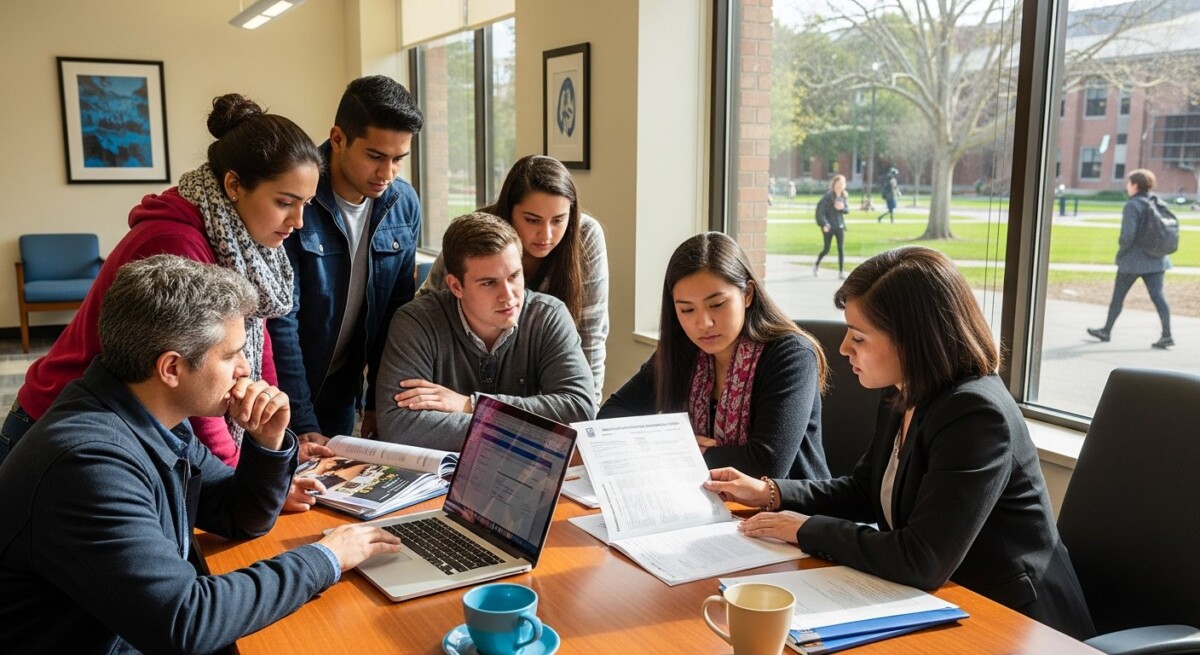
Graduate school can feel financially out of reach for many professionals, but the landscape of higher education has shifted dramatically. The rise of distance learning has opened doors to advanced study without the hefty price tag of traditional on-campus programs. Finding an affordable path requires more than just a quick search for low tuition. It demands a strategic approach that balances cost, quality, and career outcomes. Understanding how to identify genuine value in a sea of options is the first step toward earning a credential that pays for itself.
Many students assume that a low-cost degree means a lower quality education. This is a misconception that can lead to unnecessary debt. Numerous accredited universities now offer rigorous online programs at a fraction of the cost of their residential counterparts. These institutions have streamlined operations, passed savings to students, and focused on delivering excellent instruction through digital platforms. The key is knowing where to look and what questions to ask before you apply.
Understanding the True Cost of an Online Master’s Degree
The sticker price of a program is only one piece of the financial puzzle. When evaluating cheap online masters degrees, you must consider the total cost of attendance. This includes tuition, fees, textbooks, software, and any technology requirements. Some programs advertise low per-credit rates but pile on mandatory fees that erase the savings. Others include all materials in a flat rate, making budgeting much simpler.
Another critical factor is the residency requirement. Some online programs still require short on-campus visits for labs, orientations, or final presentations. These trips add travel and lodging expenses that can turn an affordable degree into a costly one. Look for programs that are fully online with no mandatory campus visits if you want to keep costs as low as possible. Also, consider the opportunity cost of your time. A self-paced program might allow you to work full-time while studying, which preserves your income and reduces the need for loans.
For those researching cheapest online masters options, it is wise to compare in-state versus out-of-state tuition policies. Many public universities now offer the same tuition rate for all online students, regardless of where they live. This can be a significant advantage if you find a strong program in a state where you do not reside. Always check the fine print on the university’s tuition page to confirm this policy.
Where to Find the Most Affordable Programs
Several types of institutions consistently offer some of the cheapest masters degree options online. Public universities, especially regional state schools, often have lower tuition rates than large research universities or private institutions. Community colleges that have partnered with four-year universities to offer bachelor’s-to-master’s pathways can also provide substantial savings.
Here are the most promising places to begin your search:
- Regional Public Universities: These schools focus on teaching rather than research, which often results in lower costs. They frequently offer in-state tuition to all online students.
- Competency-Based Programs: These innovative models charge a flat fee for a set period (often six months) rather than per credit. Students who work quickly can complete a master’s degree for a fraction of the traditional cost.
- Nonprofit Online Universities: Some established nonprofits have built their entire model around affordable, accessible online education. They are mission-driven to keep costs low.
- Employer Tuition Reimbursement Partners: Check if your employer has a list of preferred schools where they offer reduced tuition rates. These partnerships can dramatically lower your out-of-pocket expenses.
Once you have a list of potential schools, verify their accreditation status. Accreditation from a recognized agency is essential for the degree to be respected by employers and for your credits to transfer if needed. Regional accreditation is the gold standard in the United States. Never enroll in a program that lacks proper accreditation, no matter how low the price.
Another strategy for finding affordable masters degrees is to look for programs in high-demand fields that have a surplus of qualified instructors. Fields like education, social work, and public administration often have more affordable options than specialized areas like business or engineering. Additionally, many universities offer tuition discounts for military veterans, active-duty service members, and their spouses.
Financial Aid and Scholarship Opportunities
Even the cheapest online master’s degrees can benefit from financial aid. Fill out the Free Application for Federal Student Aid (FAFSA) to determine your eligibility for federal loans and work-study programs. Many online students qualify for unsubsidized Direct Loans, which can cover the full cost of tuition. Unlike grants, loans must be repaid, so borrow only what you truly need.
Scholarships for graduate students are less common than for undergraduates, but they do exist. Professional organizations, nonprofit foundations, and the universities themselves offer merit-based and need-based awards. Some employers also provide tuition assistance as a benefit. To explore these opportunities, education scholarship guidance can help you identify funding sources that match your profile and field of study. Dedicate time each week to searching and applying for these awards, as even small amounts can reduce your overall debt.
Another overlooked resource is the Graduate Assistantship. Some online programs offer remote teaching or research assistant positions that come with a tuition waiver and a small stipend. These positions are competitive but can make a significant difference in your total cost. Contact the program director or graduate coordinator to inquire about available assistantships before you apply.
Evaluating Program Quality and ROI
Cost should never be the only factor in your decision. A cheap degree that does not lead to career advancement is not a bargain. Research the graduation rates, job placement rates, and average salary increases for graduates of each program. Many universities publish this data on their website or provide it upon request. Look for programs with strong outcomes in your specific field.
Student reviews on platforms like GradReports or The Princeton Review can provide insight into the student experience. Pay attention to comments about faculty responsiveness, course rigor, and career services. A program that offers robust networking opportunities, even online, can be more valuable than one that simply delivers lectures. If you are considering a Texas institution, our guide on how to choose a Texas online masters degrees program offers additional criteria for evaluating your options.
Also, consider the flexibility of the program. Synchronous courses require you to log in at specific times, which can be difficult if you have a demanding job. Asynchronous courses allow you to complete work on your own schedule. For working professionals, the latter is often more practical and can reduce the stress that leads to dropping out. Finishing a program on time is a key component of its affordability.
Frequently Asked Questions
Can I get a fully accredited master’s degree for under $10,000 total?
Yes, it is possible. Some competency-based programs and regional public universities offer master’s degrees for $8,000 to $12,000 total. These programs are typically in fields like education, public health, or general management. Always verify regional accreditation before enrolling.
Are cheap online master’s degrees respected by employers?
Employers care most about accreditation and the reputation of the institution. A degree from a regionally accredited nonprofit university is generally respected, regardless of its price tag. Some employers even prefer candidates who have demonstrated the discipline to complete an online program while working.
How do I know if a low-cost program is a scam?
Warning signs include aggressive sales tactics, promises of instant degrees, lack of accreditation, and requests for large upfront fees. Legitimate programs are transparent about their costs, curriculum, and accreditation status. Always research the school on the Department of Education’s website.
What is the cheapest type of master’s degree to get online?
Generalist degrees like a Master of Arts in Teaching, Master of Public Administration, or Master of Science in Criminal Justice tend to be among the most affordable. Specialized degrees in business, law, or healthcare often cost more due to higher demand and specialized faculty.
Finding an affordable online master’s degree requires diligence but is absolutely achievable. Start your search early, compare multiple programs, and leverage every financial aid resource available. The time you invest in researching cheap online masters degrees will pay dividends when you graduate with little to no debt and a credential that opens new doors in your career.
About the Author: Lisa Bennett