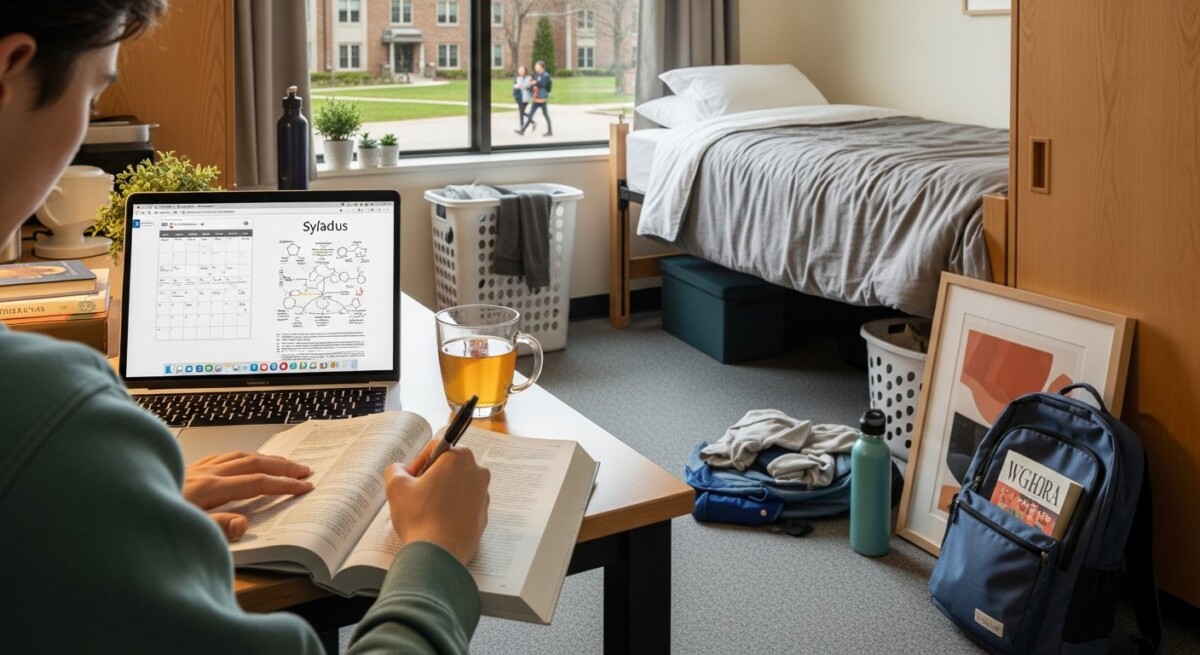
Starting college is a major milestone, and the class of 2026 faces a unique landscape shaped by evolving academic expectations, new financial aid policies, and a competitive job market. Many students arrive on campus feeling overwhelmed by the transition from high school to college-level work. The good news is that success is not about being the smartest person in the room. It is about building the right habits from day one. By focusing on a few core strategies, you can navigate your first year with confidence, avoid common pitfalls, and set a strong foundation for the rest of your academic career. These student success strategies for first year college 2026 are designed to help you thrive academically, financially, and socially.
Build a Strong Academic Foundation Early
The most common mistake first-year students make is treating the first semester like an extension of high school. College courses move faster, require deeper critical thinking, and demand more independent study time. To succeed, you must treat your academic work like a full-time job. This means dedicating at least two to three hours of study time for every hour you spend in class. If you are taking 15 credit hours, plan for 30 to 45 hours of study and homework each week. This is a significant commitment, but it is the single most effective way to ensure strong grades.
One of the most powerful tools at your disposal is the syllabus. Your professor will provide a syllabus for each class on the first day. This document is your roadmap for the entire semester. It lists all assignment due dates, exam schedules, and grading rubrics. Take the time to read each syllabus carefully and transfer every deadline into a digital calendar or a physical planner. Doing this in the first week prevents surprise deadlines and helps you plan for busy periods. Another critical habit is attending office hours. Many first-year students are intimidated by their professors, but office hours are designed to help you. Visit each professor at least once during the first month to introduce yourself. This simple act builds rapport and can lead to mentorship opportunities later.
Master Time Management Before Midterms
Time management is the skill that underpins all other academic success. Without it, even the brightest students can fall behind. Start by creating a weekly schedule that blocks out time for classes, study sessions, meals, exercise, and social activities. Be realistic about how much time you need. Use a technique called time blocking: assign specific tasks to specific time slots. For example, you might block 10:00 AM to 12:00 PM on Tuesdays for biology reading. This approach reduces decision fatigue and helps you stay focused.
Here are three essential time management practices for first-year students:
- Use a single calendar system: Whether you prefer Google Calendar, a paper planner, or an app, keep all your commitments in one place. This prevents double-booking and helps you see your full week at a glance.
- Break large projects into small tasks: Instead of writing “finish history paper” on your to-do list, break it into steps like “outline introduction,” “find three sources,” and “write body paragraph one.” Small tasks feel achievable and keep momentum going.
- Schedule buffer time: Leave at least one hour of unscheduled time each day for unexpected tasks or rest. This flexibility prevents burnout and helps you handle last-minute assignments.
By implementing these practices, you will reduce stress and improve your academic output. Many students find that the first six weeks are the most critical for establishing these routines. If you can maintain them through midterms, they will become lifelong habits.
Navigate Financial Aid and Tuition Like a Pro
Finances are often the biggest source of stress for college students. Understanding your financial aid package, tuition costs, and payment deadlines is essential for a smooth first year. Start by reviewing your financial aid award letter carefully. It will list grants, scholarships, work-study opportunities, and loan options. Grants and scholarships are free money that you do not need to repay. Accept these first. Federal student loans should be your next option, and you should only borrow what you absolutely need. For a deeper look at how federal loan policies may affect your finances, check out our guide on the 2026 Federal Student Loan Overhaul: OBBBA Guide. This resource explains recent changes that could impact your borrowing strategy.
Beyond loans, there are other ways to make college more affordable. Many students overlook institutional scholarships offered by their specific department or college. Visit your school’s financial aid office website and search for scholarship opportunities that match your major, background, or interests. You can also apply for external scholarships throughout the year. Treat scholarship applications like a part-time job that pays well. Spending ten hours on applications could yield thousands of dollars in free aid. Finally, consider a work-study position on campus. These jobs are flexible, convenient, and provide income that does not need to be reported on the FAFSA as heavily as outside earnings.
Develop Powerful Study and Note-Taking Systems
High school study methods often fail in college because the volume and complexity of material increase dramatically. To keep up, you need a system that promotes active learning rather than passive reading. Active learning means engaging with the material by summarizing, questioning, and applying concepts. One highly effective method is the Cornell Note-Taking System. Divide your notebook page into three sections: a narrow left column for cues and questions, a wider right column for notes, and a bottom section for a summary. During lecture, write main ideas in the right column. After class, write questions or keywords in the left column. Finally, write a brief summary of the page at the bottom. This structure forces you to process information twice, which improves retention.
Another powerful technique is the Pomodoro Method for study sessions. Set a timer for 25 minutes of focused work, then take a 5-minute break. After four cycles, take a longer break of 15 to 30 minutes. This method prevents mental fatigue and keeps your brain fresh. During study sessions, avoid multitasking. Put your phone in another room, close unnecessary browser tabs, and focus on one subject at a time. Research shows that multitasking reduces learning efficiency by up to 40 percent. For subjects that require memorization, such as anatomy or foreign language vocabulary, use spaced repetition apps like Anki. These apps show you flashcards at increasing intervals to move information from short-term to long-term memory.
Build a Support Network and Use Campus Resources
College is not just about academics. Your social and emotional well-being directly affects your academic performance. Building a strong support network is one of the most important student success strategies for first year college 2026. Start by connecting with classmates in your courses. Form a study group early in the semester. Study groups help you understand material from different perspectives and keep you accountable. You can also join student organizations that align with your interests. Most campuses have hundreds of clubs, from academic honor societies to recreational sports teams. Joining even one group can dramatically reduce feelings of isolation and help you make friends.
Do not wait until you are struggling to seek help. Most colleges offer free resources that first-year students underutilize. The writing center can help you brainstorm, outline, and edit papers. Tutoring centers offer drop-in help for difficult subjects like calculus, chemistry, and economics. Academic advising offices help you choose courses and plan your degree path. Counseling centers provide mental health support, which is crucial during the transition to college. Many students feel embarrassed to use these services, but successful students use every tool available. Think of these resources as part of your tuition. You are paying for them, so take full advantage.
Prioritize Health and Wellness for Long-Term Stamina
College is a marathon, not a sprint. If you neglect your physical and mental health during the first semester, you will burn out before finals. Sleep is the most critical factor. Aim for seven to nine hours of sleep per night. Pulling all-nighters to study may seem heroic, but it actually impairs memory and cognitive function. You will retain more information by sleeping well and studying consistently than by cramming for hours. Create a bedtime routine that signals to your body that it is time to wind down. Avoid screens for at least 30 minutes before bed, and keep your room cool and dark.
Nutrition and exercise also play a huge role in academic success. The “freshman 15” is a stereotype for a reason. Unhealthy eating habits and lack of exercise can lead to weight gain, low energy, and poor concentration. Make an effort to eat balanced meals with plenty of vegetables, lean proteins, and whole grains. Use the campus gym or recreation center at least three times per week. Even a 30-minute walk or jog can improve your mood and focus. Additionally, practice stress management techniques like deep breathing, meditation, or journaling. Many campuses offer free yoga or mindfulness classes. Taking care of your body is not a distraction from studying. It is a prerequisite for effective learning.
Explore Career Paths and Gain Experience Early
Many first-year students think they have years before they need to think about careers. In reality, the habits and experiences you build in your first year can set the trajectory for your professional life. Start by visiting your college’s career center during the first semester. Career counselors can help you identify your strengths, explore majors, and find internship opportunities. You do not need to declare a major immediately, but having a general direction helps you choose relevant courses and extracurricular activities.
Look for ways to gain real-world experience even as a freshman. Many companies offer first-year internship programs or shadowing opportunities. You can also volunteer in a field related to your interests. For example, if you are considering nursing, volunteer at a local hospital or clinic. If you are interested in business, join the student chapter of a professional organization like the American Marketing Association. These experiences build your resume and help you confirm or adjust your career goals. Additionally, start building your professional network early. Connect with professors, alumni, and professionals on LinkedIn. Attend career fairs and informational sessions. The relationships you build now can lead to internships and job offers later.
Frequently Asked Questions
What is the most important thing for a first-year college student to do?
The most important thing is to establish a consistent routine for studying, sleeping, and self-care. Without a routine, it is easy to fall behind. Focus on time management and building connections with professors and classmates during the first few weeks.
How can I save money on textbooks?
Buy used textbooks from online marketplaces or campus bookstores. Rent textbooks when possible. Check the library for reserve copies. Also, consider sharing textbooks with a classmate. Some professors place required readings on electronic reserve, which is free for students.
Should I take a job during my first year?
It depends on your financial needs and course load. A part-time job of 10 to 15 hours per week is manageable for most students. Work-study positions are ideal because they are located on campus and offer flexible hours. Avoid working more than 20 hours per week during your first year, as it can negatively impact your grades.
How do I choose a major if I am undecided?
Take a variety of general education courses in your first year to explore different fields. Visit the career center for assessments. Talk to professors and upperclassmen in departments that interest you. Many students change majors multiple times, so do not feel pressured to decide immediately.
What should I do if I am struggling in a class?
Act immediately. Visit your professor during office hours to discuss your concerns. Use the tutoring center for extra help. Form a study group with classmates. If you are still struggling, talk to your academic advisor about your options, which may include dropping the course or changing your schedule.
Your first year of college is a time of tremendous growth and opportunity. The strategies outlined here, from mastering time management to building a support network, are proven to help new students succeed. Remember that every successful student was once a beginner. Do not be afraid to ask for help, try new approaches, and adjust your habits as you learn what works for you. By taking proactive steps now, you will not only survive your first year but thrive in it. Explore the tools and resources available on College & Tuition to find affordable degree programs and financial aid options that support your journey. For those looking for flexible learning paths, consider researching accredited online degree programs at CollegeDegree.school to see how online education can fit your schedule and budget. Start building your foundation today, and you will set yourself up for a lifetime of success.
About the Author: Ethan Brooks