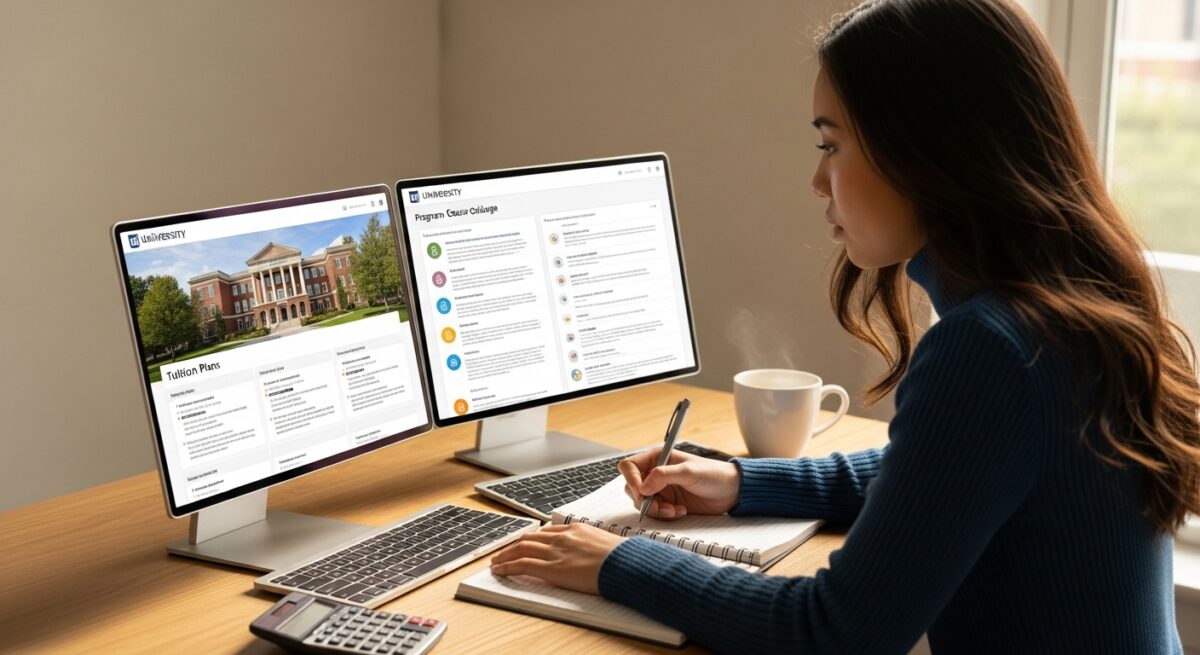
The decision to pursue higher education is a significant life milestone. For many, the traditional path of attending classes on a physical campus is not feasible due to work commitments, family responsibilities, or geographic limitations. This is where the option to get a degree online becomes a transformative solution. The flexibility and accessibility of online education have made it possible for millions of students to achieve their academic goals without sacrificing their current lifestyle. However, navigating this landscape requires careful planning. This guide serves as your comprehensive resource, providing a step-by-step framework to help you make informed decisions, from selecting the right program to financing your education and ultimately achieving career success.
Before you begin your search, it is vital to understand that all online degrees are not created equal. The quality, cost, and reputation of programs vary widely. A structured approach will save you time, money, and frustration. This planning guide is designed to walk you through every critical stage, ensuring that when you decide to get a degree online, you do so with confidence and a clear roadmap to success. We will cover everything from self-assessment and accredited program selection to financial aid strategies and time management tips for remote learners.
Why Choose an Online Degree Path?
The appeal of online education extends far beyond mere convenience. For the modern student, it represents a fundamental shift in how learning integrates with life. The primary advantage is flexibility. You can access lectures, complete assignments, and participate in discussions at times that fit your schedule, whether that is early in the morning, late at night, or during a lunch break. This asynchronous learning model is particularly beneficial for working professionals who need to balance career advancement with their current job responsibilities.
Another compelling reason is the potential for cost savings. While tuition for online programs can be comparable to on-campus options, you often save on significant ancillary costs. These include housing, meal plans, transportation, and campus fees. Additionally, many online programs allow you to continue working full-time while studying, which means you avoid the opportunity cost of lost wages. When you look at the total cost of attendance, choosing to get a degree online can be a more affordable route to a valuable credential.
Finally, online learning fosters valuable skills that are highly sought after in the modern workplace. Self-discipline, time management, digital literacy, and independent problem-solving are all essential for success in a remote learning environment. These are the same skills that employers value in a distributed or hybrid workforce. By completing an online degree, you are not just earning a diploma; you are demonstrating to future employers that you possess the initiative and technical proficiency to thrive in a digital world.
Step 1: Self-Assessment and Goal Setting
The first step in any successful educational journey is looking inward. Before you browse programs, you must clearly define your personal and professional goals. Ask yourself why you want to pursue a degree. Is it for a promotion in your current field, a complete career change, personal fulfillment, or to meet a prerequisite for graduate school? Your answer will heavily influence the type of program and field of study you should pursue.
Next, honestly evaluate your learning style and schedule. Are you self-motivated, or do you require more structured deadlines and interaction? Do you have a dedicated, quiet space to study, or will you be learning in short bursts between other activities? Understanding these factors will help you choose between a synchronous program (with live, scheduled classes) and an asynchronous one (where you learn at your own pace within a set timeframe). This foundational self-assessment is the most critical part of your planning guide because it ensures you choose a path that aligns with your life rather than conflicts with it.
Step 2: Researching and Choosing the Right Program
Once you have a clear sense of your goals, it is time to research programs. The most important factor here is accreditation. Accreditation is a quality assurance process that ensures an institution meets certain standards of educational excellence. Attending an accredited school is essential for several reasons: it ensures your degree will be recognized by employers and other academic institutions, it qualifies you for federal financial aid, and it often correlates with higher graduation rates and better student outcomes. There are two main types: regional accreditation (the most prestigious and widely recognized) and national accreditation (often associated with vocational or career-focused schools). Regional accreditation is generally preferred for academic transfer and graduate school admissions.
Beyond accreditation, you should investigate the program’s curriculum, faculty, and support services. Look at the course descriptions to see if they align with current industry standards. Research the professors’ backgrounds to ensure they have real-world experience in their field. A robust online program should offer strong student support services, including academic advising, tutoring, career counseling, and a responsive technical help desk. These services are vital for keeping you on track and engaged. To help you organize your research, consider the following key criteria:
- Accreditation Status: Verify the school is regionally accredited by a recognized accrediting body. This is non-negotiable for degree quality.
- Program Format: Determine if the program is fully online, hybrid (some on-campus requirements), or competency-based. Choose the format that fits your lifestyle.
- Total Cost and Financial Aid: Compare tuition rates, fees, and available financial aid packages. Look for all-inclusive pricing models that cover textbooks and digital materials.
- Student Support Services: Evaluate the availability of online tutoring, library access, technical support, and career placement services. These can make or break your experience.
After you have a shortlist, take the next step by reaching out to the admissions offices. Ask specific questions about the student-to-faculty ratio in online courses, the typical time to graduation, and the job placement rates for graduates in your field. A reputable institution will be transparent with this data. For a deeper dive into the application process and different university models, you can refer to our guide on How Can You Get Your College Degree Online? which provides additional context on the various pathways available to you.
Step 3: Financing Your Online Education
Financing is often the most daunting aspect of higher education, but there are numerous avenues to make it manageable. The first step is to complete the Free Application for Federal Student Aid (FAFSA). This form determines your eligibility for federal grants, work-study programs, and student loans. Federal student loans typically offer lower interest rates and more flexible repayment options than private loans. It is critical to max out your federal loan eligibility before considering private financing.

In addition to federal aid, you should aggressively pursue scholarships. Many people mistakenly believe scholarships are only for high school seniors. In reality, there are thousands of scholarships available for adult learners, transfer students, and those pursuing specific fields of study. Use scholarship search engines and check with your chosen university’s financial aid office for institution-specific awards. Many employers also offer tuition reimbursement programs as a benefit. If you are currently employed, speak with your human resources department to see if your company will help fund your education. Combining grants, scholarships, employer assistance, and federal loans can significantly reduce your out-of-pocket costs when you get a degree online.
Step 4: Time Management and Academic Success Strategies
Transitioning to online learning requires a shift in mindset and daily routine. Without the structure of a physical classroom, you must create your own. The most successful online students treat their coursework like a non-negotiable appointment. Dedicate specific blocks of time each week solely to studying and completing assignments. Put these blocks on your calendar and protect them from interruptions. Consistency is more important than the length of each study session. A daily hour of focused work is often more productive than a single eight-hour session once a week.
Active participation is another key to success. Online learning can feel isolating, but most platforms offer robust tools for interaction. Engage in discussion boards, join virtual study groups, and communicate regularly with your professors. This not only deepens your understanding of the material but also helps you build a professional network. Finally, do not be afraid to ask for help. Whether it is a technical issue, a confusing assignment, or a personal challenge, reaching out to your support network early can prevent small problems from becoming major obstacles. Your academic advisor is a key resource for navigating these challenges and keeping you on the path to graduation.
Frequently Asked Questions (FAQs)
Are online degrees respected by employers?
Yes, online degrees are widely respected by employers, especially when earned from an accredited, well-known institution. The key factor is accreditation. An online degree from a regionally accredited university holds the same weight as an on-campus degree from the same school. Many employers now value the self-discipline and time management skills that online learning requires.
How long does it take to complete an online degree?
The time to completion varies. A traditional bachelor’s degree typically takes four years of full-time study. However, many online programs offer accelerated formats, allowing you to take more courses per semester and finish in as little as 18 to 24 months. Part-time students may take longer, often five to six years. Competency-based programs can be even faster, as you progress by demonstrating mastery of skills rather than by completing a set number of credit hours.
Can I get financial aid for an online degree?
Absolutely. Students enrolled in accredited online degree programs are eligible for the same federal financial aid as on-campus students. This includes Pell Grants, Direct Subsidized and Unsubsidized Loans, and work-study programs. You must complete the FAFSA to apply. Additionally, many states and private organizations offer scholarships specifically for online learners.
What technology do I need for online classes?
You will need a reliable computer (desktop or laptop) with a current operating system, a stable high-speed internet connection, and a webcam and microphone for live sessions or recorded presentations. Specific software requirements vary by program, but most use a Learning Management System (LMS) like Canvas, Blackboard, or Moodle. Basic proficiency in word processing, email, and web browsing is assumed.
Final Thoughts on Your Online Degree Journey
Embarking on the journey to get a degree online is a decision that requires commitment, planning, and proactive effort. However, the rewards are substantial. You gain the flexibility to learn on your terms, the opportunity to advance your career without pressing pause on your life, and a credential that holds significant value in the modern job market. The key is to approach this process methodically, using a complete planning guide like this one to navigate each step from self-assessment to graduation.
Remember that you are not alone in this process. Institutions and resources exist to help you succeed. Whether you are exploring degreeonline.education to find program comparisons or leveraging the career services at your chosen university, take advantage of every tool available. Your future is built on the decisions you make today. With the right plan, a pursuit of all online degrees can become a powerful and transformative reality. Start your research, ask the hard questions, and take that first step toward achieving your academic and professional aspirations.
About the Author: Olivia Martin