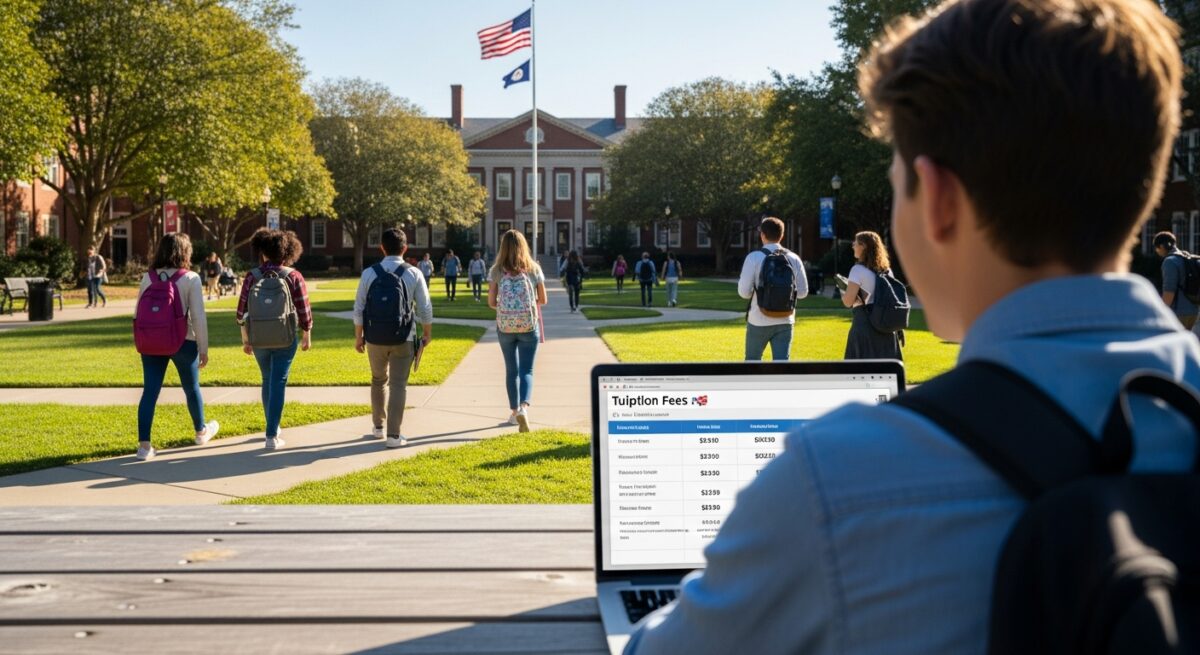
For ambitious students worldwide, the dream of studying abroad is often shadowed by the daunting reality of cost. Tuition fees, living expenses, and travel can create a significant financial barrier. This is where government scholarships for international students become a transformative opportunity. Unlike private or university-specific awards, these prestigious funding packages are offered directly by national governments as part of their foreign policy, cultural exchange, and educational diplomacy initiatives. They represent some of the most comprehensive and sought-after forms of financial aid, often covering full tuition, providing a living stipend, and including health insurance and travel allowances. Navigating the application process for these competitive awards, however, requires a strategic, early, and meticulous approach. This guide will demystify the journey, providing a clear roadmap on how to identify, prepare for, and successfully apply for government-funded scholarships to turn your global education aspirations into reality.
Understanding Government Scholarship Programs
Government scholarships are fundamentally different from other study abroad funding options. They are not merely financial aid; they are investments in international relations and human capital. Countries establish these programs to attract talented individuals who can contribute to academic and research excellence, foster cross-cultural understanding, and build long-term professional networks that benefit both the student’s home country and the host nation. Prominent examples include the Fulbright Program (USA), Chevening Scholarships (UK), DAAD Scholarships (Germany), Erasmus Mundus (European Union), and the Australian Awards. Similarly, the Danish Government Scholarships aim to attract highly motivated non-EU/EEA students to Denmark’s higher education institutions.
The scope of these awards is typically extensive. A fully-funded government scholarship usually encompasses tuition fee waivers, a monthly living allowance adjusted to the local cost of living, comprehensive health insurance, and often a travel grant for initial arrival and final departure. Some programs also include funding for dependents, settling-in allowances, and academic travel grants for conferences or research. This comprehensive support allows students to focus entirely on their studies and cultural immersion without the constant pressure of financial survival. Understanding this intent, the mutual benefit, is crucial for crafting an application that aligns with the program’s diplomatic and educational goals.
The Step-by-Step Application Process
The process for applying to government scholarships for international students is rigorous and demands long-term planning. It is not a last-minute endeavor. A successful application is built over months, sometimes over a year in advance of the deadline. The general framework involves several critical stages, each requiring careful attention to detail and alignment with the specific scholarship’s criteria.
First, exhaustive research is non-negotiable. You must identify which countries offer programs in your field of study and which you are eligible for based on nationality, academic level, and professional experience. Official government and embassy websites are the only reliable sources for this information. Once you have a target list, the real work begins. The core of most applications consists of academic transcripts, letters of recommendation, a compelling personal statement or study objectives essay, and proof of language proficiency (like IELTS or TOEFL). Each component must tell a cohesive story about your past achievements, current motivation, and future potential.
To manage this complex process effectively, follow this structured approach:
- Research and Shortlist (12-18 months before start): Identify all relevant government scholarships. Meticulously note deadlines, eligibility rules, required documents, and any country-specific restrictions.
- Prepare for Standardized Tests (12 months before): Schedule and prepare for any required language proficiency or graduate entry exams (e.g., GRE, GMAT). Allow time for potential retakes.
- Secure University Admission (10-12 months before): Most government scholarships require an admission letter or proof of application to a host university. Begin this process in parallel.
- Draft Application Documents (8-10 months before): Start writing your essays and statements. Secure strong letters of recommendation from professors or employers who know your work well.
- Finalize and Submit (Before Deadline): Review all documents for errors, ensure they are tailored to the specific scholarship, and submit well before the official closing date.
- Prepare for Interviews (If applicable): Many programs include an interview stage. Practice articulating your goals and how you align with the scholarship’s mission.
Following this timeline is essential. Rushed applications are easily spotted and rarely succeed. Remember, you are competing with top candidates globally; precision and preparation are your greatest allies. For broader context on managing costs, our analysis of affordable global education and tuition comparisons provides valuable insights into the financial landscape you are navigating.
Crafting a Winning Personal Statement and Essay
While grades and test scores get your foot in the door, your personal statement or motivation letter is what opens it. This document is your primary opportunity to speak directly to the selection committee and distinguish yourself from other academically qualified candidates. The essay must convincingly argue why you deserve the investment. For government scholarships, this goes beyond personal ambition; you must demonstrate how your study plans and future career will act as a bridge between your home country and the host nation, fostering mutual understanding and development.
A powerful structure for such an essay includes several key elements. Begin with a compelling hook, a brief anecdote or observation that illustrates your passion for your field and its international context. Clearly articulate your academic and professional background, highlighting experiences that have prepared you for this specific program. Then, detail your proposed course of study, explaining why this particular country and university are essential to your goals. Crucially, you must outline a clear post-scholarship plan. Selection committees want to see a tangible commitment to returning to your home country (or region) to apply your new skills and knowledge. Describe the specific problem you wish to address, the community you will serve, and how the scholarship is a critical step in that journey. Finally, conclude by reaffirming your potential as a cultural ambassador and future leader.
Avoid generic statements and cliches. Be specific, authentic, and forward-looking. Proofread meticulously, and have mentors review your drafts. This essay is a narrative of purpose, and it must resonate with the broader objectives of the government funding your education.
Navigating Eligibility and Post-Award Requirements
Eligibility criteria for government scholarships are strict and non-negotiable. Common requirements include a minimum GPA or academic standing, a specific number of years of professional work experience (common for programs like Chevening), citizenship of an eligible country, and a commitment to return home for a minimum period after graduation. Some scholarships are also restricted to certain fields of study that align with the host country’s development or diplomatic priorities. It is imperative you verify every single criterion before investing time in the application. Assuming you qualify can lead to automatic disqualification.
Winning the award is a major achievement, but it comes with responsibilities. Most government scholarships are conditional upon maintaining a certain academic performance. Furthermore, they often include a “bond” or agreement requiring you to return to your home country for a set duration, typically two years. Failure to comply can result in a requirement to repay the full value of the scholarship. Additionally, many programs integrate a leadership or networking component, such as mandatory participation in alumni associations, seminars, or cultural events. Embracing these opportunities is part of the full scholarship experience and is key to building the professional network that makes the award so valuable. For students still exploring their foundational options, clear academic degree resources can help in selecting the right undergraduate or graduate path that aligns with scholarship-eligible programs.
Frequently Asked Questions
Can I apply for multiple government scholarships at once?
Yes, you can and should apply to multiple programs for which you are eligible, as competition is extremely high. However, be realistic about the time required to tailor each application perfectly. It is better to submit three outstanding applications than ten mediocre ones.
Do I need to secure university admission before applying for the scholarship?
This varies by program. Some, like the Fulbright, handle university placement as part of the award. Others, like many DAAD scholarships, require an admission letter or at least proof of application. Always check the specific requirements.
How important is work experience for these scholarships?
For master’s level programs, work experience is often critical and sometimes mandatory (e.g., Chevening requires 2 years). It demonstrates professional maturity, leadership potential, and a clearer sense of how the study will advance your career impact.
What if my English proficiency scores are slightly below the requirement?
Minimum scores are almost always a hard cutoff. Submit your application only if you meet or exceed all stated requirements. Plan to take the test again if necessary.
Are there age limits for government scholarships?
Some programs have age restrictions, while others do not. This is another vital detail to confirm during your initial research phase.
Securing a government scholarship for international study is a challenging yet profoundly rewarding pursuit. It demands a fusion of academic excellence, clear professional vision, and a demonstrated commitment to societal contribution. The process of learning how to apply for government scholarships for international students is, in itself, a valuable exercise in goal-setting, self-reflection, and project management. By starting early, adhering to official guidelines, crafting a authentic and purposeful narrative, and meticulously preparing every document, you position yourself as a strong candidate worthy of this significant investment. Remember, these scholarships seek to build the leaders and connectors of tomorrow. Your application is your argument for why you are one of them. With diligent preparation and a strategic approach, you can unlock the door to a fully-funded world-class education and a lifetime of global opportunity.
About the Author: William Harris