For many students, the first real taste of financial independence arrives with college. Between tuition payments, meal plans, and the occasional late-night pizza run, it is easy to lose track of where money goes. Yet the single largest financial surprise for most families is not the price of a textbook or a dorm room. It is the total cost of day-to-day life on campus. Understanding the full picture of your annual living expenses for college students can be the difference between graduating with manageable debt and facing a financial crisis before finals week.
Housing, food, transportation, and personal items often add up to more than tuition itself. According to recent data from the College Board, the average cost of room and board at a four-year public university now exceeds $12,000 per year. When you factor in books, supplies, and incidentals, the total can climb to over $20,000 annually. That is a significant chunk of change for anyone to manage, and it is why a clear budget is not optional. It is essential. This guide will break down every major category of spending, offer practical ways to cut costs, and show you how to build a sustainable financial plan for your college years.
Breaking Down the True Cost of College Life
When people talk about college expenses, they often focus on the sticker price of tuition. But the reality is that your annual living expenses for college students include several distinct categories. Each one requires careful planning. Let us walk through the primary areas where your money will go each semester.
Housing and Utilities
Where you live is likely your largest recurring expense after tuition. On-campus dormitories offer convenience and built-in community, but they are not always the cheapest option. Off-campus apartments can provide more freedom and potentially lower rent, especially if you share with roommates. When comparing options, remember to include utilities like electricity, water, internet, and trash collection. Many apartments require renters insurance as well, which is a small monthly fee that protects your belongings.
Here are a few key considerations when choosing housing:
- On-campus housing often includes a meal plan, which simplifies budgeting but may cost more than cooking for yourself.
- Off-campus apartments typically require a security deposit and first month’s rent upfront, so you need savings before moving in.
- Utilities can vary seasonally. Heating costs in winter or air conditioning in summer can double your electric bill.
- Renters insurance is inexpensive (often $10-$20 per month) and worth the peace of mind.
If you choose to live off campus, split utilities with roommates and set up automatic payments to avoid late fees. Some landlords offer discounts for signing a 12-month lease, which can lower your monthly rate compared to a 9-month academic year lease.
Food and Groceries
Food is a non-negotiable expense, but the way you approach it can dramatically affect your student living expenses. A campus meal plan is convenient, but it is also one of the most expensive ways to eat. The average meal plan at a public university costs between $4,000 and $6,000 per academic year. If you cook most of your own meals, you can cut that number in half. A single student can spend as little as $200 to $300 per month on groceries. That adds up to roughly $2,400 to $3,600 per year. Combine that with a smaller meal plan for days when you are on campus all day, and you can save hundreds of dollars annually.
To keep food costs low, plan your meals for the week and shop with a list. Buy non-perishable items in bulk when they are on sale. Avoid impulse purchases and convenience stores, which charge a premium for single servings. Cooking with roommates can also reduce costs and make meal prep more social.
Transportation and Getting Around
Transportation costs vary widely depending on whether you live on campus, off campus, or commute from home. If you live on campus, you might walk or bike everywhere and spend almost nothing on travel. If you live off campus or commute, you need to budget for gas, parking permits, public transit passes, or ride-sharing services. A student driving a car to campus should expect to spend $1,000 to $2,000 per year on gas, maintenance, and parking fees. Public transit can be much cheaper. Many colleges offer discounted or free bus passes for students. A monthly transit pass often costs $50 to $100, which translates to $500 to $1,000 per academic year.
Consider the total cost of owning a car versus using alternative transportation. If your campus is in a walkable city or has reliable bus routes, selling your car could free up hundreds of dollars each month for other priorities. Biking is another excellent option. A quality used bicycle costs $200 to $400, and maintenance is minimal.
Books, Supplies, and Technology
Textbooks have become notoriously expensive. The average student spends between $1,200 and $1,400 per year on books and supplies. That figure can be higher for majors in the sciences, engineering, or the arts. However, there are many ways to reduce this cost. Renting textbooks from online services, buying used copies, or using digital versions can cut your spending by 50 percent or more. Some professors place copies of required texts on reserve in the library, allowing you to read them for free. Additionally, many students sell their textbooks back at the end of the semester, recouping some of their original investment.
Technology is another essential expense. A reliable laptop, software licenses, and possibly a printer are necessary for most courses. A good laptop costs $800 to $1,500 and should last four years. Spread that cost across your time in school, and it adds roughly $200 to $375 per year. Some colleges include technology fees in tuition that cover software and campus computer labs, so check what is available before making purchases.
Personal Expenses and Entertainment
Personal expenses cover a broad range of items: toiletries, laundry, clothing, phone bills, health insurance, and entertainment. These costs are easy to overlook but can add up quickly. The average college student spends $2,000 to $3,000 per year on personal and miscellaneous items. This category is also where you have the most control. Small changes can lead to big savings. For example, switching to a prepaid phone plan can save $30 to $50 per month. Cutting back on streaming services and using campus recreation facilities instead of a gym membership can save hundreds annually.
Entertainment, including eating out, movies, concerts, and travel, is often the first area students cut when money gets tight. But you do not have to eliminate fun entirely. Look for free or low-cost events on campus. Many schools offer free movie nights, concerts, and club activities. Take advantage of student discounts at local businesses and museums. A little creativity goes a long way.
When you combine all of these categories, the total annual living expenses for college students typically range from $15,000 to $25,000, depending on location, lifestyle, and housing choices. That is a significant amount of money, but it is manageable with a solid plan.
How to Build a Realistic Student Budget
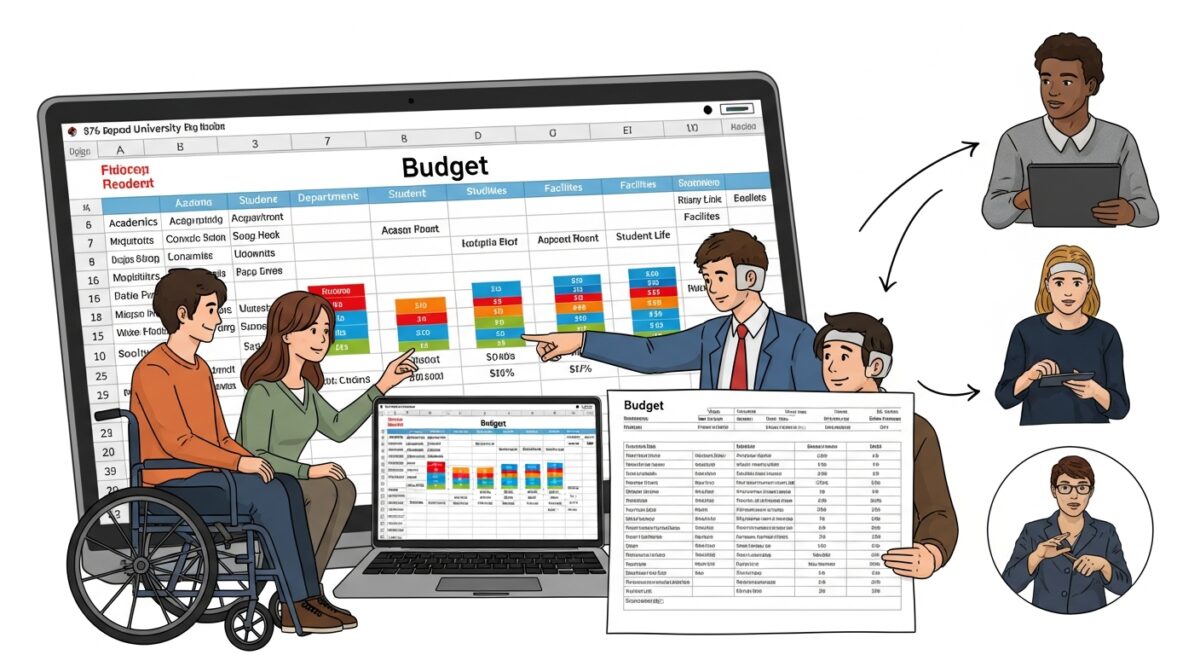
Creating a budget is the single most effective tool for controlling your student living expenses. Start by estimating your total income for the year. Include money from part-time jobs, financial aid refunds, scholarships, and family contributions. Then list your fixed expenses: rent, utilities, meal plan or groceries, transportation, and insurance. Subtract your fixed costs from your income to see how much remains for variable expenses like entertainment and personal items.
Here is a simple framework for building your budget:

- Track every dollar you spend for one month to understand your actual habits. Use a spreadsheet or a budgeting app.
- Separate your expenses into needs (rent, food, utilities) and wants (eating out, subscriptions, travel).
- Set a spending limit for each category based on your income. Aim to save at least 10 percent of your income each month for emergencies.
- Review your budget weekly and adjust as needed. If you overspend in one category, cut back in another.
- Automate your savings and bill payments to avoid late fees and make saving effortless.
One common mistake is underestimating irregular expenses. Car repairs, medical bills, and holiday travel can derail a budget if you are not prepared. Build an emergency fund of $500 to $1,000 as soon as possible. This fund will cover unexpected costs without forcing you to rely on credit cards or loans.
Ways to Reduce Your Annual Living Expenses
Cutting costs does not mean sacrificing your college experience. It means being intentional about where your money goes. Here are several strategies that can significantly lower your total annual living expenses for college students.
Choose a less expensive housing option. Living with roommates is the easiest way to cut rent. A two-bedroom apartment shared with one other person can cost 30 to 40 percent less per person than a one-bedroom unit. If you live on campus, opt for a shared room or a smaller dormitory. Some schools offer reduced rates for students who serve as resident assistants or participate in living-learning communities.
Cook at home as much as possible. A single meal at a restaurant can cost $10 to $15. Cooking the same meal at home costs $3 to $5. If you eat out three times per week, you could save $30 to $50 per week by cooking instead. That adds up to $1,500 to $2,500 per year. Use a meal planning app to simplify the process and reduce food waste.
Use free and discounted resources on campus. Your student fees already pay for many services. Take advantage of the campus gym, library, tutoring center, and health clinic. These services are free or heavily discounted for enrolled students. Avoid paying for outside subscriptions or memberships when your school offers them for free.
Consider earning money while you study. A part-time job on campus, such as working in the library or as a teaching assistant, can provide a steady income and flexible hours. Many work-study positions are designed around your class schedule. Even 10 hours per week at $15 per hour adds $6,000 to your annual income. That can cover a large portion of your annual living expenses.
Finally, explore alternative degree pathways. Online programs and accelerated degrees can reduce the total time you spend in school, lowering your overall costs. If you are considering a flexible option, compare online degree programs to find one that fits your schedule and budget. Many online programs allow you to continue working while studying, which reduces the need for student loans.
For more detailed guidance on using education savings accounts for everyday costs, check out our article on 529 Plan Living Expenses: What Qualifies as Covered Costs.
Frequently Asked Questions
What is the average annual living expense for a college student in the United States?
The average total annual living expenses for college students, including housing, food, transportation, and personal items, ranges from $15,000 to $25,000. This figure varies significantly based on geographic location, housing type, and lifestyle choices.
How much should a college student budget for food each month?
A reasonable monthly food budget for a college student is $200 to $400 if cooking at home. Students on a full meal plan may spend $400 to $600 per month. The key is to balance convenience with cost.
Can I use financial aid to pay for living expenses?
Yes. Financial aid, including student loans and grants, can be used for living expenses after tuition and fees are covered. Any remaining funds are typically disbursed to you as a refund, which you can use for rent, food, and other costs. Be careful not to borrow more than you need.
What are the biggest hidden costs for college students?
Hidden costs include textbooks, technology fees, lab fees, transportation, health insurance, and personal care items. Many students also underestimate the cost of social activities and eating out. Planning for these expenses in advance prevents surprises.
How can I lower my housing costs in college?
Share an apartment or house with roommates. Live off campus in a less expensive neighborhood. Consider becoming a resident assistant for free or reduced room and board. Some schools offer co-op housing options that further reduce costs.
Building a Financially Healthy Future
Managing your annual living expenses for college students is a skill that will serve you long after graduation. The habits you build now, budgeting, saving, and making intentional spending choices, will shape your financial future. Start by tracking your spending for one month. Identify one or two areas where you can cut back immediately. Then create a simple budget and stick to it. Every dollar you save today is a dollar you do not have to borrow or pay back with interest tomorrow.
College is a time of growth, both academically and personally. Taking control of your finances early allows you to focus on what really matters: your education, your relationships, and your future career. With a clear plan and a commitment to smart spending, you can enjoy your college years without the weight of unnecessary financial stress. The choices you make today will set the foundation for a lifetime of financial confidence.
About the Author: Rachel Adams