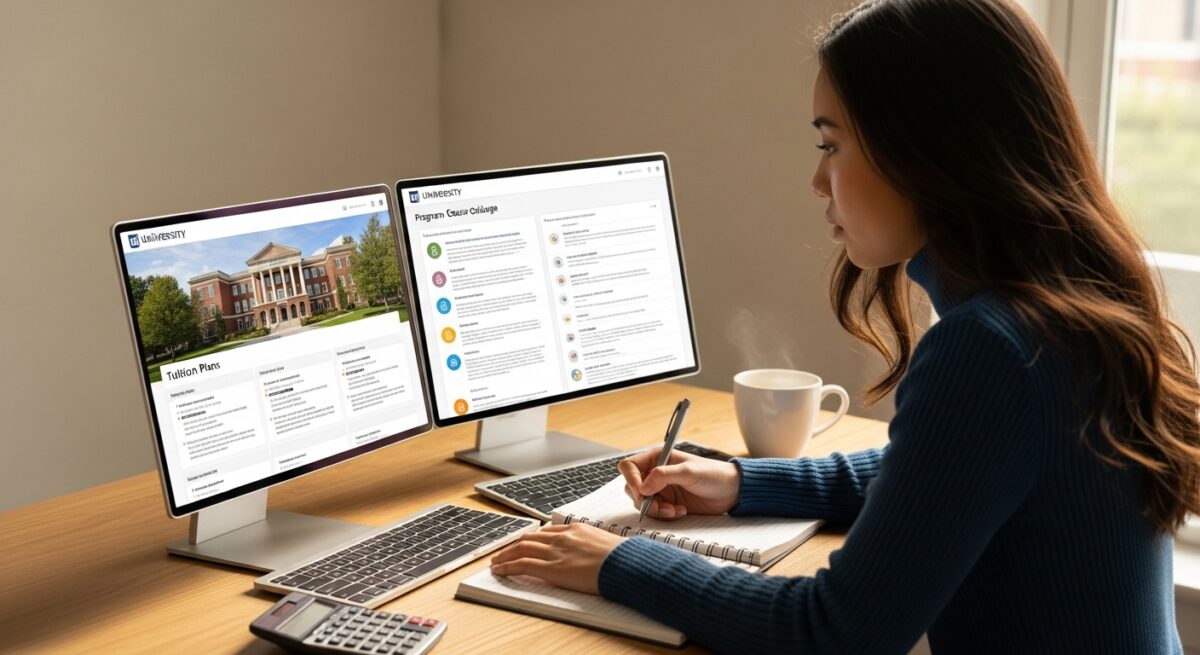
For many students, the dream of earning a bachelor’s degree feels out of reach due to high tuition costs and rigid campus schedules. However, the rise of distance education has opened a door to affordable, flexible learning. This Inexpensive Online Bachelor Degree Programs Guide will help you navigate the landscape of low-cost degrees, showing you exactly where to find quality education without taking on crippling debt. Whether you are a working adult, a parent, or a first-time student, you can earn a legitimate degree for a fraction of the traditional cost.
The key is knowing where to look and what to avoid. Many regionally accredited universities now offer online programs at rates significantly lower than their on-campus counterparts. By focusing on public universities with in-state online tuition rates, competency-based programs, and schools that waive out-of-state fees, you can find programs that cost under $10,000 per year. This guide breaks down the strategies, schools, and financial aid options you need to make an informed decision.
Why Choose an Inexpensive Online Bachelor Degree?
The primary benefit of choosing an inexpensive online bachelor degree program is financial freedom. Traditional four-year degrees can cost over $100,000, leaving graduates with decades of student loan payments. In contrast, cheap BA degree online options often range from $5,000 to $15,000 total, allowing you to graduate debt-free or with manageable payments. This financial head start can be life-changing, enabling you to buy a home, start a business, or save for retirement sooner.
Beyond cost, online programs offer unmatched flexibility. You can study from anywhere, work around your job and family obligations, and often complete coursework at your own pace. Many programs offer asynchronous classes, meaning there are no set lecture times. This structure is ideal for self-motivated learners who need to balance multiple responsibilities. Additionally, earning a degree online demonstrates to employers that you possess discipline, time management, and digital literacy skills highly valued in the modern workplace.
How to Identify Truly Affordable Programs
Not all low-tuition programs are created equal. The first step in your search is verifying accreditation. Regional accreditation is the gold standard, ensuring that credits transfer and your degree is recognized by employers and graduate schools. National accreditation is less rigorous and often not accepted by traditional universities. Always check the school’s accreditation status on the U.S. Department of Education’s database before applying.
Next, look at the total cost of attendance, not just the per-credit price. Some schools advertise low tuition but add mandatory fees for technology, library access, or out-of-state status. The cheapest programs are often found at public universities that offer a flat-rate online tuition for all students, regardless of residency. Here are the key factors to compare:
- Tuition Rate: Look for per-credit costs under $300. Competency-based programs like those at Western Governors University charge a flat six-month fee for unlimited credits.
- Fees: Calculate all mandatory fees. Some schools charge $50-$200 per course in addition to tuition.
- Residency Requirements: Confirm the school does not charge out-of-state tuition for online students. Many public universities have a separate, lower online rate.
- Transfer Policy: If you have prior college credits, ensure the school accepts them. This can cut your degree cost by half or more.
After you identify a few candidates, read student reviews and check graduation rates. A program with a very low graduation rate may indicate poor support or quality issues. The goal is to find a balance between low cost and strong student outcomes. For a deeper look at how graduate programs compare, you can review our Inexpensive Online MBA Programs: Tuition Comparison Guide for similar cost-saving strategies applied to master’s level study.
Top Schools for Inexpensive Online Bachelor Degrees
Several universities have built their reputations on providing high-quality, affordable online education. These schools consistently appear on lists of cheap BA degree online providers because they prioritize access over profit. Below are some of the most notable options, each with unique advantages for budget-conscious students.
Public University Flagships with Online Campuses
Many large state universities have created dedicated online divisions that offer the same degrees as their on-campus programs but at lower cost. For example, Arizona State University Online offers hundreds of programs with a focus on student support, though its tuition is moderate. A more budget-friendly option is the University of Florida Online, which charges a flat rate of around $130 per credit hour for all students, making it one of the most inexpensive online degrees available. Similarly, Georgia Tech’s online undergraduate degrees are priced competitively, often under $10,000 per year, with a strong reputation in technology and business fields.
Competency-Based Education Providers
Competency-based education (CBE) is a game-changer for students who want to move quickly through material they already know. Instead of paying per credit hour, you pay a flat subscription fee for a set period (usually six months) and complete as many courses as you can. Western Governors University (WGU) is the pioneer in this space, with flat rates around $3,500 per six-month term for most bachelor’s programs. This model is ideal for self-starters and can dramatically reduce the total cost of a degree. Other CBE options include Capella University’s FlexPath and Purdue University Global, though their pricing structures vary.
Regional Public Universities
Smaller regional public universities often have the lowest advertised tuition rates for online students. Schools like Southern New Hampshire University (SNHU) have gained popularity for their consistently low per-credit rate (around $330) and extensive online course catalog. Other examples include Fort Hays State University in Kansas and the University of the Cumberlands in Kentucky, both of which offer many bachelor’s degrees for under $300 per credit hour. These schools often provide strong academic advising and career services tailored to online learners.

Maximizing Financial Aid and Reducing Out-of-Pocket Costs
Even with low tuition, financial aid can further reduce your costs. The first step is always to complete the Free Application for Federal Student Aid (FAFSA). This determines your eligibility for federal grants, such as the Pell Grant, which provides up to $7,395 per year (as of the 2024-2025 award year) to students with significant financial need. Grants do not need to be repaid, making them the best form of aid.
Scholarships are another critical resource. Many universities offer specific scholarships for online students, transfer students, or adult learners. Additionally, third-party organizations like the American Association of University Women (AAUW) and local community foundations provide scholarships that can be used at any accredited school. Employer tuition assistance is also worth exploring. Many companies, including Walmart, Starbucks, and Amazon, offer tuition reimbursement programs that can cover a significant portion of your degree costs in exchange for a work commitment.
For those who still need loans, federal student loans offer lower interest rates and more flexible repayment options than private loans. Subsidized loans are particularly valuable because the government pays the interest while you are in school. Always maximize federal loans before considering private options, and borrow only what you truly need to complete your degree.
Frequently Asked Questions
What is the cheapest online bachelor’s degree I can get?
The cheapest options are typically competency-based programs like Western Governors University (WGU), where a six-month term costs around $3,500 for unlimited credits. Public universities like University of Florida Online also offer rates as low as $130 per credit hour, making them extremely affordable for students who can complete a degree in four years.
Are inexpensive online degrees respected by employers?
Yes, as long as the school is regionally accredited. Employers care more about accreditation and your demonstrated skills than the price of your degree. Degrees from established public universities and reputable non-profits like WGU are widely recognized and valued in the job market.
Can I get financial aid for online bachelor’s programs?
Absolutely. Online students are eligible for the same federal financial aid as on-campus students, including Pell Grants, work-study programs, and federal student loans. You must complete the FAFSA and be enrolled at least half-time in a degree-seeking program to qualify.
How long does it take to complete an online bachelor’s degree?
Most programs take four years of full-time study, but competency-based programs allow you to accelerate. Students with transfer credits or those who take a heavy course load can finish in two to three years. Part-time students may take five to six years, which is still a viable path if it helps keep costs manageable.
What should I avoid when looking for cheap online degrees?
Avoid unaccredited schools, for-profit institutions with very low graduation rates, and programs that charge hidden fees. Be wary of schools that pressure you to enroll quickly or make promises that sound too good to be true. Always verify accreditation and read recent student reviews before committing.
Finding an inexpensive online bachelor’s degree is not just about saving money. It is about making a strategic investment in your future. By focusing on accredited, low-cost programs and leveraging financial aid, you can earn a valuable credential that opens doors to better career opportunities. Start your research today by comparing the schools and strategies outlined in this Inexpensive Online Bachelor Degree Programs Guide, and take the first step toward a debt-free degree. For additional resources and school matching tools, visit DegreeOnline.education to explore your options further.
About the Author: Michael Grant