
In-Person Degree Courses: The Classic Path to College Success
In-person degree courses offer immersive learning, hands-on resource access, and vital networking that build a strong career foundation. Discover if the traditional campus path aligns with your goals.

By Sarah Thompson
In an era dominated by digital learning platforms and virtual classrooms, the traditional in-person degree course stands as a testament to a transformative educational experience. While online programs offer undeniable flexibility, the immersive, hands-on journey of attending a physical campus provides a depth of engagement that is difficult to replicate remotely. For many students, the decision to pursue an on-campus degree is about more than just earning a credential; it’s about building a professional network in real-time, accessing cutting-edge facilities, and undergoing a holistic personal and intellectual development that shapes their future in profound ways. This article explores the enduring value, unique benefits, and practical considerations of choosing in-person degree courses for your higher education journey.
The Unmatched Value of Immersive Campus Learning
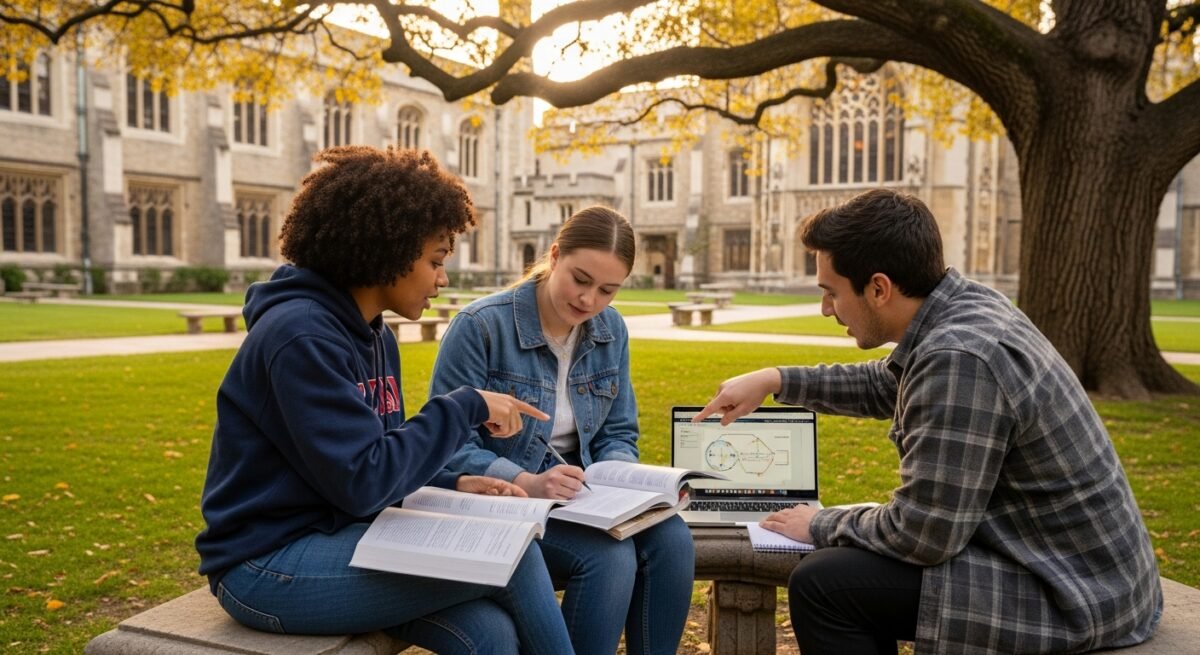
The core advantage of in-person degree courses lies in their immersive nature. Students are not just consuming information; they are living within an ecosystem designed for discovery. This environment fosters spontaneous interactions that are the bedrock of deep learning. A conversation after class with a professor can clarify a complex theory, a late-night debate in a dormitory can solidify an argument, and an unplanned visit to a laboratory can spark a new research interest. These micro-moments of connection and curiosity are often where the most significant learning occurs, and they are intrinsically linked to the physical campus experience.
Furthermore, in-person programs provide structured accountability and routine. The fixed schedule of lectures, seminars, and labs creates a discipline that helps students manage their time effectively and stay on track with demanding coursework. This structure is particularly beneficial for undergraduates transitioning from high school, as it teaches crucial time-management skills within a supportive framework. The physical act of “going to class” mentally prepares students to engage, separate from the distractions of home life, which can be a challenge in remote learning environments. This dedicated focus often leads to a deeper mastery of the subject matter and stronger academic performance.
Tangible Benefits Beyond the Lecture Hall
The benefits of on-campus degree programs extend far beyond academic instruction. They offer access to specialized, high-cost resources that are typically unavailable to online students. Science and engineering students gain hands-on experience with advanced laboratory equipment, fine arts students utilize studios and workshops, and medical or nursing students train with simulation mannequins and clinical tools. This direct, tactile experience is irreplaceable for building practical, job-ready skills. For fields like chemistry, biology, engineering, and the performing arts, this access is not a luxury; it is a fundamental requirement of the curriculum.
Another critical advantage is the immediate and organic development of a professional and social network. Campus life is a continuous networking event. Study groups, club meetings, intramural sports, and campus events facilitate connections with peers who will become future colleagues, collaborators, and friends. Professors become mentors who can offer personalized advice, write detailed recommendation letters, and connect students with internship and research opportunities. These relationships are built through consistent face-to-face interaction, creating a web of support that can launch careers. For those considering advanced degrees, building these faculty relationships is essential, as explored in our resource on how to get a master’s degree.
Key Advantages of Choosing an In-Person Degree Path
When evaluating your options, consider these tangible benefits that are most pronounced in a traditional campus setting:
- Immediate Feedback and Dynamic Interaction: Real-time Q&A with instructors and peers leads to faster comprehension and more nuanced discussions.
- Structured Learning Environment: Dedicated libraries, study spaces, and a clear separation between academic and personal life enhance focus and productivity.
- Access to Campus Infrastructure: From athletic facilities and health centers to career services and counseling, campuses provide comprehensive student support.
- Cultural and Extracurricular Immersion: Theater productions, guest lectures, sporting events, and student organizations contribute to a well-rounded personal development.
- Development of “Soft Skills”: In-person collaboration naturally hones communication, teamwork, and interpersonal skills highly valued by employers.
Ideal Candidates and Fields of Study for In-Person Learning
While in-person degree courses offer broad benefits, they are particularly critical for certain students and academic disciplines. Recent high school graduates often thrive in the structured, community-oriented environment of a campus, which aids in the transition to adulthood and independent living. Students who learn best through kinesthetic or social methods—those who need to “do” and “discuss” to understand—will find the on-campus model more conducive to their success. Additionally, individuals seeking a definitive “college experience,” with all its social, cultural, and traditional elements, will find that only a physical campus can fulfill that aspiration.
Certain fields of study almost universally demand an in-person component. Laboratory-based sciences (e.g., chemistry, biology, physics), hands-on engineering disciplines, studio-based arts (e.g., sculpture, painting, ceramics), performing arts (theater, music, dance), and clinical healthcare fields (nursing, medicine, physical therapy) require direct access to specialized equipment and spaces. While theoretical components can be learned online, the practical application is grounded in physical presence. It’s important to research your intended major thoroughly; for example, while some business theory can be studied online, the networking and team-based project work of a traditional MBA program are major draws for in-person MBA degrees.
Weighing the Practical Considerations
Choosing an in-person degree requires a clear-eyed assessment of the practical implications. The most significant factor is cost, which often extends beyond tuition to include housing, meal plans, transportation, and relocation expenses. The financial investment is substantial, making financial aid, scholarships, and part-time on-campus work important considerations. Students must also think about geography—attending a school in a different city or state means building a new social network and adapting to a new environment, which can be both exciting and challenging.
Time commitment is another crucial factor. In-person programs are generally less flexible than their online counterparts. They require a fixed schedule and physical presence, which can complicate responsibilities like caring for family members or maintaining a full-time job. The trade-off, however, is the depth of the experience. The decision ultimately hinges on personal priorities: is the primary goal maximum flexibility and cost-efficiency, or is it the immersive, resource-rich, and community-focused experience that defines traditional campus life? For some career changers or working professionals, the flexibility of an online degree program may be the more viable path.
Making an Informed Decision for Your Future
Deciding between in-person and online education is a highly personal choice that should align with your learning style, career goals, lifestyle, and financial situation. Begin by conducting thorough research on programs in your field. Visit campuses if possible, speak with current students and faculty, and sit in on a class to get a genuine feel for the environment. Compare curricula closely, looking not just at course titles but at the types of projects, access to facilities, and internship or co-op opportunities embedded in the program.
Reflect deeply on your own habits and needs. Are you a self-starter who can thrive in a less structured setting, or do you perform best with external schedules and direct supervision? How important are the social and networking aspects of college to your personal and professional development? By honestly answering these questions, you can determine whether the classic, immersive path of in-person degree courses is the right investment for your unique educational journey. The goal is to select the environment that will not only help you earn a degree but will also equip you with the skills, connections, and experiences to thrive in your chosen field.
The landscape of higher education continues to evolve, offering more pathways than ever before. Yet, the traditional in-person degree course remains a powerful and proven model for a reason. It provides an integrated ecosystem of learning, support, and growth that prepares students for the complexities of the modern workplace and civic life. By choosing this path, you invest in an experience that shapes both your mind and your character, creating memories and relationships that last a lifetime. In the end, the value of walking across a sunlit quad, pulling an all-nighter in the library with classmates, or presenting research in a packed auditorium contributes to an education that is as much about who you become as what you learn.