
In-Person Degree Programs: Benefits and Modern Value
In-class degree programs offer immersive learning, networking, and hands-on experience that digital formats can’t fully replicate. Discover if traditional campus education aligns with your academic and career goals.

By Andrew Wilson
In an era dominated by digital learning, the enduring value of traditional, in-class degree programs might seem like a nostalgic relic. Yet, far from fading into obsolescence, these on-campus educational experiences offer a distinct and powerful pathway to a degree that online formats cannot fully replicate. While remote learning provides unparalleled flexibility, in-person programs deliver a holistic, immersive environment that fosters deep academic engagement, professional networking, and personal development. This article explores the multifaceted advantages of attending a physical campus, who benefits most from this format, and how these traditional programs have evolved to meet contemporary student needs.
The Core Advantages of Traditional Classroom Learning
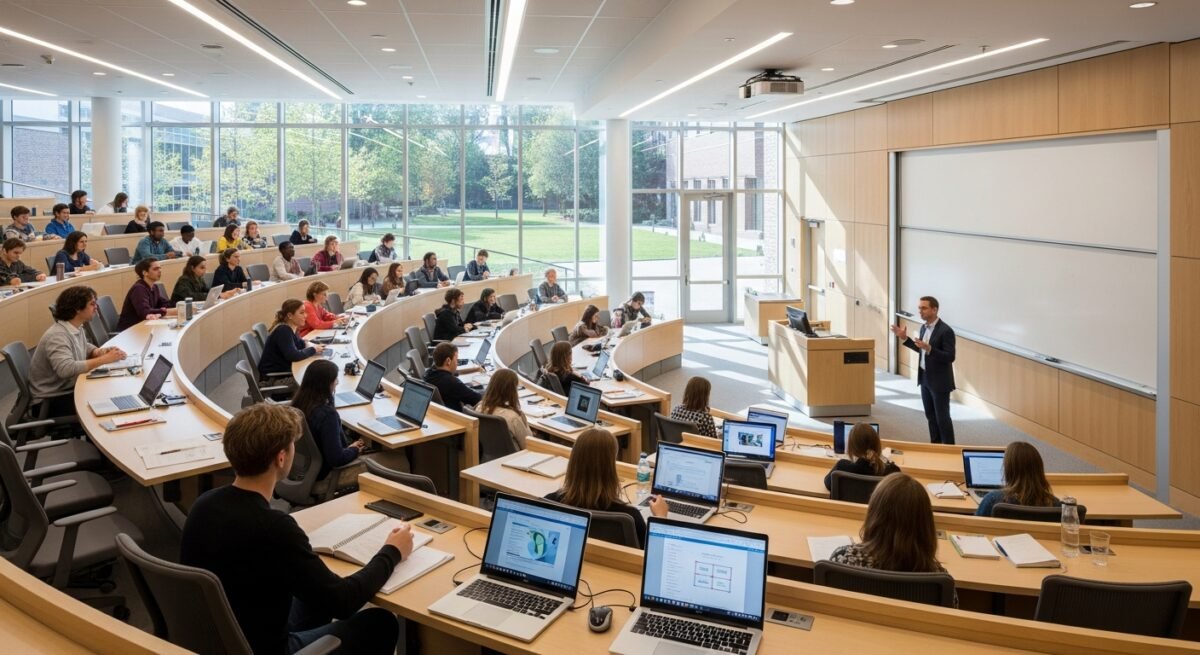
The fundamental strength of an in-class degree program lies in its structured, interactive environment. This setting facilitates a dynamic exchange of ideas that is often more challenging to achieve virtually. The immediacy of face-to-face discussion with professors and peers allows for spontaneous questioning, nuanced debate, and real-time feedback, which can deepen comprehension and critical thinking skills. The physical campus itself acts as a dedicated ecosystem for learning, removing the distractions of home or work life and creating a psychological space focused solely on academic growth. For many learners, this separation is crucial for maintaining discipline and achieving a state of deep focus.
Furthermore, the benefits extend beyond the lecture hall. The daily rhythm of campus life, from study groups in the library to impromptu conversations after class, builds a strong sense of community and belonging. This network becomes a vital professional resource. The relationships forged during office hours, lab sessions, and campus activities often evolve into lifelong mentorships and career connections. As explored in our guide on navigating educational degree programs, these organic, in-person interactions are a cornerstone of the traditional college experience, offering intangible value that is difficult to quantify but immensely impactful on a student’s trajectory.
Ideal Candidates for In-Person Education
While online degrees offer a fantastic solution for many, certain students will find their goals best served by an on-campus program. Individuals who thrive on direct social interaction and structured routines typically excel in a traditional classroom. Hands-on learners in fields requiring physical presence—such as laboratory sciences, fine arts, performance, clinical healthcare, and skilled trades—are almost always better served by in-person programs where equipment, studios, and facilities are readily accessible.
Recent high school graduates transitioning to adulthood often benefit immensely from the residential college experience, which provides a supportive environment for developing independence, social skills, and personal identity. Similarly, career-changers seeking a complete immersion in a new field may find the total focus of a full-time, on-campus program accelerates their transition. It is also worth considering personal learning styles; if you find it challenging to stay motivated in self-paced settings or learn best through dialogue and demonstration, an in-class format may be the more effective choice for academic success.
The Evolution of the Modern Campus Experience
Today’s in-class degree programs are not the rigid, lecture-only models of the past. Institutions have thoughtfully integrated technology to enhance, not replace, the physical learning experience. Classrooms are now smart hubs equipped with interactive displays, simulation software, and collaborative tools that bridge the gap between analog and digital. The flipped classroom model is a prime example of this evolution: students review lecture materials online at their own pace, then use precious in-class time for applied problem-solving, group projects, and detailed discussions with the instructor.
This hybrid approach maximizes the value of face-to-face meetings. Furthermore, curriculum design has become more interdisciplinary and experiential. Many programs now incorporate co-ops, internships, community-based projects, and research opportunities directly into the degree requirements, leveraging the campus’s physical connection to local industries and organizations. This ensures that theoretical knowledge is constantly tested and applied in real-world contexts, making graduates more job-ready. For a look at the alternative path, our resource on web-based degree programs details how digital platforms achieve similar goals through different means.
Evaluating Costs and Maximizing Value
The financial commitment of an in-person degree is often higher than its online counterpart, factoring in tuition, housing, meals, transportation, and sometimes relocation. This significant investment necessitates a strategic approach to ensure a strong return. The key is to look beyond the price tag and assess the total value proposition. Consider the following elements that contribute to the return on investment of a traditional degree:
- Access to Premium Facilities: State-of-the-art labs, research libraries, performance venues, and athletic centers that are included in campus fees.
- Career Services & Recruitment: On-campus job fairs, employer networking events, and personalized career counseling with high-touch support.
- Alumni Network Strength: The density and engagement of a program’s local and global alumni community for mentorship and job placement.
- Immersive Student Life: Leadership opportunities in student government, clubs, and organizations that build soft skills and a robust resume.
To manage costs, students must be proactive. Thoroughly researching institutional, state, and federal financial aid is essential. Fill out the FAFSA early and explore every avenue for grants and work-study programs. Many universities offer significant merit-based scholarships for high-achieving students. Additionally, seeking external scholarships from community organizations, foundations, and corporations can substantially reduce the burden. A comprehensive resource for this search is the Scholarship & Financial Aid Resources portal, which aggregates opportunities to help fund your education. For some, starting at a community college for general education requirements before transferring to a four-year institution can be a cost-effective pathway to a traditional degree.
Making the Decision: Key Factors to Weigh
Choosing between an in-class, online, or hybrid program is a highly personal decision that should align with your life circumstances, learning preferences, and professional ambitions. Begin by conducting an honest self-assessment of your learning style, discipline, and social needs. Do you need the structure of a set schedule and a physical place to go? Do you learn best by listening and discussing in real time?
Next, scrutinize your prospective programs beyond their brochures. When visiting campuses or speaking with admissions counselors, ask pointed questions about class sizes, faculty accessibility, internship placement rates, and the specific support services available for students. Investigate the strength of the department in your chosen major and the success of its graduates. Ultimately, the right in-class degree program will feel like a partnership–an environment that not only imparts knowledge but also challenges you, supports your growth, and connects you to a community that will propel you forward long after graduation. The investment is substantial, but for those who engage fully with everything a residential campus offers, the dividends in education, experience, and opportunity can be profound and lasting.
As higher education continues to diversify, the classic in-person degree remains a powerful and transformative model. It provides a structured, immersive, and community-rich journey that shapes both intellect and character. By carefully considering your goals, learning style, and resources, you can determine if this traditional path is the right engine for your future success, ensuring your educational investment yields the deepest possible returns in knowledge, connections, and personal growth.