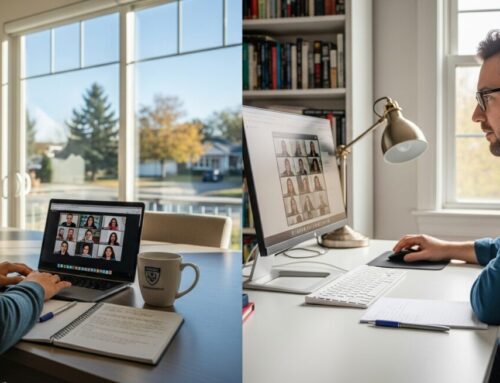
Maryland has become a leading state for flexible higher education, with public universities and private colleges alike investing heavily in fully online degree pathways. Whether you are a working professional seeking career advancement, a parent balancing family responsibilities, or a student looking for an affordable route to a bachelor’s degree, the options available through Maryland colleges offering online degree pathways are both diverse and high-quality. These programs allow you to earn a respected credential without relocating or sacrificing your current job. In this guide, we explore the top institutions, the most in-demand fields of study, and practical strategies for financing your online education.
Why Choose an Online Degree in Maryland?
Maryland’s higher education system is known for academic rigor and strong connections to government agencies, healthcare systems, and technology firms. By enrolling in a Maryland online program, you gain access to faculty who often work in nearby federal agencies or research institutions. The state’s commitment to digital learning means that many programs offer the same curriculum, faculty, and diploma as their on-campus equivalents. For students seeking affordable Maryland colleges with low-cost degree programs, online options can significantly reduce expenses related to commuting, housing, and campus fees.
Another compelling reason is flexibility. Online degree pathways from Maryland institutions typically allow you to study asynchronously, meaning you can watch lectures and complete assignments on your own schedule. This is particularly valuable for adult learners who need to balance coursework with full-time employment. Additionally, many Maryland colleges offer accelerated terms, enabling motivated students to finish a bachelor’s degree in three years or a master’s degree in twelve months.
Top Maryland Colleges Offering Online Degree Pathways
Several Maryland institutions have earned national recognition for their online programs. Below are the most prominent options, each with distinct strengths and target audiences.
University of Maryland Global Campus (UMGC)
UMGC is one of the largest public online universities in the United States, founded specifically to serve adult learners and military personnel. It offers more than 90 fully online programs, including associate, bachelor’s, master’s, and doctoral degrees. Popular majors include cybersecurity, data analytics, business administration, and nursing. UMGC’s tuition is competitive, and it provides substantial transfer credit for prior learning, including military training and professional certifications. Many courses are eight weeks long, allowing students to progress quickly.
University of Maryland, College Park (UMD)
UMD’s online offerings include graduate certificates and master’s degrees in fields like engineering, public health, and information science. While fewer undergraduate degrees are available fully online, UMD provides a robust selection of hybrid and distance options. The university’s reputation as a flagship research institution adds significant value to any online credential. Students benefit from access to the same faculty who teach on campus and to career services that connect them with employers in the Washington, D.C., metropolitan area.
Towson University
Towson offers several online bachelor’s completion programs, ideal for students who have earned an associate degree or completed some college credits. Majors include nursing (RN to BSN), business administration, and interdisciplinary studies. Towson’s online programs emphasize collaboration through virtual discussion boards and group projects. The university also provides dedicated online advising and technical support to ensure students stay on track.
Morgan State University
As a historically Black university with a strong research focus, Morgan State provides online graduate programs in public health, engineering, and business administration. Its online MBA is particularly popular among professionals seeking leadership roles in urban development and public policy. Morgan State’s programs incorporate real-world case studies and community engagement projects, even in the virtual format.
Community Colleges of Maryland
Maryland’s robust community college system, including institutions like Montgomery College, Prince George’s Community College, and Anne Arundel Community College, offers extensive online associate degrees and certificate programs. These are among the most affordable options available, often costing less than $200 per credit hour. Many community colleges have guaranteed transfer agreements with four-year Maryland universities, allowing students to complete the first two years online at low cost and then transfer seamlessly to a bachelor’s program.
Fields of Study Available Through Online Pathways
Maryland colleges offering online degree pathways cover a broad spectrum of academic disciplines. The most popular and in-demand fields include:
- Healthcare and Nursing: RN to BSN programs, health administration, public health, and medical coding certificates.
- Business and Management: Online MBAs, project management, supply chain logistics, and entrepreneurship.
- Technology and Cybersecurity: Data science, information assurance, software development, and IT project management.
- Education: Master of Arts in Teaching, special education endorsements, and instructional technology.
- Public Service: Criminal justice, homeland security, emergency management, and nonprofit leadership.
These fields were selected based on labor market demand in Maryland and surrounding states. For example, cybersecurity is particularly strong due to the proximity of federal agencies like the National Security Agency and the Department of Defense. Healthcare programs benefit from the state’s large hospital systems and aging population. When choosing a major, consider both your personal interests and regional job growth projections.
Before committing to a program, research whether the degree leads to professional licensure or certification in your state. Some online programs include clinical placements or practicum hours that must be completed locally. Maryland institutions typically have dedicated placement coordinators to help out-of-state students arrange these requirements near their home.
How to Finance Your Online Degree
Cost is one of the biggest concerns for prospective online students. However, Maryland colleges offering online degree pathways provide several ways to make education affordable. Start by filing the Free Application for Federal Student Aid (FAFSA) to determine eligibility for federal grants, work-study programs, and low-interest student loans. Many Maryland institutions also offer institutional scholarships specifically for online learners. For a deeper look at financial strategies, refer to our strategic guide to college e-degree programs, which covers budgeting, employer tuition reimbursement, and scholarship searching.
Employer tuition assistance is another powerful resource. Many companies, especially those in the technology and healthcare sectors, offer annual education benefits ranging from $3,000 to $10,000. Check with your human resources department about eligibility requirements. Maryland also participates in regional tuition reciprocity agreements, which may reduce costs for students living in nearby states.
Military members and veterans should explore tuition assistance programs through the Department of Defense and the Post-9/11 GI Bill. UMGC and several other Maryland schools are military-friendly and offer reduced tuition rates for active-duty service members. Additionally, Maryland’s state-based 529 savings plan, Maryland College Investment Plan, can be used for online programs and offers tax benefits for state residents.
Frequently Asked Questions
Are online degrees from Maryland colleges respected by employers?
Yes, as long as the institution is regionally accredited. All the colleges mentioned in this article hold regional accreditation from the Middle States Commission on Higher Education. Employers increasingly value online degrees from established universities, especially when the diploma does not distinguish between online and on-campus formats.
How long does it take to complete an online degree in Maryland?
An associate degree typically takes two years of full-time study, while a bachelor’s degree takes four years. Accelerated programs, such as those offered by UMGC, can shorten this timeline. Many online programs also allow part-time enrollment, extending the duration but offering greater flexibility.
Can I transfer credits from another institution to a Maryland online program?
Most Maryland colleges accept transfer credits from regionally accredited institutions. UMGC is particularly generous, accepting up to 90 transfer credits toward a bachelor’s degree. Community college credits often transfer seamlessly through articulation agreements.
Do online students have access to career services?
Yes. Maryland colleges typically provide online students with virtual career counseling, job boards, resume reviews, and networking events. Many also host virtual career fairs with employers specifically seeking candidates with online degrees.
Next Steps for Prospective Students
Choosing the right online degree pathway requires careful research and planning. Start by identifying your academic and career goals, then compare programs based on cost, accreditation, curriculum, and support services. Reach out to admissions counselors at the schools you are considering; they can provide detailed information about application deadlines, prerequisite courses, and financial aid. Many Maryland colleges also offer free online application weeks or waived application fees for certain programs.
If you are still exploring your options, consider using the resources at College & Tuition to compare tuition rates, read student reviews, and connect with schools that match your needs. For those ready to take the next step, exploring degree pathways for students can help you discover programs that align with your schedule and budget. Online education in Maryland is accessible, respected, and designed to fit modern life. With the right preparation, you can earn a degree that advances your career without putting the rest of your life on hold.
About the Author: William Harris