Deciding to pursue a graduate degree is a major career move, but the price tag can feel overwhelming. The cost of a master’s program in the United States varies wildly depending on the school, the field of study, and whether you attend in person or online. Without a clear strategy, many students take on more debt than they can comfortably manage. This article serves as your Master Degree Cost in the US and Budget Planning Guide, helping you understand the real numbers and build a financial plan that works for your life.
Graduate tuition costs have risen steadily over the past decade, but that does not mean a master’s degree is out of reach. The key is to research programs thoroughly, understand all the fees involved, and identify funding sources early. By taking a strategic approach, you can find a program that offers a strong return on investment without sacrificing your financial health.
Breaking Down the Real Cost of a Master’s Degree
When people search for the master degree cost in usa, they often only look at tuition. However, the total cost of attendance includes several other critical expenses. Tuition and fees are the largest portion, but you must also account for housing, food, textbooks, transportation, and health insurance. Public universities typically offer lower tuition for in-state residents, while private universities charge a flat rate regardless of residency.
For example, a Master of Business Administration (MBA) from a top-tier private school can cost over $120,000 in tuition alone. In contrast, a master’s degree in education from a public university might cost $30,000 to $50,000 for the entire program. The mba price in usa is particularly high at elite institutions, but many regional universities offer quality programs at a fraction of the cost. You should always check the program’s net price calculator to get a personalized estimate.
Hidden Fees and Unexpected Expenses
Beyond tuition, universities charge a range of mandatory fees. These can include technology fees, student activity fees, lab fees, and graduation fees. Some programs also require travel for residencies or internships. It is essential to read the fine print on the school’s website or request a detailed cost breakdown from the financial aid office. A few thousand dollars in additional fees can significantly impact your budget.
Another often-overlooked cost is the opportunity cost of not working full time. If you plan to study full time, you may need to reduce your work hours or leave your job entirely. This loss of income is a real expense that should factor into your decision. Part-time and online programs allow you to continue working, which can make a huge difference in your overall financial picture.
Comparing Program Types: Online vs. On-Campus
The format of your master’s program has a major influence on the total cost. On-campus programs often come with higher tuition and additional living expenses, especially if you move to an expensive city. Online programs, on the other hand, typically charge lower tuition and eliminate commuting and housing costs. Many students now choose online options specifically to reduce the master degree cost in usa.
When comparing programs, look at the cost per credit hour. A traditional on-campus program might charge $1,500 per credit hour, while an online version of the same degree could be $800 per credit hour. Over a 36-credit program, that difference adds up to $25,200. However, be sure the online program is accredited and respected in your field. Some employers still prefer degrees from established brick-and-mortar institutions.
For many professionals, the most affordable path is a hybrid model. You take most courses online but attend a few intensive weekends or summer sessions on campus. This approach gives you flexibility while still providing networking opportunities. If you are researching the mba price in usa, you will find that many schools now offer online or executive MBA programs that are significantly cheaper than their full-time residential programs.
Funding Your Graduate Education
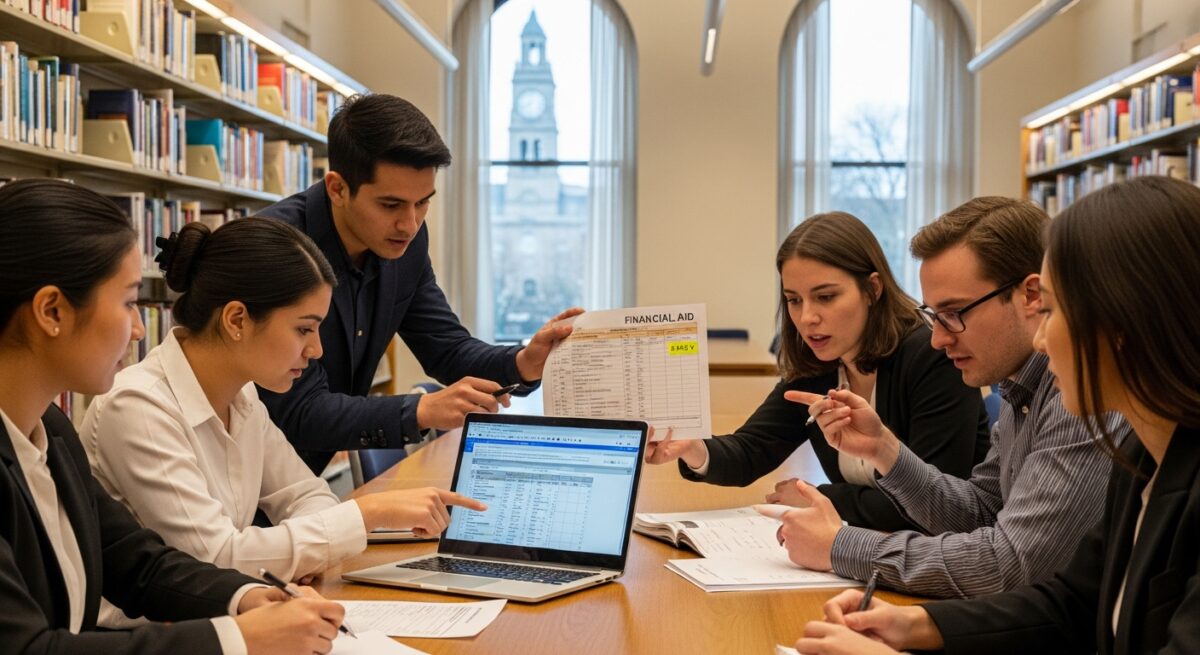
Covering the cost of a master’s degree requires a mix of funding sources. The first step is to complete the Free Application for Federal Student Aid (FAFSA). Even if you think you earn too much, you may qualify for federal student loans or work-study programs. Federal loans often have lower interest rates and better repayment options than private loans.
Scholarships and grants are the best form of aid because they do not need to be repaid. Many universities offer merit-based scholarships for graduate students based on GPA or test scores. Professional organizations and foundations also provide funding for specific fields like nursing, engineering, or social work. You can also explore employer tuition reimbursement programs. Many companies will pay for a portion of your graduate degree if the program is related to your job.
If you still have a gap after scholarships and employer aid, federal student loans are a reasonable option. Be cautious with private loans, which often have variable interest rates and fewer protections. Always borrow only what you absolutely need and have a plan for repayment. For a deeper look at affordable options, check out our guide on cheapest master degree programs and cost planning to find schools that deliver strong value.
Creating a Realistic Budget
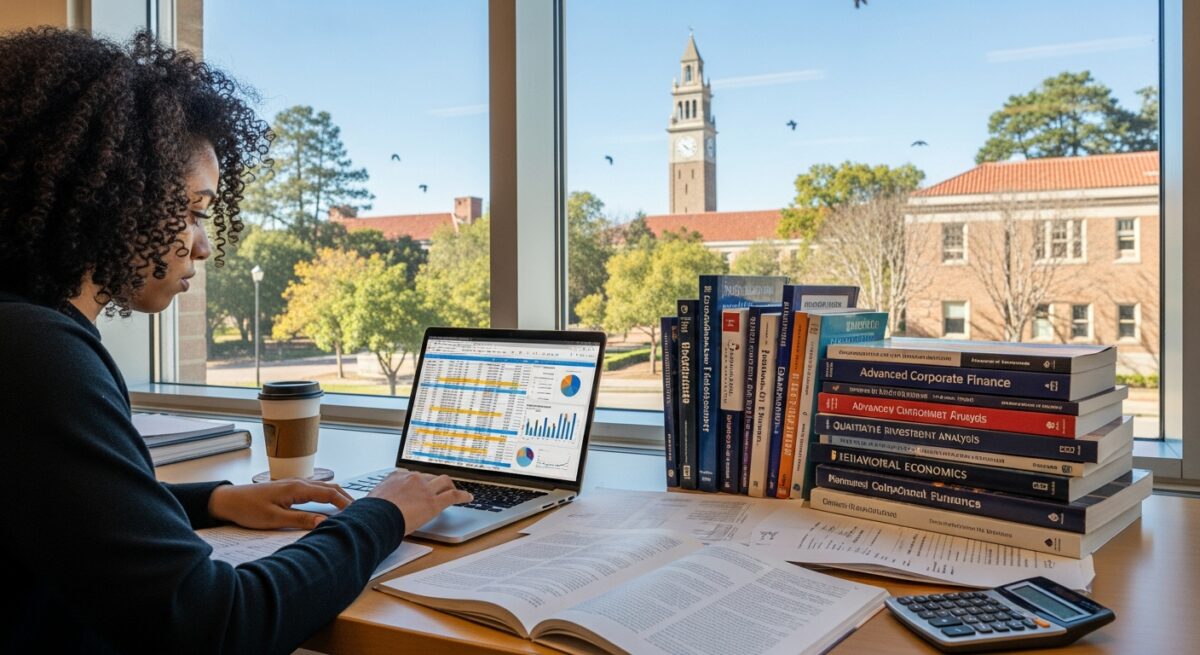
Building a budget for graduate school is different from budgeting for an undergraduate degree. Your income may be higher, but your expenses may also be more complex. Start by listing all your expected monthly expenses, including rent, utilities, groceries, transportation, insurance, and loan payments. Then, estimate your monthly income from work, savings, and any financial aid you will receive.
Here are four key steps to build a graduate school budget that actually works:

- Track your current spending for three months. Use a budgeting app or a simple spreadsheet to see where your money goes. This gives you a baseline for creating a realistic graduate school budget.
- Estimate your total cost of attendance. Include tuition, fees, books, housing, food, transportation, and personal expenses. Use the official cost of attendance from your school as a starting point.
- Identify all income sources. List your salary (if working), savings, scholarships, grants, and loan amounts. Be honest about how much you can earn while studying.
- Create a monthly budget and stick to it. Subtract your expenses from your income. If you have a deficit, look for ways to cut costs or increase income before the program starts.
Once you have a budget, review it every semester. Your expenses will change as you buy textbooks or travel for internships. Adjusting your budget regularly prevents surprise debt. Many students find that living with roommates, cooking at home, and using public transportation can save thousands of dollars over the length of a two-year program.
Tools to Simplify Your Planning
You do not have to do this alone. Several online tools can help you compare graduate tuition costs and estimate your monthly loan payments. The Department of Education’s College Scorecard is a free resource that shows average costs and graduation rates for every program in the country. You can also use the net price calculator on each school’s website to get a personalized estimate based on your financial situation.
For those looking to explore specific programs, collegedegree.education offers a directory of accredited schools that can help you compare options side by side. Using these tools early in your search will help you narrow down programs that fit both your academic goals and your budget. Remember, the cheapest program is not always the best value. Consider graduation rates, job placement statistics, and alumni earnings when making your final decision.
Long-Term Financial Impact
Graduate school debt can affect your life for years after you graduate. High monthly payments can delay buying a home, starting a family, or saving for retirement. That is why it is critical to think about the return on investment (ROI) of your degree. A master’s degree in a high-demand field like nursing, computer science, or data analytics can lead to a significant salary increase that justifies the cost. In contrast, a degree in a field with lower starting salaries may not be worth taking on heavy debt.
Consider the average starting salary for graduates in your field. If the program costs $60,000 and graduates earn an average of $70,000 per year, the payback period is reasonable. But if the program costs $100,000 and the average starting salary is only $50,000, you may struggle to repay your loans. Always look up salary data from the Bureau of Labor Statistics or professional associations in your industry.
Another factor is the length of your repayment plan. Standard federal loan repayment is ten years, but you can choose income-driven repayment plans that cap your payments at a percentage of your income. These plans can lower your monthly payment but may extend the repayment term to 20 or 25 years. Weigh the pros and cons carefully, as longer terms mean you pay more interest over time.
Frequently Asked Questions
What is the average master degree cost in USA?
The average cost of a master’s degree in the United States ranges from $30,000 to $120,000 depending on the school and program. Public universities for in-state students are typically the most affordable, while private universities and elite programs are the most expensive. Online programs often fall in the middle range.
How can I reduce the mba price in usa?
You can reduce the cost of an MBA by choosing a public university, applying for scholarships, seeking employer tuition reimbursement, or selecting an online or part-time program. Many schools also offer graduate assistantships that provide a tuition waiver in exchange for work.
Are there any ways to pay for graduate school without loans?
Yes. You can fund your degree through scholarships, grants, employer tuition assistance, and personal savings. Some students also work as teaching or research assistants to cover tuition. Federal work-study programs are another option for eligible students.
Is graduate tuition costs higher for out-of-state students?
At public universities, out-of-state students typically pay significantly higher tuition than in-state residents. However, some public schools offer in-state rates for online students or for students who establish residency after one year. Private universities charge the same rate for all students regardless of state residency.
Final Thoughts on Planning Your Investment
Earning a master’s degree is a significant financial decision, but it can be a smart one when approached with careful planning. This Master Degree Cost in the US and Budget Planning Guide has shown you that the true cost goes beyond tuition and that there are many ways to fund your education. By researching programs, creating a detailed budget, and exploring all funding sources, you can minimize debt and maximize the value of your degree.
Take the time to compare programs and use available tools to estimate your total expenses. Every dollar you save through scholarships or a lower-cost program is a dollar you will not have to pay back later. With a solid plan, you can earn a graduate degree that advances your career without derailing your financial future.
About the Author: Sophia Clark