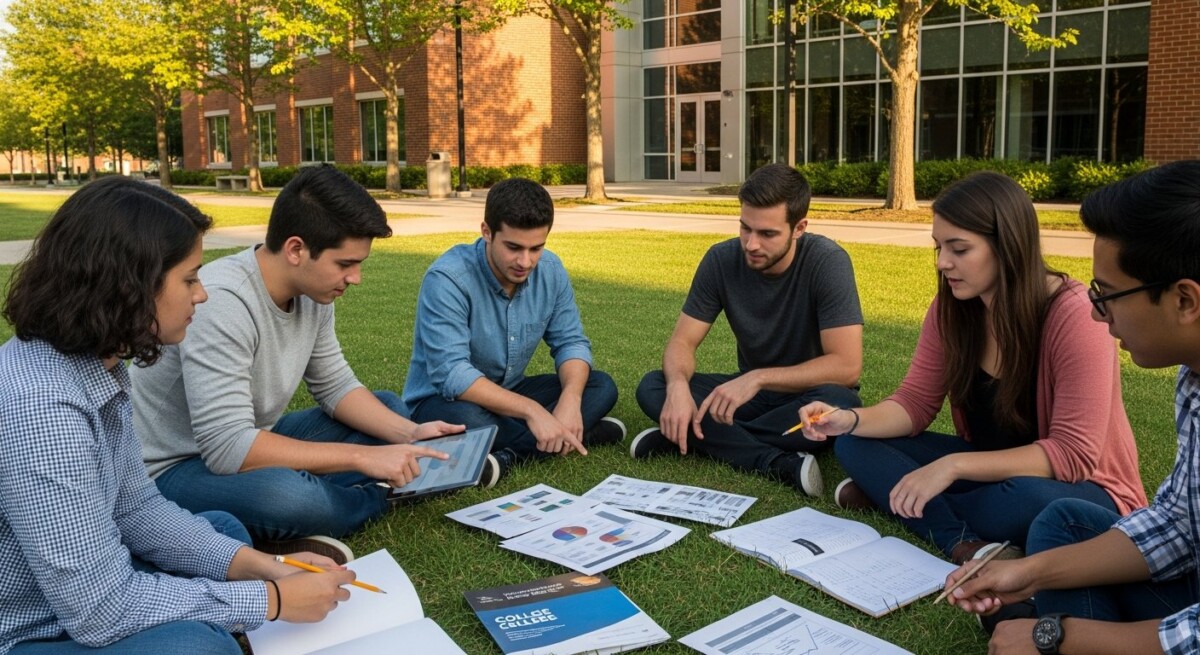
If you are planning to attend a college or university in Minnesota, the first question on your mind is likely about cost. Understanding the Minnesota average tuition for higher education institutions is not just a matter of comparing price tags. It is about making an informed decision that balances your academic goals with your financial reality. Whether you are a high school student looking at public universities, a working adult considering a private college, or a parent helping your child navigate the FAFSA, knowing what the typical tuition looks like across the state can help you build a realistic budget and avoid unnecessary debt.
Minnesota offers a diverse range of higher education options, from large public research universities to small private liberal arts colleges and community colleges. Each type of institution has a different cost structure, and the Minnesota average tuition for higher education institutions varies significantly based on residency, program of study, and institutional category. This article breaks down the latest tuition data, explains why costs differ, and provides actionable strategies to make college more affordable.
Public University Tuition in Minnesota
Public universities in Minnesota are generally the most affordable option for state residents. The University of Minnesota system, which includes the flagship Twin Cities campus along with campuses in Duluth, Crookston, Morris, and Rochester, charges different rates for in-state and out-of-state students. For the 2024-2025 academic year, the average in-state tuition and fees at the University of Minnesota Twin Cities is approximately $15,600 per year. Out-of-state students pay significantly more, with average costs exceeding $35,000 annually.
Minnesota State University, Mankato, St. Cloud State University, and other institutions within the Minnesota State system also offer competitive rates. The average in-state tuition for these regional public universities ranges from $9,500 to $11,000 per year. These schools are often overlooked by students who assume that the flagship campus is their only option, but they provide excellent academic programs at a fraction of the cost. Community colleges in the Minnesota State system, such as Normandale Community College and Century College, charge even lower rates, with average tuition around $5,500 per year for in-state students.
One important factor to consider is that published tuition rates are not always what students actually pay. Many students receive grants, scholarships, or tuition waivers that lower their net cost. For a deeper look at why tuition has risen over time and what drives those increases, you can read our guide on the real reasons college tuition is so high today.
Private College and University Costs
Minnesota is home to many well-regarded private colleges and universities, including Carleton College, Macalester College, St. Olaf College, and the University of St. Thomas. These institutions typically have higher sticker prices than public universities, but they also offer generous financial aid packages. The average tuition at private nonprofit four-year colleges in Minnesota is around $45,000 per year. However, after accounting for institutional grants and scholarships, the average net price paid by students is closer to $25,000 to $30,000.
Private colleges often use a practice called tuition discounting, where they offer significant scholarships to attract students. For example, a student might receive a $20,000 merit scholarship, bringing the effective tuition down to a level that is competitive with out-of-state public university rates. This is why it is critical to look beyond the published price and focus on the net price after financial aid. Many families assume that private colleges are out of reach, but a careful comparison of financial aid offers can reveal surprising affordability.
Comparing Private vs. Public Costs
When deciding between a public and private institution, consider not just tuition but also the total cost of attendance, which includes room and board, books, transportation, and personal expenses. At a public university in Minnesota, the total cost of attendance for an in-state student living on campus can range from $22,000 to $28,000 per year. At a private college, the total cost of attendance can be $55,000 or more before financial aid. However, if a private college meets 100 percent of demonstrated need through grants and scholarships, the net cost may actually be lower than at a public university.
For students who are interested in understanding why private college tuition is higher than public university tuition in general, our article on why private college tuition is higher than public universities provides a detailed explanation of the economic factors at play.
Factors That Influence Tuition Rates
Several key factors determine the Minnesota average tuition for higher education institutions. These include state funding levels, institutional mission, program costs, and student demand. Public universities rely on state appropriations to keep tuition low for residents. When state funding decreases, tuition tends to rise. Over the past decade, Minnesota has maintained relatively stable funding compared to some other states, which has helped keep tuition increases moderate.
Program costs also vary by field of study. Engineering, nursing, and business programs often have higher tuition rates because they require specialized equipment, clinical placements, or faculty with industry experience. In contrast, liberal arts and humanities programs tend to have lower tuition. Some universities charge a flat rate per semester regardless of major, while others add differential fees for specific programs. Always check the tuition breakdown for your intended major before making a decision.
Institutional mission plays a role as well. Research universities invest heavily in laboratories, libraries, and faculty research, and these costs are reflected in tuition. Community colleges, by contrast, focus on teaching and workforce training, which allows them to keep costs lower. Online programs may also have different tuition structures, sometimes offering lower rates for out-of-state students.
Financial Aid and Scholarship Opportunities
Understanding the Minnesota average tuition for higher education institutions is only half the equation. The other half is knowing how to pay for it. Minnesota residents have access to several state-based financial aid programs, including the Minnesota State Grant, which is a need-based grant that can be used at public and private colleges in the state. The grant amount depends on family income, cost of attendance, and enrollment status. For the 2024-2025 academic year, the maximum grant is approximately $14,000 per year.
In addition to state grants, students should apply for federal aid through the FAFSA. Federal Pell Grants, Federal Work-Study, and Direct Loans are available to eligible students. Many colleges also offer institutional scholarships based on merit, talent, or specific criteria such as community service or leadership. Here are some key steps to maximize your financial aid:
- Complete the FAFSA as early as possible after October 1 each year to meet priority deadlines.
- Research and apply for private scholarships through local organizations, employers, and national databases.
- Compare financial aid award letters from multiple schools to understand the true net cost.
- Contact the financial aid office if your family’s financial circumstances have changed significantly.
- Consider attending a community college for two years and then transferring to a four-year university to save on tuition.
Each of these strategies can significantly reduce your out-of-pocket costs. For example, a student who completes an associate degree at a community college and transfers to a public university can save $10,000 to $15,000 over the first two years. Many Minnesota community colleges have guaranteed transfer agreements with four-year institutions, making this a seamless pathway.
Out-of-State and International Student Considerations
If you are coming to Minnesota from another state or country, you will face higher tuition rates. Out-of-state tuition at public universities in Minnesota is typically two to three times the in-state rate. However, some institutions offer reciprocity agreements with neighboring states. Minnesota has a tuition reciprocity agreement with Wisconsin, North Dakota, South Dakota, and the Canadian province of Manitoba. Under these agreements, students from those regions may qualify for reduced tuition rates that are closer to in-state levels.
International students do not have access to state-based financial aid, but they may be eligible for institutional scholarships. Some private colleges in Minnesota are need-blind for international students, meaning they do not consider ability to pay during admissions. However, competition for these scholarships is intense. It is important to factor in the cost of health insurance, housing, and travel when budgeting as an international student.
Frequently Asked Questions
What is the average tuition for a four-year public university in Minnesota?
For the 2024-2025 academic year, the average in-state tuition and fees at a four-year public university in Minnesota is approximately $10,500 to $15,600, depending on the institution. Out-of-state tuition ranges from $25,000 to $35,000.
Is community college in Minnesota free?
Minnesota does not have a universal free community college program, but the Minnesota State Grant and other need-based aid can cover full tuition for low-income students. Some specific programs, such as the North Star Promise program, provide free tuition for eligible Minnesota residents with family incomes below certain thresholds.
How does Minnesota’s tuition compare to the national average?
Minnesota’s public university tuition is slightly above the national average for in-state residents but below the average for out-of-state students. Private college tuition in Minnesota is generally on par with the national average for private institutions.
Can I get a tuition refund if I withdraw from classes?
Each institution has its own refund policy. Most colleges offer a full or partial refund if you withdraw within the first few weeks of the semester. After that period, refunds are typically prorated or not available. Check your school’s academic calendar and refund schedule carefully.
For students who want to explore a wide range of degree options and find programs that fit their budget, the academic degree resources available online can help you compare programs, understand admission requirements, and connect with schools that match your goals. Using these tools can save you time and ensure you are considering all of your options.
Ultimately, the Minnesota average tuition for higher education institutions is a starting point, not a final number. By researching financial aid, comparing schools, and planning ahead, you can find a path to a degree that is both academically rewarding and financially sustainable. Whether you choose a public university, a private college, or a community college, the key is to start early, ask questions, and use every resource available to you.
About the Author: Michael Grant