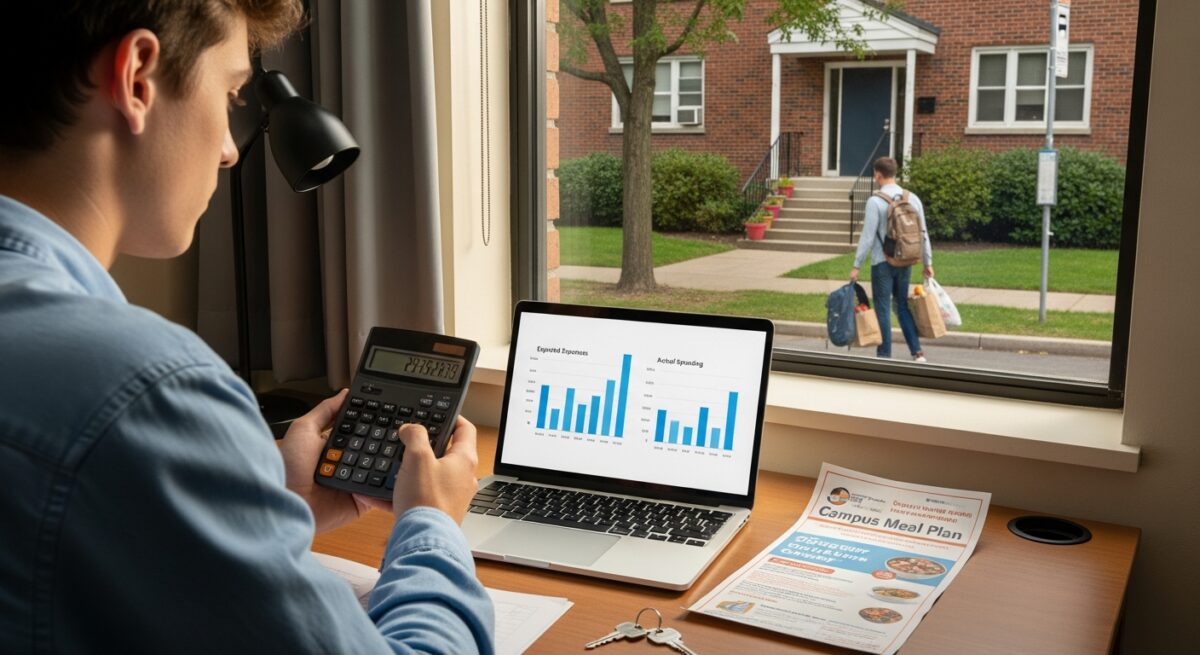
Deciding where to live during college is one of the most financially consequential choices you will make. The debate around the cost of living on campus vs off campus often leaves students and parents weighing convenience against potential savings. While on-campus housing offers a predictable, all-inclusive package, off-campus living can provide more space and autonomy but also introduces variable expenses. To answer the question of which is more affordable, you must look beyond the monthly rent and consider utilities, food, transportation, and hidden fees. This article breaks down the real numbers and trade-offs so you can choose the option that best fits your budget and lifestyle.
Breaking Down the Costs of On-Campus Living
On-campus housing typically comes as a bundled package. The college sets a flat rate for the semester or academic year that covers the room and often a meal plan. At first glance, this simplicity is appealing, but the sticker price can be high. According to the College Board, the average cost for on-campus room and board at public four-year institutions was over $12,000 per academic year in 2023-2024. Private universities can charge significantly more, sometimes exceeding $15,000 or even $20,000.
Beyond the base price, on-campus living includes amenities that are already embedded in the cost. Utilities such as electricity, water, internet, and trash removal are included. There is no need to buy furniture or appliances, and maintenance requests are handled by the school. Meal plans are mandatory for most on-campus residents, and while they offer convenience, they can be expensive if you do not eat all the meals. Some plans cost upwards of $5,000 per year, and students often waste money on uneaten swipes or dining dollars that expire.
Another factor is the limited variability. You cannot negotiate your room rate or choose a cheaper meal plan tier in the same way you can shop for an apartment. On-campus housing also requires a housing deposit (often refundable) and may have additional fees for early arrival, late stay, or damage charges. For students who prefer cooking their own food or living in a less structured environment, the forced meal plan can feel like an overpriced necessity. However, for those who value proximity to classes and a built-in social community, these costs may be justified.
Understanding Off-Campus Housing Expenses
Off-campus living requires a more hands-on approach to budgeting. The primary cost is rent, which varies widely depending on the location of the college. In small college towns, a one-bedroom apartment might rent for $600 to $900 per month. In expensive urban areas, the same unit could cost $1,500 or more. Splitting a two- or three-bedroom apartment with roommates is the most common way to reduce the rent burden. With multiple roommates, per-person rent can drop to $400 to $700 per month, making it significantly cheaper than on-campus rates.
However, rent is only part of the equation. Utility bills for electricity, gas, water, internet, and trash are separate and can add $100 to $250 per month per person depending on usage and climate. Security deposits (usually one month’s rent) are required upfront, and you may need to furnish the apartment with furniture, kitchenware, and appliances. Transportation is another major variable. If you live within walking or biking distance to campus, you can avoid car costs. But many off-campus students need a car or public transit pass, adding fuel, insurance, maintenance, or monthly transit fees. Groceries are generally much cheaper than a meal plan, but you must plan and cook your own meals, which takes time and discipline.
Lease terms also differ. Most off-campus leases run 12 months, while the academic year is only 9 months. You may have to pay for summer months even if you go home or sublet the apartment. Subletting can be risky if you cannot find a replacement. Additionally, off-campus housing does not include the built-in support of a resident advisor (RA) or campus security, so you may need to budget for renter’s insurance (typically $10,$20 per month) and consider safety deposits and cleaning fees.
Hidden Costs and Trade-Offs
When comparing the cost of living on campus vs off campus, hidden costs often tilt the balance. On-campus living includes free access to campus amenities like the gym, library, and study lounges. Off-campus students may need to pay for separate gym memberships or transportation to access these facilities. On the other hand, off-campus students can save money by cooking in bulk, sharing resources with roommates, and avoiding expensive meal plan options.
Time is another hidden cost. Commuting to campus from an off-campus apartment takes time that could be used for studying or working a part-time job. If you drive, parking permits can cost hundreds of dollars per semester. If you take public transit, monthly passes add up. Many students find that the convenience of on-campus living allows them to take on more credits or extracurricular activities, which can indirectly improve graduation timelines and reduce overall tuition costs. For students who work part-time, a shorter commute means more hours available for work.
An often-overlooked factor is the flexibility of moving out early or switching housing. On-campus students are locked into the semester contract. If you decide to drop out, transfer, or move home, you may still be responsible for the entire housing fee. Off-campus leases typically have an early termination fee (usually one to two months’ rent), but you can sometimes sublet or negotiate with the landlord. However, breaking a lease can damage your credit or rental history.
Financial aid implications also differ. On-campus housing costs are included in the cost of attendance (COA) for federal student aid calculations, meaning you can receive larger loans or grants to cover room and board. Off-campus living expenses are also included in COA, but the amount is often capped at a standard budget set by the school, which may be lower than your actual rent. Students using GI Bill benefits or state grants should check whether off-campus housing allowances are adequate.
When Is Off-Campus Housing Cheaper?
Off-campus housing is generally cheaper than on-campus housing when you have multiple roommates and the rental market in the area is reasonable. For example, at a mid-sized public university in the Midwest, on-campus room and board might cost $11,000 per academic year. A shared apartment near campus could rent for $500 per person per month, with utilities and groceries adding another $250 per month, totaling $6,750 per year for 9 months. That is a savings of over $4,000 per year. Over four years, that difference could pay for a significant portion of tuition.
However, the equation flips in high-cost cities. In places like New York City, San Francisco, or Boston, on-campus housing may actually be cheaper than market-rate apartments. Many urban universities subsidize their dorms to keep them attractive. For instance, a single room in a New York City dorm might cost $1,800 per month with meals included, while a studio apartment in the same neighborhood could rent for $2,500 per month plus utilities and food. In such cases, on-campus living is the clear winner financially.
Another scenario where off-campus wins is when the landlord offers a 12-month lease and you stay in town during the summer. If you work a summer job locally, you can spread the rent over 12 months, effectively lowering the monthly burden. Conversely, if you go home for the summer, you pay for months you do not use. For those who stay, off-campus can be a better long-term investment.

To determine is off campus housing cheaper than on campus in your specific situation, follow this step-by-step comparison process:
- Get the total on-campus cost: Add the semester room fee and mandatory meal plan cost for the academic year. Include any housing deposit or administrative fees.
- Research off-campus rent: Check listings in the areas within a 15-minute walk or short bus ride from campus. Note the average rent per bedroom for apartments with roommates.
- Add utility estimates: Contact local utility companies or ask current renters for typical monthly bills for electricity, gas, water, and internet. Sum for 9,12 months.
- Calculate food costs: Estimate your grocery budget (many students spend $250,$400 per month) and compare it to the cost of a meal plan. Include eating out occasionally.
- Factor transportation: Add parking permits, gas and maintenance (if driving), or monthly transit passes. Convert commute time into opportunity cost if you could be working or studying.
- Include upfront and one-time costs: Security deposit, furniture, kitchen supplies, renter’s insurance, and application fees. Spread these over the lease term.
By running these numbers side by side, you will see the true difference. For many students, off-campus housing can save 20% to 40% compared to dorms, especially when roommates are involved. However, the savings come with added responsibility, such as managing bills and landlord relationships. If you prefer a hassle-free experience, on-campus might be worth the premium.
Making the Choice Based on Your Priorities
Affordability is not the only factor. The cost of living on campus vs off campus also includes lifestyle considerations. On-campus living offers immediate access to study groups, campus events, and dining halls. It is ideal for freshmen who want to build social connections and avoid the distractions of a private apartment. Off-campus living can be quieter, more private, and better for students who value independence or need to cook specific meals (e.g., for dietary restrictions).
From a financial planning perspective, think about your total debt load. If you are financing your education with loans, every dollar saved on housing reduces the amount you need to borrow. Off-campus living can lower your student loan balance by thousands of dollars over your college career. For a more detailed look at overall degree costs, including tuition and fees, check out our in-depth analysis of Online Degree Cost: Complete Tuition Guide for 2026 to understand how housing fits into the bigger picture.
Also consider the length of your program. If you are pursuing a two-year associate degree or a certificate, the difference between on- and off-campus housing may be smaller due to the shorter time frame. For a four-year bachelor’s degree, the cumulative savings from off-campus living can be substantial. Graduate students and older students often prefer off-campus for its flexibility and lower cost per square foot.
Finally, talk to current students at your school. Their real-world experiences can reveal pitfalls, like landlords who do not return deposits or dorms that are noisy. Use online forums, housing Facebook groups, or the college’s off-campus housing office to gather intel. The college’s financial aid office can also provide cost-of-attendance breakdowns for both on- and off-campus budgets.
Frequently Asked Questions
Is off campus housing cheaper than on campus housing in most cases?
Yes, off-campus housing is often cheaper when you have roommates and live in a moderate-cost area. However, in very expensive cities or for single occupancy, on-campus can be more affordable. The key is to compare total costs including rent, utilities, food, and transportation for your specific school location.
Do financial aid packages cover off-campus living expenses?
Yes, the cost of attendance (COA) for off-campus students includes a standard allowance for living expenses (room, board, and personal costs). However, the allowance may not match your actual rent if you live in a high-cost area. You can request a cost-of-attendance adjustment if your expenses exceed the standard budget.
What are the biggest hidden costs of off-campus living?
The biggest hidden costs are utilities (especially heating in cold climates), transportation (parking fees or transit passes), renters insurance, upfront deposits and furnishing, and the cost of a 12-month lease when the academic year is only 9 months. Also, cooking your own food requires time and initial kitchen supplies.
Can I save money by living with roommates off campus?
Absolutely. Splitting a two- or three-bedroom apartment can cut per-person rent by 30% to 50% compared to a single apartment. Just make sure to agree on how to split utilities and household chores to avoid conflicts. Roommates also allow you to purchase bulk groceries and share household items.
Is it cheaper to live on or off campus if I have a car?
Having a car often makes off-campus living more expensive due to parking permits, gas, insurance, and maintenance. Many on-campus students do not need a car because everything is within walking distance. If you must have a car, factor in annual parking costs (often $200,$600) and higher gas consumption for commuting.
For additional resources on managing college expenses, you can explore more strategies at Collegedegree.school.
Ultimately, the decision between on- and off-campus housing should be guided by a thorough budget analysis, your personal lifestyle preferences, and your academic goals. Run the numbers for your specific school, account for all hidden costs, and think about how much convenience is worth to you. Many students find that starting in a dorm for the first year provides a strong foundation, then moving off campus in later years to save money. Whichever path you choose, knowing the true cost of living on campus vs off campus will empower you to make a financially sound decision that supports your college journey.
About the Author: Olivia Martin