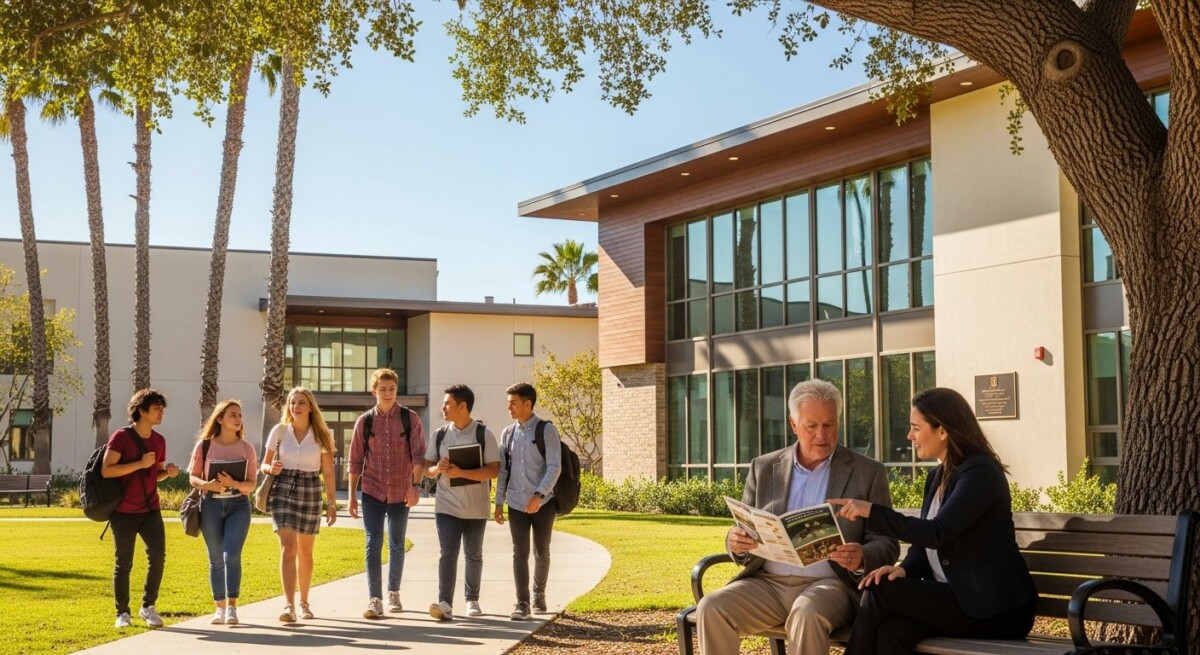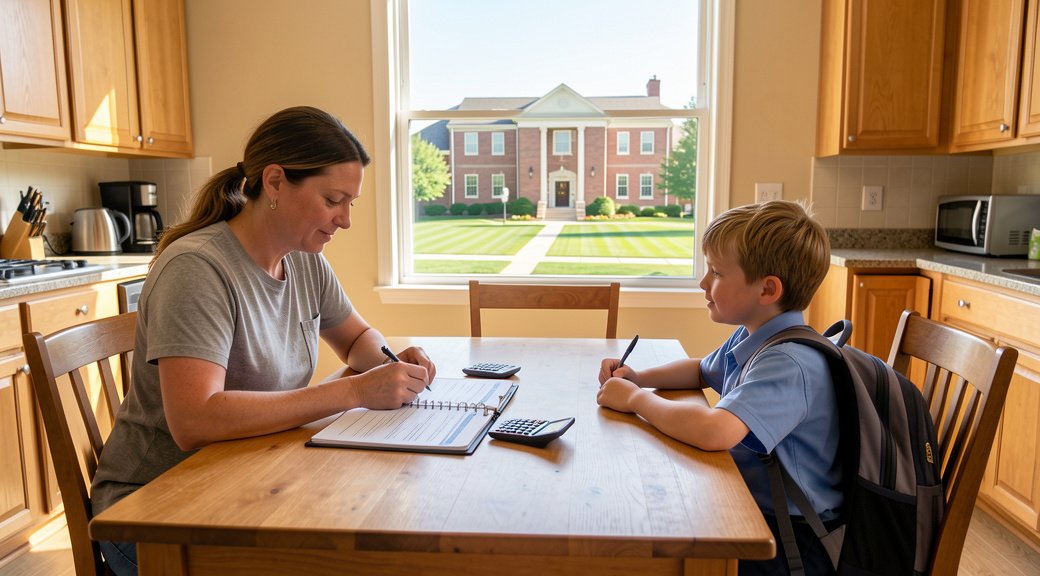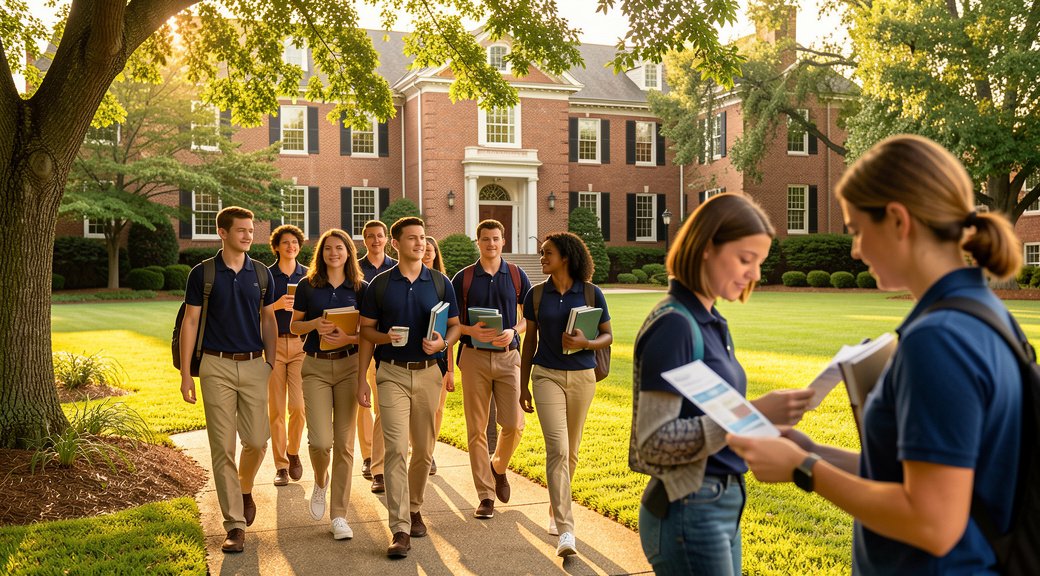
Families exploring school options in South Carolina’s capital often find themselves weighing the benefits of private education against the financial commitment it requires. Private education costs in Columbia, South Carolina vary widely depending on the institution, grade level, and additional fees that go beyond tuition. Understanding these expenses before applying can help families make informed decisions without financial strain.
Columbia offers a diverse range of private schools, from religious-affiliated institutions to college-preparatory academies. Each school structures its tuition differently, and many families are surprised by costs that extend beyond the base tuition price. This guide breaks down the typical expenses, financial assistance options, and strategies to manage private education costs in Columbia, South Carolina effectively.
Average Tuition Ranges Across Private Schools
Private school tuition in Columbia typically falls between $6,000 and $18,000 per year for elementary through high school. Preschool and kindergarten programs often cost less, while high school tuition tends to be higher due to advanced courses, extracurricular activities, and college counseling services. Some elite college-preparatory schools charge upwards of $20,000 annually, placing them among the most expensive options in the state.
Religious schools, such as those affiliated with Catholic, Baptist, or Methodist churches, generally offer lower tuition rates, often ranging from $5,000 to $10,000 per year. These schools may receive partial funding from their sponsoring organizations, which helps keep costs down. Independent secular schools, by contrast, rely entirely on tuition and donations, which can push their fees higher.
For a detailed comparison of how these costs stack up against other states, our analysis of Nevada college costs provides a useful benchmark for understanding regional differences in educational expenses.
Additional Fees Beyond Tuition
When calculating private education costs in Columbia, South Carolina, families must account for mandatory fees that are often not included in the advertised tuition. These can add 10 to 20 percent to the total annual expense.
Common Additional Expenses
Application and registration fees are typically non-refundable and range from $50 to $300 per student. Technology fees cover laptops, tablets, or software subscriptions that schools require for coursework. Athletic participation fees, lab fees for science courses, and fine arts program costs can each add several hundred dollars per year.
Uniforms are another significant expense. Many private schools in Columbia require specific uniforms that must be purchased from approved vendors. A full uniform set, including polo shirts, pants or skirts, blazers, and gym wear, can cost between $200 and $600 annually. Schools may also require dress uniforms for formal events or chapel services.
- Application and registration fees: $50 to $300, non-refundable
- Technology fees: $200 to $800 per year for devices and software
- Athletic and activity fees: $100 to $500 per sport or program
- Uniform costs: $200 to $600 for initial purchase and replacements
- Field trip and transportation fees: $100 to $400 annually
These fees can catch families off guard if they only budget for the base tuition. Requesting a complete fee schedule from each school before enrollment is a wise step to avoid surprise charges.
Tuition Payment Plans and Financial Aid Options
Most private schools in Columbia offer payment plans that allow families to spread tuition over 10 or 12 monthly installments rather than paying a lump sum at the start of the year. Some schools charge a small administrative fee for this service, but it can significantly ease cash flow pressures. A few institutions even offer discounts for families who pay the full year’s tuition upfront.
Need-based financial aid is available at many private schools, though the process varies by institution. Families typically submit financial documentation, such as tax returns and pay stubs, through a third-party service like FACTS or SSS. The school then determines aid eligibility based on income, assets, and family size. Aid amounts can range from a few thousand dollars to nearly full tuition coverage for qualifying families.
Merit-based scholarships are less common at the elementary level but become more available for middle and high school students. Schools may award these based on academic performance, standardized test scores, artistic talent, or athletic ability. Applying early is critical, as scholarship funds are often limited.
For families seeking broader strategies to manage educational expenses, exploring college tuition information can provide additional insights into long-term financial planning and savings options.
Comparing Private vs. Public School Costs in Columbia
Public schools in Richland County and Lexington School District Two, which serve the Columbia area, are funded by local property taxes and state allocations. They offer free education to residents, though families may incur costs for school supplies, extracurricular activities, and optional programs. The total out-of-pocket expense for public school typically ranges from $500 to $1,500 per year, depending on the child’s involvement in sports, arts, and field trips.
Private education costs in Columbia, South Carolina are substantially higher, but many families find value in smaller class sizes, specialized curricula, and a values-based environment. The average private school class size in Columbia is 12 to 16 students, compared to 20 to 25 in public schools. This ratio can lead to more individualized attention and stronger teacher-student relationships.
However, the financial gap is significant. Over 13 years of K-12 education, private school tuition and fees can total between $78,000 and $260,000 per child, depending on the school and grade level. Public school costs, by contrast, rarely exceed $20,000 over the same period. Families must weigh these numbers against their educational priorities and financial capacity.
Hidden Costs and Long-Term Financial Planning
Beyond tuition and fees, private education often involves costs that families may not anticipate. Before- and after-school care programs, which many working parents require, can add $3,000 to $6,000 per year. Summer camps, enrichment programs, and tutoring services are frequently recommended by private schools to maintain academic momentum, and these can cost several thousand dollars annually.
Transportation is another factor. Most private schools do not offer bus service, so parents must arrange their own transportation. For families living outside central Columbia, this can mean significant fuel costs and time commitments. Carpooling with other families can help reduce this burden.
College preparation expenses also arise earlier for private school students. Many private high schools in Columbia require students to take the PSAT, SAT, or ACT multiple times, and they may encourage participation in Advanced Placement (AP) exams. Each test carries registration fees, and families often invest in test preparation courses or private tutoring, which can cost $500 to $2,000 per subject.
Strategies for Managing Long-Term Costs
Creating a dedicated education savings account early in a child’s life can help families prepare for private school expenses. South Carolina offers a state-sponsored 529 plan, Future Scholar, which provides tax advantages for education savings. Contributions grow tax-free, and withdrawals for qualified educational expenses, including K-12 private school tuition, are also tax-free.
Some families also explore employer tuition assistance programs. A growing number of companies offer education benefits that extend to employees’ children, though this is more common at larger corporations. Checking with an employer’s human resources department is worth the effort.
Finally, families should review their budgets annually and adjust savings goals as tuition rates change. Private schools typically raise tuition by 3 to 5 percent each year, so planning for these increases prevents financial surprises down the road.
Financial Aid Application Process
Applying for financial aid at Columbia private schools requires careful preparation. Most schools use a standardized application through FACTS Grant & Aid Assessment or the School and Student Service (SSS) system. Families must provide detailed financial information, including tax returns, W-2 forms, bank statements, and documentation of any non-wage income.
The application window typically opens in November for the following academic year, and deadlines range from January to March. Late applications are often considered only if funds remain available, which is rare at popular schools. Submitting all documents by the deadline is essential for maximum consideration.
Schools calculate financial need using a formula that considers family income, number of dependents, and unusual expenses such as medical costs or private student loan payments. Some schools also consider assets like home equity and investment accounts. Families should be transparent in their disclosures, as inconsistencies can delay or disqualify aid awards.
After submitting the application, families typically receive a financial aid award letter alongside the admission decision. This letter outlines the amount of grant aid offered and any conditions, such as maintaining a minimum GPA or participating in school service activities. Families can appeal the decision if their financial circumstances change significantly, such as a job loss or medical emergency.
Tax Benefits and Credits for Private Education
South Carolina offers a tax credit for contributions to scholarship-granting organizations (SGOs) that provide private school scholarships. Individuals and corporations can receive a dollar-for-dollar tax credit for donations to approved SGOs, up to certain limits. Families cannot directly claim this credit for their own children’s tuition, but they can benefit indirectly by receiving scholarships funded by these organizations.
At the federal level, the IRS allows tax-free withdrawals from 529 plans for K-12 private school tuition, up to $10,000 per year per beneficiary. This provision, enacted under the Tax Cuts and Jobs Act of 2017, gives families a powerful tool for saving on private education costs. Contributions to 529 plans are not deductible on federal taxes, but many states including South Carolina offer state income tax deductions for contributions.
Families should consult a tax professional to understand how these benefits apply to their specific situation. The rules around education tax credits and deductions can change, and professional guidance ensures families maximize their savings.
Frequently Asked Questions
What is the average private school tuition in Columbia, South Carolina?
The average tuition ranges from $6,000 to $18,000 per year, depending on the school, grade level, and whether the institution is religious or independent.
Are there affordable private schools in Columbia?
Yes, several religious-affiliated schools offer tuition between $5,000 and $8,000 per year. Some independent schools also provide significant need-based financial aid to qualifying families.
Do private schools in Columbia offer scholarships?
Many schools offer need-based financial aid and some offer merit-based scholarships for academic, artistic, or athletic achievement. Availability and criteria vary by school.
Can I use a 529 plan for private K-12 tuition in South Carolina?
Yes, South Carolina’s Future Scholar 529 plan allows tax-free withdrawals for K-12 tuition at private schools, up to $10,000 per year per beneficiary.
What additional fees should I expect beyond tuition?
Common additional fees include application fees, technology fees, athletic and activity fees, uniform costs, and field trip expenses. These can add 10 to 20 percent to the total annual cost.
How do I apply for financial aid at a private school in Columbia?
Most schools use FACTS Grant & Aid Assessment or SSS. Submit tax returns, pay stubs, and bank statements by the school’s deadline, typically between January and March.
Navigating private education costs in Columbia, South Carolina requires research, planning, and a clear understanding of each school’s fee structure. By accounting for tuition, additional fees, and long-term expenses, families can choose a school that fits both their educational goals and their budget. Starting the process early and exploring all available financial aid options can make private education a viable choice for more families in the Columbia area.
About the Author: Andrew Wilson