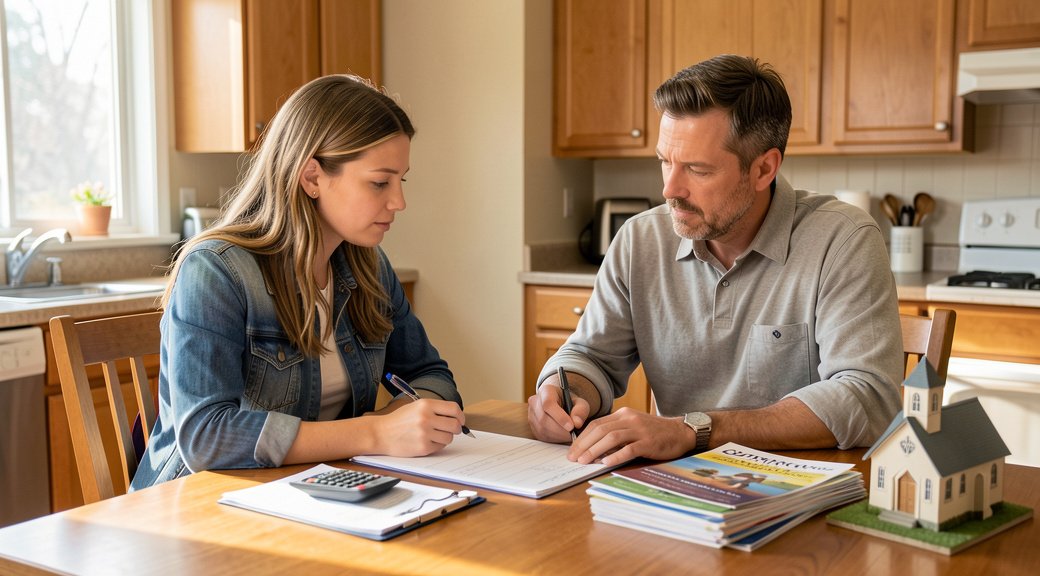
Families in Downey, California, face a complex financial landscape when considering private education for their children. With a mix of well-regarded parochial schools, independent academies, and Montessori programs, the city offers diverse options. However, the cost of tuition, fees, and auxiliary expenses can strain household budgets. Understanding the full scope of private education expenses in Downey, California, requires a close look at tuition averages, hidden costs, financial aid opportunities, and long-term planning strategies. This guide provides a detailed breakdown to help parents make informed decisions without compromising their financial stability.
Tuition Ranges Across Downey Private Schools
Tuition is the most visible expense, and it varies significantly based on the type of institution. Catholic elementary schools in Downey, such as St. Raymond Catholic School and Our Lady of Perpetual Help, typically charge annual tuition between $6,000 and $9,000 for parishioners, with slightly higher rates for non-parishioners. Independent secular schools, including Montessori academies and college-preparatory high schools, often range from $12,000 to $25,000 per year. For example, a progressive K-8 school might charge $15,000 annually, while a private high school with advanced placement courses could exceed $20,000.
These figures represent base tuition only. Many schools also require a non-refundable registration fee, which can be $500 to $1,500. Some institutions offer a discount for families who pay the full year upfront, while others allow monthly payment plans. It is essential to request a detailed fee schedule during the admissions process. For a broader perspective on how Downey compares to other regions, you can review our analysis of private education pricing in Fremont, California, which shows similar cost drivers in the state.
Hidden and Supplementary Costs Beyond Tuition
Private education expenses in Downey, California, extend well beyond the tuition bill. Parents should anticipate several mandatory and optional additional costs. These include:
- Uniforms and Dress Codes: Most private schools require specific uniforms, which can cost $200 to $500 per year. This includes polo shirts, pants, skirts, blazers, and gym wear.
- Technology Fees: Many schools now require students to bring a laptop or tablet, or they charge a technology fee of $300 to $800 annually for school-issued devices.
- Field Trips and Overnight Excursions: Science camps, historical tours, and outdoor education programs can add $500 to $2,000 per trip.
- Extracurricular Activities: Sports, music lessons, drama productions, and clubs often have participation fees, equipment costs, and travel expenses. These can range from $200 to $1,500 per activity per season.
- Fundraising Expectations: Some schools require a minimum fundraising contribution or volunteer hours, which can effectively act as a hidden cost if families buy out their obligation.
These supplementary expenses can add 20 to 35 percent to the total annual cost of private education. A family budgeting $12,000 for tuition might actually need to plan for $16,000 or more. Asking schools for a complete list of expected fees before enrollment prevents unpleasant surprises.
Financial Aid and Tuition Assistance Options
Despite the high sticker prices, many Downey private schools offer robust financial aid programs. Need-based grants are the most common form of assistance, with schools using third-party services like FACTS or TADS to evaluate family income and assets. A family earning $80,000 to $120,000 per year might qualify for a 20 to 50 percent tuition reduction at some schools. Merit-based scholarships are also available for students with exceptional academic, artistic, or athletic talent. These scholarships can cover 25 to 100 percent of tuition.
Additionally, California state tax credits and deductions may apply. The California Private School Affordability Act allows parents to deduct a portion of tuition for dependent children from their state taxable income, subject to certain limits. Families should consult a tax professional to maximize these benefits. For those exploring broader options, our guide on private education expenses in Fayetteville, NC illustrates how financial aid structures can differ by region but often follow similar need-based principles.
Comparing Private vs. Public School Costs in Downey
Downey Unified School District operates several strong public schools, including Downey High School and Warren High School, which offer Advanced Placement courses, International Baccalaureate programs, and extracurricular activities at no direct tuition cost. However, public education is not entirely free. Families still pay for school supplies, field trips, sports equipment, and sometimes tutoring or test preparation. These costs typically range from $1,000 to $3,000 per year.
When comparing private to public, the financial gap can be substantial. A private elementary school at $9,000 per year plus $4,000 in auxiliary costs totals $13,000 annually. Over 13 years of K-12 education, that amounts to roughly $169,000 per child. For two children, the figure exceeds $330,000. This calculation does not include inflation, which historically runs 3 to 5 percent annually for private school tuition. Public school, by contrast, costs a fraction of that amount in out-of-pocket expenses. Yet many families choose private for smaller class sizes, religious instruction, or specialized curricula. The decision often hinges on whether the perceived benefits justify the long-term financial commitment.
Strategies for Managing Private Education Expenses
Planning ahead can make private education more manageable. One effective approach is to start a dedicated education savings account, such as a 529 plan, specifically for K-12 tuition. The Tax Cuts and Jobs Act of 2017 expanded 529 plans to cover up to $10,000 per year in private school tuition per beneficiary. Contributions grow tax-free, and withdrawals for qualified expenses are also tax-free. California also offers a state income tax deduction for 529 contributions, making it a powerful tool.
Another strategy is to negotiate with schools. While many have fixed tuition, some are willing to offer sibling discounts, early payment discounts, or adjusted payment schedules. Parents can also ask about work-study programs where they volunteer at the school in exchange for reduced tuition. Additionally, families can apply to multiple schools and compare financial aid packages, as some schools are more generous than others. Finally, setting up a budget that accounts for all associated costs, not just tuition, prevents overspending. Tracking expenses annually helps identify areas where costs can be trimmed, such as buying used uniforms or carpooling to reduce transportation fees.
The Role of Scholarships and External Funding
Beyond school-based aid, external scholarships can help offset private education expenses in Downey, California. Organizations like the Children’s Scholarship Fund, the Jack Kent Cooke Foundation, and local community foundations offer grants for private school tuition. Many of these programs target low-income families or students with specific talents. The application process often requires essays, recommendation letters, and proof of financial need. Families should start researching these opportunities at least a year before enrollment, as deadlines can be early.
Employer tuition assistance is another overlooked resource. Some companies, particularly those in healthcare, technology, and finance, offer reimbursement for employees’ children’s private school tuition as part of their benefits package. Human resources departments can confirm eligibility. Even partial reimbursement of 20 to 30 percent can significantly reduce the financial burden. Combining multiple funding sources, such as a partial scholarship, a 529 plan, and employer assistance, can make private school feasible for families who might otherwise consider it out of reach.
Long-Term Financial Impact and College Planning
Choosing private education in Downey can affect college affordability. Money spent on K-12 tuition is money not saved for college. Families must weigh the benefits of a strong private school foundation against the risk of reduced college savings. Some private high schools in Downey offer dual enrollment programs with local community colleges, allowing students to earn college credits at reduced rates. This can lower future college costs. Additionally, a rigorous private school transcript may qualify students for merit-based college scholarships, potentially offsetting earlier expenses.
Parents should also consider the opportunity cost of private education. The funds used for tuition could instead be invested in a college 529 plan, a retirement account, or a down payment on a home. A balanced approach involves running the numbers: if private school costs $150,000 over 12 years, what would that money grow to if invested at a 6 percent return? The answer might be $200,000 to $250,000 by the time the child turns 18. This perspective helps families decide whether the immediate educational advantage is worth the long-term financial trade-off.
To further explore how private school costs intersect with college affordability, use the college tuition information resources available at College & Tuition. These tools help families compare costs, calculate potential savings, and identify scholarship opportunities tailored to their financial profile.
Frequently Asked Questions
What is the average private school tuition in Downey, California?
Average tuition ranges from $6,000 to $9,000 for Catholic elementary schools and $12,000 to $25,000 for independent private schools. High school programs tend to be more expensive than elementary options.
Are there any free private schools in Downey?
True free private schools are rare. However, some schools offer full scholarships based on financial need or academic merit, effectively making them free for qualifying families. These scholarships are competitive and require early application.
How can I reduce private education costs?
Apply for need-based financial aid, seek external scholarships, use a 529 plan for tax-advantaged savings, and ask about sibling discounts or work-study programs. Also, buy used uniforms and limit costly extracurriculars to one or two per semester.
Does Downey offer any tax benefits for private school tuition?
California allows a state income tax deduction for contributions to a 529 plan, which can be used for K-12 tuition. Additionally, some families may qualify for the federal Child and Dependent Care Credit if they use after-school care programs.
How do Downey private schools compare to public schools academically?
Private schools often have smaller class sizes, specialized curricula, and higher average test scores. However, Downey public schools offer strong AP programs and extracurriculars. The choice depends on the child’s specific needs and the family’s educational priorities.
Private education expenses in Downey, California, require careful planning and a clear understanding of all associated costs. By researching tuition, hidden fees, and financial aid options, families can make choices that align with both their educational goals and their financial reality. Every dollar spent on private school should be evaluated against its long-term impact on college savings and overall household stability. With the right strategies, private education can be a worthwhile investment rather than a financial burden.
About the Author: Andrew Wilson