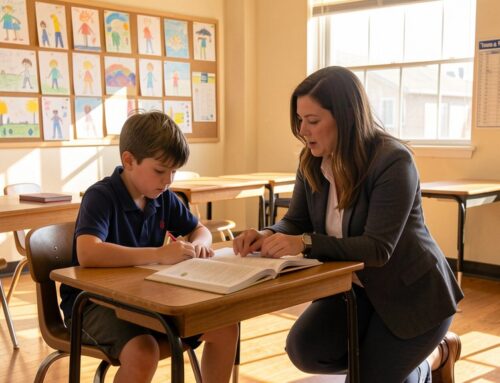
Families in Newport News, Virginia, face a significant decision when considering private education for their children. The question of affordability often takes center stage, and understanding the full landscape of private school costs in Newport News, Virginia, is essential for making an informed choice. Tuition figures can vary widely based on grade level, school mission, and extracurricular offerings. This guide breaks down what parents can expect to pay, explores the factors that drive costs, and offers practical strategies to manage these expenses without sacrificing educational quality. Whether you are exploring preschool options or high school preparatory programs, knowing the numbers and the nuances behind them will help you plan effectively.
Understanding the Range of Tuition and Fees
Private school costs in Newport News, Virginia, are not a one-size-fits-all figure. Across the city, annual tuition for elementary through high school typically ranges from approximately $6,000 to $18,000 per year. Religious and parochial schools often fall on the lower end of this spectrum, while independent college-preparatory schools command higher fees. Preschool and kindergarten programs may have different rate structures, sometimes offering half-day or full-day options at reduced costs.
Beyond base tuition, families should anticipate additional expenses. These can include application fees (often $50 to $150), registration or enrollment fees (ranging from $200 to $500 annually), and costs for books, technology fees, and school supplies. Some schools require uniforms, which can add a few hundred dollars per year. Extracurricular activities such as sports, music lessons, and field trips may carry separate fees. When calculating the true cost, it is wise to budget an additional 10 to 15 percent on top of tuition to cover these ancillary charges.
For a detailed comparison of how these costs stack up against other educational pathways, you can explore our resource on private college costs in Roanoke VA full tuition breakdown. This provides context for understanding the long-term financial commitment of K-12 private education versus higher education expenses.
Key Factors That Influence Tuition Levels
Several variables determine why one school charges significantly more than another. Understanding these factors helps parents evaluate whether a higher price tag corresponds to greater value for their child.
School Type and Mission
Private schools in Newport News generally fall into three categories: faith-based (often affiliated with a church or diocese), independent non-sectarian schools, and specialized academies (such as Montessori or STEM-focused programs). Faith-based schools frequently keep tuition lower because they receive support from their religious organization. Independent schools, which rely almost entirely on tuition and endowments, tend to charge more to cover facilities, faculty salaries, and program development. Specialized academies may have niche curricula that require smaller class sizes and specialized materials, which can push costs upward.
Grade Level and Class Size
Most private schools charge higher tuition for upper grades (middle and high school) compared to lower grades. This reflects the need for specialized teachers, advanced lab equipment, and college counseling services. Additionally, schools that maintain smaller class sizes (typically 10 to 15 students per class) must distribute costs across fewer families, resulting in higher per-student tuition. Larger class sizes may reduce costs but can also affect the individualized attention many families seek in private education.
Facilities and Extracurricular Depth
A school with state-of-the-art science labs, athletic fields, performing arts centers, and technology infrastructure will naturally have higher operating costs. These costs are passed on to families. Similarly, schools that offer extensive extracurricular programs, including competitive sports, music ensembles, and travel opportunities, often charge higher fees to sustain those offerings. Parents should tour facilities and ask about program funding to understand what their tuition supports.
Financial Aid and Tuition Assistance Options
Many families assume private school is out of reach if they cannot pay full tuition. In reality, most private schools in Newport News offer some form of financial aid. The key is to apply early and understand the process.
Schools typically use one of two systems to assess need: the School and Student Service (SSS) by NAIS or FACTS Grant & Aid Assessment. These platforms evaluate family income, assets, household size, and other financial obligations to determine a fair family contribution. Awards can range from a few thousand dollars to nearly full tuition coverage, depending on the school’s budget and the number of applicants.
Here are common steps to secure financial aid:
- Complete the required financial aid application (SSS or FACTS) by the school’s deadline, usually between January and March for the following academic year.
- Submit supporting documents such as tax returns, W-2 forms, and bank statements promptly.
- Write a brief statement explaining any special circumstances, such as medical expenses or job loss, that might affect your ability to pay.
- Contact the school’s admissions or business office directly to ask about available scholarships, sibling discounts, or payment plans.
- Reapply each year, as aid awards are not automatically renewed and may change based on updated financial information.
It is also worth exploring state-based tuition assistance programs and nonprofit scholarships. Organizations like the Virginia Council for Private Education (VCPE) and local community foundations occasionally offer grants to families seeking private education. Additionally, some employers provide tuition reimbursement for employees’ children as part of their benefits package.
For more strategies on managing education costs, our guide on private school costs in Vancouver Washington a guide offers transferable insights for Newport News families navigating similar financial decisions.
Comparing Costs Versus Value
Tuition is only one part of the equation. Families should evaluate what they receive in return. Private schools often boast smaller class sizes, advanced placement or International Baccalaureate programs, robust arts and athletics, and a strong college counseling infrastructure. These features can translate into higher college acceptance rates and better preparation for university-level work.
However, a higher tuition does not automatically guarantee a better education. Parents should investigate accreditation status, teacher qualifications, student-teacher ratios, and graduation rates. Talking to current parents and attending open houses provides firsthand insight into school culture and academic rigor. Some lower-cost private schools deliver excellent outcomes through dedicated faculty and a focused curriculum, while some higher-cost schools may allocate significant funds to facilities that do not directly impact classroom learning.
When weighing options, consider creating a simple comparison chart that includes tuition, fees, financial aid eligibility, class size, and available programs. This structured approach helps families identify which school offers the best alignment with their child’s needs and their financial reality.
Strategies to Reduce Out-of-Pocket Costs
Beyond financial aid, several practical strategies can lower the burden of private school costs in Newport News, Virginia.
First, consider a tuition payment plan. Most schools allow families to spread annual tuition over 10 or 12 monthly installments, sometimes with a small administrative fee. This avoids a large lump-sum payment and helps with cash flow management. Second, look into sibling discounts. Many private schools offer a 10 to 25 percent reduction for the second or third child enrolled simultaneously. Third, some schools offer a “tuition rebate” or “early payment discount” if you pay the full year upfront by a certain date. While this requires having the funds available, it can save several hundred dollars.
Another often-overlooked option is the 529 savings plan. Virginia’s 529 plan, called Virginia529, allows families to save for K-12 tuition expenses tax-free. Contributions are deductible from Virginia state income tax (up to certain limits), and withdrawals used for qualified educational expenses, including private school tuition, are tax-free. This can provide significant savings over time, especially for families who start saving early. Even if your child is already enrolled, you can open a 529 account and immediately benefit from the state tax deduction.
Finally, don’t hesitate to negotiate. While not all schools are open to this, some independent schools with enrollment flexibility may consider a reduced tuition if you present a compelling case or if you have a competing offer from another school. It never hurts to ask politely and professionally.
Frequently Asked Questions
What is the average private school tuition in Newport News, Virginia?
Average annual tuition for private K-12 schools in Newport News ranges from approximately $6,000 to $12,000 for religious schools and from $12,000 to $18,000 for independent college-preparatory schools. Preschool and kindergarten rates may be lower, especially for half-day programs.
Do private schools in Newport News offer scholarships?
Yes, many private schools offer need-based financial aid, and some provide merit-based scholarships for academic achievement, artistic talent, or athletic ability. Families should inquire directly with each school about available scholarship opportunities and application deadlines.
Are there additional costs beyond tuition?
Yes, common additional costs include application fees, registration fees, books and supplies, technology fees, uniforms, and fees for extracurricular activities, field trips, and sports. Budgeting an extra 10 to 15 percent on top of tuition is recommended.
Can I use a 529 plan to pay for private school tuition in Virginia?
Yes, Virginia’s 529 plan allows tax-free withdrawals for K-12 tuition expenses at private schools. Contributions may also be deductible from Virginia state income tax, subject to annual limits. This is a powerful tool for reducing the overall cost of private education.
How do I apply for financial aid at a private school in Newport News?
Start by contacting the school’s admissions office to learn which financial aid platform they use (commonly SSS or FACTS). Complete the application and submit required documents by the stated deadline. Provide accurate financial information and explain any special circumstances. Reapply each year for continued aid.
For additional questions about college tuition planning and financial aid strategies, visit College & Tuition for comprehensive guides and tools designed to help families make informed decisions about education costs.
Understanding private school costs in Newport News, Virginia, requires more than just looking at a tuition number. It involves evaluating the full financial picture, exploring assistance options, and aligning the school’s offerings with your child’s needs and your family’s budget. By approaching the process systematically and leveraging available resources, you can make private education a realistic and rewarding investment in your child’s future.
About the Author: Sarah Thompson