
Room And Board Costs Explained: What Does It Include?
This guide explains exactly what your college room and board fees cover, helping you budget effectively and avoid unexpected expenses. Understand the true cost beyond tuition.

By Michael Grant
For students and families budgeting for higher education, few line items are as significant, and often as confusing, as room and board. While tuition is a straightforward academic cost, room and board encompasses the essentials of daily living, a critical component of the total college expense. Understanding what is included in your room and board payment is not just about budgeting, it is about knowing what services and amenities you are guaranteed, what you might still need to pay for separately, and how these costs compare to living off-campus. This comprehensive breakdown will clarify exactly what room and board fees cover, demystify common billing structures, and provide strategies for managing these substantial living expenses, whether you are enrolling in a traditional on-campus program or pursuing an college degree information through an online pathway that may involve different residential considerations.
Defining Room And Board In The College Context
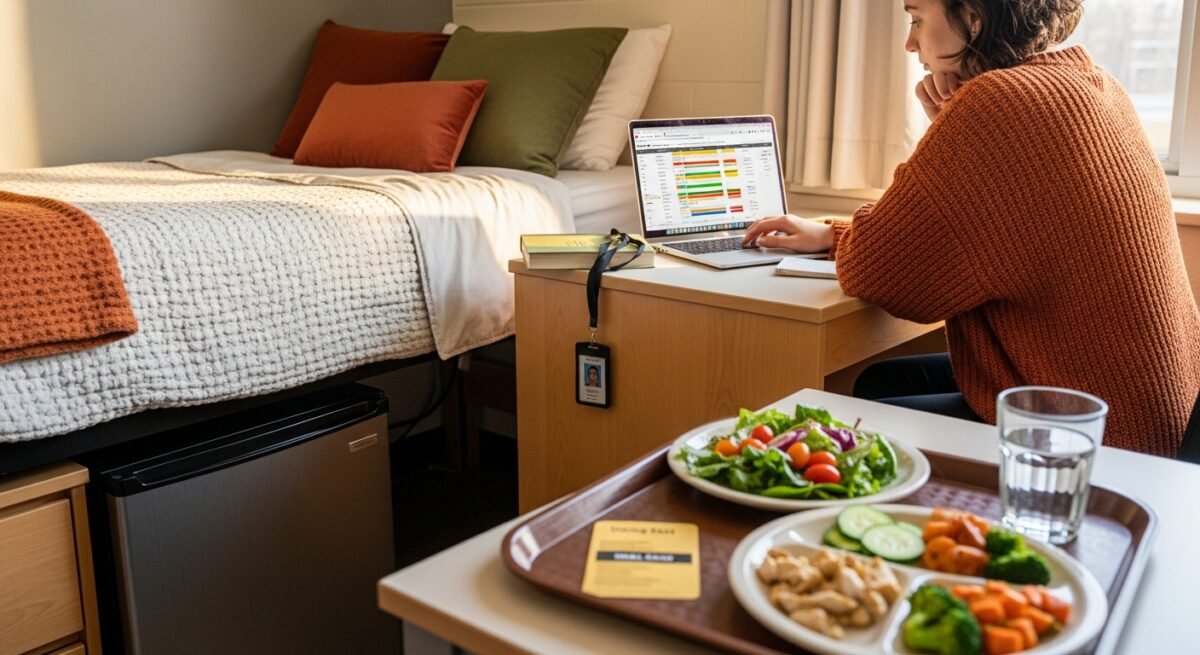
Room and board is a bundled term used by colleges and universities to describe the combined cost of housing (room) and a meal plan (board). It is a standard part of the total Cost of Attendance (COA) calculations that financial aid offices use to determine your eligibility for loans, grants, and scholarships. While the phrase suggests a simple package, the specific inclusions, quality, and flexibility can vary dramatically from one institution to another. The “room” portion typically refers to your assigned living space in a university-owned or affiliated residence hall, dormitory, or apartment. The “board” portion refers to a pre-paid meal plan that grants you access to campus dining halls, cafes, and sometimes even retail food locations. It is crucial to view this not as a single bill but as a service contract for your basic shelter and nutrition needs for the academic term.
A Deep Dive Into The “Room” Component
When you pay for the room portion of your fees, you are essentially renting a space from the educational institution. This cost goes far beyond just four walls and a bed. It covers the operational overhead of maintaining safe, functional, and often supportive living environments. The room fee typically includes utilities such as electricity, water, heating, and cooling, so you are not directly billed for monthly usage. High-speed internet access and basic cable television connections are also standard inclusions in most modern residence halls. Furthermore, the cost covers residence life staff, including resident advisors (RAs) and professional hall directors, who provide support, programming, and enforce community standards. Maintenance and custodial services for common areas (like hallways, lounges, and communal bathrooms) are also funded through room fees, though you are usually responsible for cleaning your private space. Security services, including controlled access entry systems and campus security patrols, represent another critical, though often invisible, part of the room cost. It is important to note that room costs are highly tiered. A standard double room in a traditional hall will cost significantly less than a single room in a newer, suite-style building with a private bathroom. The price reflects the type of accommodation, its age, amenities, and occupancy.
Understanding The “Board” Component And Meal Plans
The board portion of the cost is your meal plan. This is not a simple all-you-can-eat buffet pass, it is a structured system with financial and access parameters. Colleges design meal plans to ensure students have reliable access to food, but they operate on different models. The most common is a weekly meal swipes system, where you are allotted a certain number of entries into the main dining halls per week. These swipes often reset, meaning unused ones do not roll over. Another model utilizes a declining balance system, where a dollar amount is loaded onto your student ID card at the start of the term, which you then spend at campus dining locations. Many schools use a hybrid model, combining weekly swipes for dining hall access with flexible spending dollars for cafes, convenience stores, or guest meals. What your board fee includes is generally all the food you can consume during a single dining hall visit. This encompasses multiple food stations, beverage stations, and often themed dinners. However, it rarely includes premium items like bottled beverages, specialty coffee drinks, or meals at branded franchise restaurants on campus, those would require separate payment or flexible dollars. When selecting a plan, consider your eating habits, class schedule, and whether you plan to cook or eat out frequently. A mandatory, expensive meal plan for a student who rarely uses it can become a major financial inefficiency.
Common Exclusions And Hidden Costs
Perhaps the most critical part of understanding room and board is knowing what it does not cover. Awareness of these potential extra costs prevents budget surprises. First, while utilities are included, personal consumables are not. This includes laundry detergent, toiletries, cleaning supplies, and personal snacks or mini-fridge items. Laundry itself is often an extra cost, operated via card or coin systems in the residence hall. While internet is provided, you may need to supply your own router, ethernet cable, or streaming device accessories. Damage to your room beyond normal wear and tear will result in fees assessed at the end of the year. Your meal plan likely does not cover food during academic breaks, such as Thanksgiving, winter break, or spring break, when dining halls are closed. Students staying on campus during these periods may need to budget separately for food. Additionally, while the room provides basic furniture (bed, desk, dresser), you must supply all bedding, towels, lamps, storage solutions, and décor. For students in certain living arrangements, like university-owned apartments, you might be responsible for setting up and paying for your own internet or cable TV service. Always request a detailed contract or terms of service from your university’s housing office to see a full list of what is and is not included.
Comparing On-Campus Room And Board To Off-Campus Living
Many students consider moving off-campus after their first year, believing it to be cheaper. This requires a meticulous apples-to-apples comparison. Off-campus rent may seem lower, but you must add the cost of all utilities (electricity, gas, water, sewer, trash, internet, cable), which can easily add hundreds of dollars per month. You will also likely pay a security deposit and may need to purchase renters insurance. For food, you must budget for groceries and the time cost of cooking, a stark contrast to the convenience of a dining hall. Off-campus living also introduces transportation costs, whether for fuel, parking passes, or public transit, to get to and from campus. Conversely, living off-campus can offer more space, privacy, and potentially lower food costs if you are a disciplined cook. It also might free you from restrictive dorm rules and allow for a longer-term lease. To make a valid comparison, sum all off-campus annual expenses (12 months of rent and utilities, groceries, transportation, insurance) and compare it to the on-campus room and board cost (typically for 9-10 months). Remember, the on-campus price is a fixed, predictable cost, while off-campus expenses can fluctuate.
Financial Aid And Room And Board
Room and board is a qualified educational expense for financial aid purposes. Your total financial aid package, including federal loans, grants, work-study, and scholarships, is first applied to your direct tuition and fees. Any remaining aid can then be used to cover your room and board costs, which are paid to the university. If your aid exceeds all direct charges, you will receive a refund that can be used for other educational expenses, including off-campus rent and food. However, it is vital to understand that some forms of aid, particularly certain scholarships, may be restricted to tuition and fees only and cannot be used for room and board. Always check the stipulations of your awards. For students living off-campus, the financial aid office will still include a standard room and board allowance in your Cost of Attendance. Your aid eligibility is calculated based on this figure, and your refund can be used to pay your rent and grocery bills. This system is designed to provide flexibility but requires responsible budgeting from the student.
Effectively managing room and board costs starts with informed choices. Select a room type that fits your budget, not just your preferences. A standard double is almost always the most economical on-campus choice. For meal plans, honestly assess your consumption. If you skip breakfast, rarely eat on campus on weekends, or have dietary restrictions that make dining hall options less appealing, opt for the smaller plan. You can often increase your plan mid-semester if needed, but decreasing it is usually harder. Participate in roommate matching to ensure compatibility, reducing the potential for conflict or one party leaving and forcing you to pay a single-room rate. If considering off-campus living, create a detailed budget spreadsheet that includes every possible expense. Finally, communicate directly with the university housing and financial aid offices. They can provide the most accurate, institution-specific information about costs, payment plans, and aid applicability. By thoroughly understanding what room and board includes, you transform a vague, intimidating cost into a manageable part of your educational investment, allowing you to focus your energy on what truly matters, your academic success.