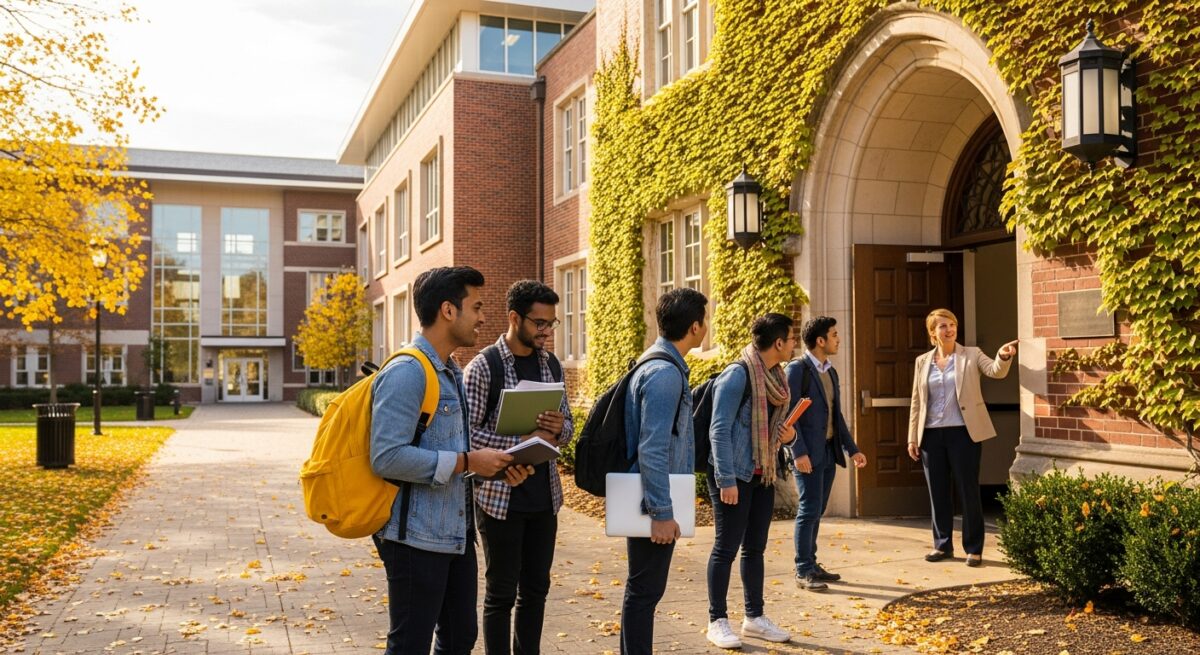
Rising tuition costs can make higher education feel like a financial burden that is impossible to escape. However, finding a path to a college degree does not require taking on overwhelming debt. Many students and families are discovering that the cheapest degree programs for cost conscious students are not only accessible but also offer excellent academic quality and career outcomes. By focusing on value, exploring alternative credit options, and choosing the right type of institution, you can earn a respected diploma without sacrificing your financial future. This guide walks through the most effective strategies and program types that help you maximize your educational investment.
Understanding the True Cost of a Degree
Before searching for low cost degree programs, it is essential to understand what drives the price of a college education. The sticker price listed on a university website is rarely what most students actually pay. Tuition, fees, room and board, textbooks, and transportation all add up, but financial aid, scholarships, and grants can dramatically lower the net cost. For cost conscious students, the key is to look beyond the published tuition rate and focus on the final out-of-pocket expense after all aid is applied.
Public community colleges and in-state public universities consistently offer the most affordable degrees. According to the College Board, the average annual tuition and fees for in-state students at public two-year institutions is significantly lower than that of four-year public or private nonprofit schools. Students can often complete general education requirements at a community college for a fraction of the cost and then transfer those credits to a four-year university. This strategy alone can cut the total cost of a bachelor’s degree by thousands of dollars.
Top Affordable Degree Program Types
Not all degree programs are created equal when it comes to cost. Some pathways are inherently more budget-friendly because of their structure, delivery method, or institutional type. Here are the most promising options for students seeking the cheapest degree programs for cost conscious students.
Community College Transfer Pathways
Starting at a community college is one of the most reliable ways to reduce college costs. Many states have guaranteed transfer agreements, known as articulation agreements, which ensure that credits earned at a two-year college will apply toward a bachelor’s degree at a public university. By completing your first two years at a community college, you can save on tuition for half of your undergraduate education. After transferring, you will pay the university rate for only the final two years, significantly lowering your overall debt burden.
For example, a student who completes an associate degree at a community college and then transfers to a state university can often graduate with a bachelor’s degree for less than $40,000 total, compared to well over $100,000 at a private four-year school. This pathway also allows students to live at home for the first two years, eliminating room and board expenses. Many community colleges offer robust support services, including academic advising and transfer counseling, to help students navigate this process successfully.
Online Degree Programs
Online education has exploded in popularity, and for good reason. Accredited online programs often have lower tuition rates than their on-campus counterparts because they do not carry the same overhead costs for facilities and campus services. Additionally, online students save money on commuting, parking, housing, and meal plans. For working adults and parents, online degrees offer the flexibility to study around a job, eliminating lost income from taking time off work.
In our guide on Affordable Online Degree Programs for Flexible Learning, we explain how to identify programs that offer high quality instruction at a low cost. Look for institutions that charge a flat per-credit rate rather than a higher per-semester fee. Many public universities now offer fully online bachelor’s degrees at the same rate as in-state tuition, making them an excellent choice for budget-minded learners.
When evaluating an online program, consider these factors:
- Accreditation: Ensure the school is regionally accredited, which is the gold standard for academic quality and credit transferability.
- Residency requirements: Some online programs still require a few on-campus visits. Look for programs that are 100% online to avoid travel costs.
- Course materials: Check if the program uses open educational resources (OER) or free digital textbooks to reduce additional expenses.
By carefully vetting these elements, you can find an affordable degrees program that fits your lifestyle and budget. Online learning also allows you to continue working full-time while earning your degree, which is a critical advantage for cost conscious students who cannot afford to stop earning an income.
Strategies to Lower Your Tuition Bill
Beyond choosing an inexpensive institution, there are proactive steps you can take to reduce the cost of any degree program. These strategies apply whether you attend a community college, a state university, or an online school.
First, maximize your financial aid by completing the Free Application for Federal Student Aid (FAFSA) each year. The FAFSA determines your eligibility for federal grants, work-study programs, and low-interest student loans. Many states and colleges also use the FAFSA to award their own scholarships, so missing this step could leave free money on the table.
Second, apply for scholarships aggressively. Thousands of private scholarships are available based on academic merit, community service, career goals, and even unique hobbies. Websites like Fastweb and Scholarships.com can help you find opportunities that match your profile. Even small scholarships of $500 or $1,000 can add up and reduce the amount you need to borrow.
Third, consider competency-based education (CBE) programs. CBE programs allow you to earn credit for knowledge you already have, whether from work experience, military training, or prior college courses. Instead of sitting through classes you do not need, you can move through material quickly and pay a flat subscription fee for a set period. This model can significantly lower the cost of a degree if you are a self-motivated learner.

Choosing a Major That Offers Strong Return on Investment
While finding the cheapest degree programs for cost conscious students is important, you also want to ensure that your degree leads to a well-paying job. A low-cost degree in a field with high earning potential provides the best return on investment. Majors in healthcare, technology, business, and skilled trades often have strong employment outcomes and starting salaries that make student loan repayment manageable.
For example, an associate degree in nursing (ADN) from a community college can cost under $15,000 but leads to a career as a registered nurse with a median salary of over $75,000 per year. Similarly, a bachelor’s degree in computer science from an affordable public university can cost $40,000 total but leads to entry-level salaries above $70,000. These are prime examples of low cost degree programs that deliver high value.
On the other hand, degrees in fields with lower starting salaries or saturated job markets may require more careful financial planning. This does not mean you should avoid a passion subject, but it does mean you should be strategic about minimizing debt if you choose a lower-paying career path. Combining a low-cost degree with a realistic budget for loan repayment is the smartest approach.
How to Research and Compare Programs
Finding the most affordable degrees requires diligent research. Start by using the College Scorecard, a free tool from the U.S. Department of Education that provides data on average annual cost, graduation rates, and median earnings for graduates of specific programs. You can filter by program type, location, and cost to find schools that meet your criteria.
Next, reach out to the financial aid offices of the schools you are considering. Ask about the average net price (the cost after grants and scholarships are applied) rather than the sticker price. Inquire about payment plans, which allow you to spread tuition payments over several months without interest. Some schools also offer tuition discounts for students who pay per semester upfront.
For those exploring their options, external resources like CollegeDegrees.School can provide additional information on program offerings and costs. Always verify the accreditation status of any institution you consider, as credits from unaccredited schools may not transfer and could limit your career options.
Frequently Asked Questions
What is the cheapest type of degree to pursue?
Generally, an associate degree from a public community college is the most affordable option. It typically costs a fraction of a four-year degree and can serve as a stepping stone to a bachelor’s program.
Can I get a bachelor’s degree for under $20,000?
Yes, it is possible. Some online programs and in-state public universities offer total tuition costs under $20,000, especially if you transfer credits from community college or use competency-based learning models.
Are online degrees cheaper than traditional degrees?
Often, yes. Online programs tend to have lower tuition and eliminate many ancillary costs like housing and transportation. However, you should compare the total cost of each option carefully.
How can I avoid student loans entirely?
Combine grants, scholarships, work-study income, and attending a low-cost institution. Start at a community college, live with family, and work part-time to cover remaining expenses. Some students also participate in employer tuition reimbursement programs.
Do employers value degrees from affordable schools?
Employers care most about accreditation and your skills, not the price of your tuition. A degree from a regionally accredited public university or community college is widely respected. Focus on gaining relevant experience and building a strong resume.
Finding the cheapest degree programs for cost conscious students is a realistic goal that requires planning, research, and a willingness to explore non-traditional paths. Whether you choose community college, online learning, or a competency-based program, the key is to minimize debt while maximizing the value of your education. By taking advantage of financial aid, scholarships, and transfer agreements, you can earn a degree that opens doors to a bright future without chaining you to years of loan payments. Start exploring your options today, and remember that the most affordable path is often the one that combines a low tuition rate with a high return on investment.
About the Author: Andrew Wilson