When families start planning for higher education in the Palmetto State, the first question is often about the bottom line. South Carolina typical college tuition per year varies widely depending on whether you choose a public university, a private institution, or a technical college. Understanding these costs upfront helps you make a confident decision and avoid financial surprises later. This guide breaks down the numbers, explains what drives tuition rates, and shows you how to find affordable pathways to a degree.
What Is the Average Tuition Across South Carolina?
South Carolina offers a diverse range of higher education options, and tuition reflects that variety. For the 2025-2026 academic year, in-state students at public four-year universities can expect to pay an average of approximately $12,500 to $13,500 per year for tuition and mandatory fees. Out-of-state students face significantly higher rates, often between $30,000 and $38,000 annually at the same institutions. Public two-year colleges, such as technical colleges, remain the most affordable option, with in-state tuition averaging around $4,800 to $5,500 per year.
Private nonprofit colleges in South Carolina, including well-known names like Furman University and Clemson University (though Clemson is public), generally charge between $35,000 and $55,000 per year in tuition and fees. However, many private institutions offer substantial institutional aid that can bring the net price closer to that of a public university. It is important to distinguish between the sticker price and the actual net cost after scholarships and grants are applied.
To put this in perspective, the national average for in-state tuition at public four-year colleges is roughly $11,000 to $12,000 per year. South Carolina typical college tuition per year sits slightly above that national average, but the gap is not dramatic. The key is to compare schools within the state and factor in financial aid packages before making a final decision.
Tuition by Institution Type
Public Four-Year Universities
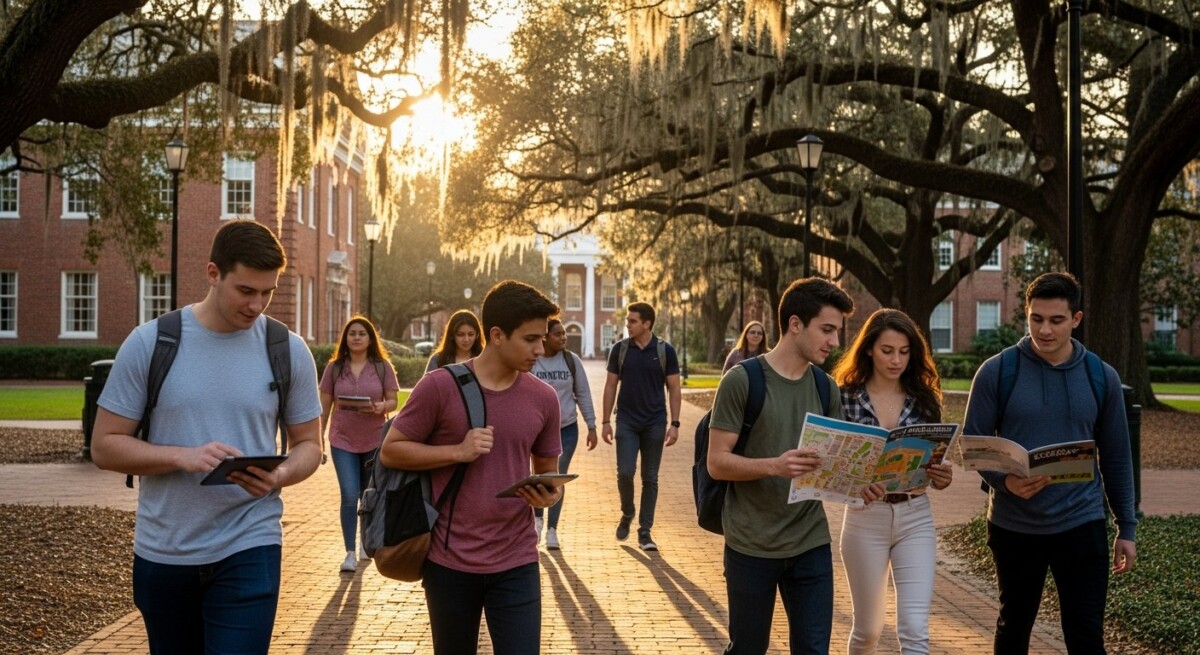
South Carolina’s public university system includes flagships like the University of South Carolina (Columbia) and Clemson University, as well as regional institutions such as Coastal Carolina University, College of Charleston, and South Carolina State University. In-state tuition and fees for these schools range from about $10,500 (at regional campuses) to over $15,000 (at the flagship campuses). Out-of-state tuition can exceed $40,000 at the most competitive universities.
For example, Clemson University reported in-state tuition and fees of approximately $15,500 for the 2024-2025 academic year, while the University of South Carolina Columbia came in around $12,700. These figures do not include room and board, books, or personal expenses, which can add another $12,000 to $16,000 per year. When estimating total cost of attendance, families should budget for these additional expenses.
Technical and Two-Year Colleges
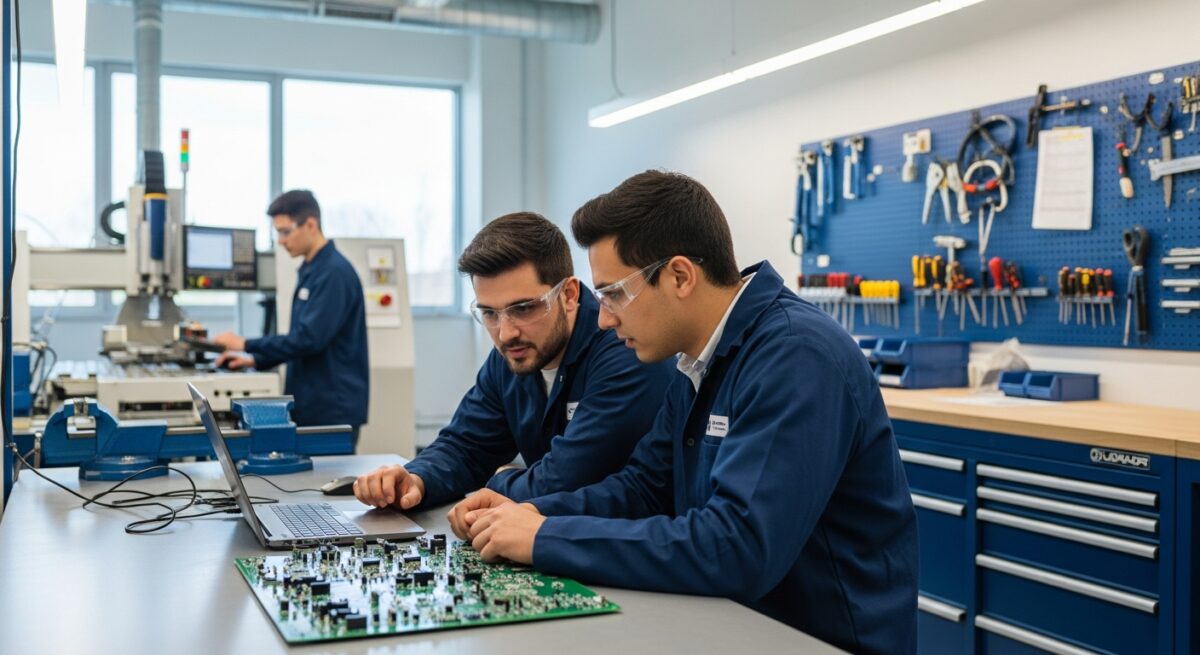
South Carolina’s technical college system is a standout for affordability. With 16 colleges across the state, these institutions offer associate degrees, certificates, and transfer programs at a fraction of the cost of four-year universities. In-state tuition at technical colleges averages $5,000 per year, making them an excellent starting point for students who plan to transfer later. Many technical colleges also offer dual enrollment programs for high school students, further reducing costs.
These schools are often overlooked by families focused on four-year degrees, but they provide a strategic financial advantage. Completing general education requirements at a technical college before transferring to a university can cut total tuition costs by 30% to 50%. South Carolina typical college tuition per year at a technical college is among the lowest in the Southeast.
Private Nonprofit Institutions
Private colleges like Furman University, Wofford College, and Presbyterian College charge higher sticker prices but often offer generous merit-based and need-based aid. The average tuition at private colleges in South Carolina is around $45,000 per year, but the net price after grants may drop to $25,000 or less for many students. Families should always complete the Free Application for Federal Student Aid (FAFSA) and the CSS Profile (if required) to access institutional aid.
These schools also tend to have smaller class sizes and higher graduation rates, which can translate to better long-term value. However, students should borrow cautiously and aim to minimize debt, especially if the net price still feels high relative to family income.
Factors That Influence Tuition Costs
Several variables affect what you actually pay for college in South Carolina. Understanding these factors can help you predict costs and plan accordingly.
- Residency status: In-state tuition is significantly lower than out-of-state tuition. Establishing residency in South Carolina (typically 12 months of continuous residence) can save you thousands per year.
- Program of study: Some majors, especially in engineering, nursing, and business, carry higher tuition rates due to lab fees, equipment costs, or accreditation requirements.
- Housing choice: Living on campus is often more expensive than living off campus with roommates. Commuting from home is the cheapest option but requires reliable transportation.
- Financial aid packages: Grants, scholarships, and work-study opportunities reduce the net price. The same college can cost very different amounts for different students depending on aid.
- Tuition guarantee programs: Some South Carolina universities offer fixed tuition rates for four years, protecting families from annual increases. Check whether your chosen school has such a program.
Each of these factors interacts with the others. For instance, an in-state student living at home and attending a technical college might pay under $6,000 per year, while an out-of-state student in a university dorm could face costs above $50,000. The range is enormous, and the key is to align your choice with your budget and academic goals.
How South Carolina Compares to Other States
Regionally, South Carolina typical college tuition per year is competitive with neighboring states like Georgia and North Carolina. Georgia’s public university tuition averages around $10,000 for in-state students, while North Carolina’s flagship universities charge roughly $9,000 to $10,000. South Carolina’s slightly higher average reflects the higher tuition at flagship schools like Clemson and the University of South Carolina.
Compared to the national average, South Carolina is in the middle range. States in the Northeast and West Coast often have much higher tuition rates, while states in the Midwest and Southwest tend to be lower. For students considering out-of-state options, South Carolina’s public universities offer a relatively affordable choice compared to schools in California, New York, or Massachusetts.
For a broader perspective on college costs in the region, you might find our guide on Arkansas college tuition costs helpful for comparison. Understanding how South Carolina stacks up against other states can inform your decision if you are considering multiple locations.
Strategies to Reduce Tuition Costs
Paying the full sticker price for college is rarely necessary. With careful planning, most families can significantly lower their out-of-pocket expenses. Here are proven strategies that work in South Carolina.
Apply for State-Based Aid
South Carolina offers several state-funded scholarship programs, including the LIFE Scholarship, the Palmetto Fellows Scholarship, and the HOPE Scholarship. These awards are based on academic merit and require certain GPA and test score thresholds. The LIFE Scholarship, for example, provides up to $5,000 per year for eligible students attending a four-year public or private college in the state. Applying early and meeting deadlines is critical because funds are limited.
Consider Community College First
Starting at a technical college and then transferring to a four-year university is one of the most effective ways to reduce total tuition costs. Students who complete an associate degree at a South Carolina technical college can transfer credits seamlessly through the state’s articulation agreements. This path can cut total bachelor’s degree costs by 40% or more.
Negotiate Financial Aid Offers
If you receive a financial aid package that does not meet your needs, you can appeal to the school’s financial aid office. Provide documentation of special circumstances, such as a job loss or medical expenses, and ask for a reconsideration. Many schools will adjust their offer, especially if you have a competing offer from another institution. This is a standard practice and does not harm your chances of admission.
For a deeper look at affordable options in the state, check out our article on affordable South Carolina colleges, which highlights schools that offer strong value for in-state students.
Understanding Total Cost of Attendance
Tuition is only one piece of the puzzle. The total cost of attendance (COA) includes tuition, fees, room and board, books, supplies, transportation, and personal expenses. At South Carolina public universities, the average COA for in-state students is between $25,000 and $30,000 per year. Out-of-state students face COA figures of $45,000 to $55,000.
When comparing schools, always look at the net price calculator on each university’s website. This tool provides a personalized estimate based on your family’s financial situation. It gives a more accurate picture than published tuition rates alone. Also, remember that financial aid can cover a portion of the COA, reducing what you actually pay.
For students who need clear guidance on academic pathways and degree planning, academic degree resources can help you explore programs and find the right fit for your goals.
Frequently Asked Questions
What is the cheapest college in South Carolina?
The most affordable option is typically a technical college such as Greenville Technical College or Trident Technical College, where in-state tuition is under $5,000 per year. Among four-year public universities, South Carolina State University and USC Upstate often have lower tuition rates than flagships.
Does South Carolina offer free tuition programs?
South Carolina does not have a universal free tuition program, but it offers several merit-based scholarships (LIFE, Palmetto Fellows) that can cover a significant portion of tuition. Some technical colleges also have workforce development grants for high-demand fields.
How much does tuition increase each year?
Tuition at South Carolina public universities has historically increased by 2% to 5% annually. Some schools have implemented tuition guarantee programs that lock in rates for four years, protecting against these increases.
Can out-of-state students get in-state tuition?
Out-of-state students may qualify for in-state tuition after establishing residency, which generally requires living in South Carolina for 12 consecutive months for non-educational purposes. Some universities also offer regional reciprocity agreements or merit-based waivers that reduce out-of-state rates.
What is the average student loan debt in South Carolina?
According to recent data, the average student loan debt for South Carolina graduates is around $32,000 to $35,000, slightly above the national average. Graduates from private colleges often carry higher debt than those from public universities.
Planning for college costs in South Carolina requires research, but the effort pays off. By understanding South Carolina typical college tuition per year and exploring all available aid options, you can find a path that fits your budget and sets you up for success. Start early, compare schools, and use the resources on this site to make informed decisions about your education and financial future.
About the Author: Daniel Thomas