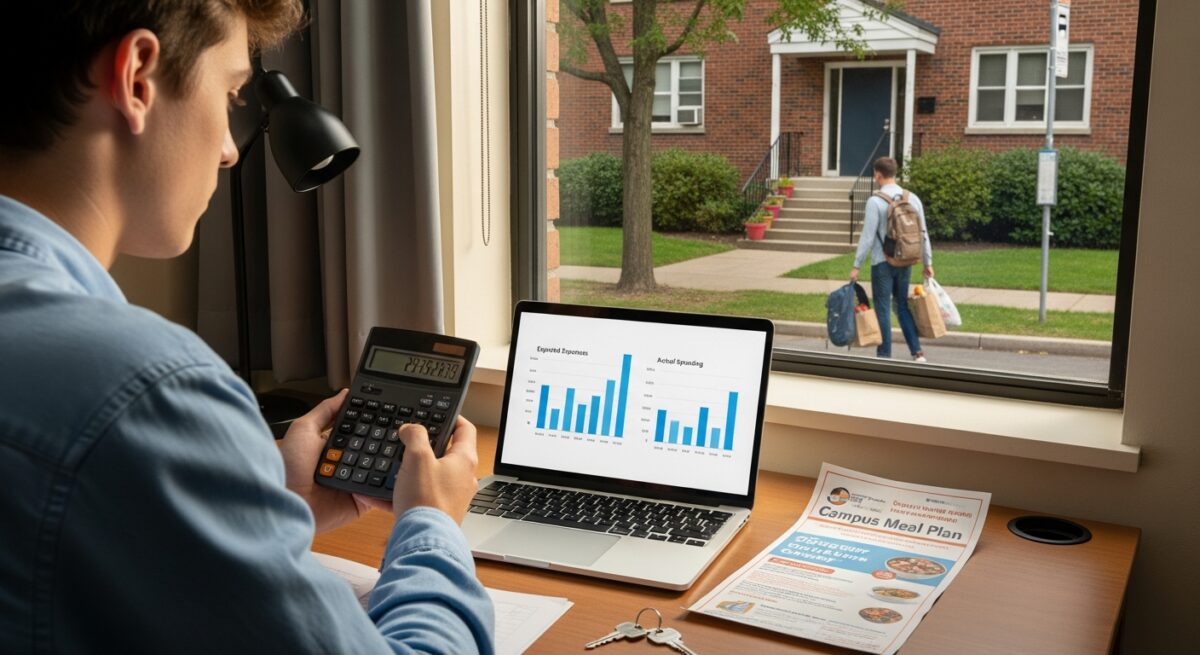
Moving off campus is a major milestone in your college journey. It offers independence, more space, and often a quieter study environment. But covering rent, utilities, and groceries without a full-time job can feel overwhelming. Many students wonder if they can use student loans for off-campus housing. The short answer is yes, but the process involves specific rules, careful planning, and a clear understanding of your loan options. This article breaks down everything you need to know about using student loans for off-campus housing so you can make smart financial decisions and avoid costly mistakes.
How Student Loans Cover Off-Campus Living Expenses
Federal and private student loans are designed to cover the total cost of attendance (COA) at your school. The COA includes more than just tuition and fees. It also accounts for room and board, books, supplies, transportation, and personal expenses. When you live off campus, your school estimates a standard living allowance for your area. Your financial aid package, including loans, can cover up to that full COA amount minus any other aid you receive.
This means you can use loan funds to pay for rent, a security deposit, utility bills, and even groceries. However, you cannot borrow more than the school-certified cost of attendance. To access these funds, your school will first apply loan money to your tuition and fees. Any leftover amount is refunded to you, usually by check or direct deposit. You then use that refund to pay your landlord and other living costs. It is essential to budget carefully because that refund must last the entire semester or quarter.
Federal vs. Private Loans for Housing
Your choice of loan type significantly impacts how you handle off-campus housing costs. Federal student loans typically offer lower fixed interest rates, income-driven repayment plans, and borrower protections like deferment and forbearance. Private loans, on the other hand, often have variable rates and fewer flexible repayment options. For housing expenses, federal loans are generally the safer and more affordable option.
Here are the main differences to consider when planning for off-campus living:
- Federal Direct Subsidized Loans: The government pays the interest while you are in school at least half-time. These are need-based and have annual borrowing limits. They are ideal for covering rent because they minimize total debt growth.
- Federal Direct Unsubsidized Loans: Interest accrues from the day the loan is disbursed. You can pay the interest while in school or let it capitalize. These are available to most students regardless of financial need.
- Federal PLUS Loans (for Parents or Grad Students): These can cover the full cost of attendance minus other aid. They have higher interest rates and require a credit check. Parent PLUS loans can help families cover off-campus rent if the student’s own loans fall short.
- Private Student Loans: These are credit-based and often require a co-signer. Interest rates can be fixed or variable. They may have fewer deferment options, so use them only after exhausting federal loan eligibility.
Because federal loans come with built-in protections and fixed rates, you should always maximize your federal borrowing before turning to private lenders. If you do need a private loan, compare offers from multiple lenders and read the fine print about repayment terms and deferment policies.
Calculating Your Off-Campus Housing Budget
Before you sign a lease, you need to know exactly how much loan money you will receive for living expenses. Start by reviewing your financial aid award letter. Look for the estimated cost of attendance and the amount of loans you have been offered. Subtract your tuition and fees from the total loan amount. The remainder is your refund, which you will use for housing and other costs.
A realistic budget should include more than just monthly rent. Consider these common off-campus expenses:
- Security deposit (usually one month’s rent)
- First and last month’s rent if required by the landlord
- Utility setup fees and monthly bills (electricity, water, gas, internet)
- Renter’s insurance (often required and very affordable)
- Furniture and household basics (bed, desk, kitchen supplies)
- Groceries and toiletries
- Transportation (bus pass, gas, or ride-sharing)
Divide your total expected refund by the number of months in the semester. That gives you your monthly housing budget. If the number is lower than the average rent in your area, you may need to find a roommate, choose a less expensive apartment, or look for a part-time job to supplement your income. Remember, borrowing more than you need increases your debt burden after graduation. Aim to borrow only what is necessary for essential living costs.
Steps to Use Loan Funds for Off-Campus Rent
Once you have accepted your loans and your school processes the disbursement, the funds follow a specific path. Understanding this timeline helps you avoid late rent payments and stress.
- Accept your financial aid offer: Log into your school’s portal and accept the federal loans you qualify for. You can accept less than the full amount offered.
- Complete entrance counseling and sign a Master Promissory Note (MPN): First-time federal loan borrowers must complete these steps. The MPN is your promise to repay the loan.
- Loan disbursement to the school: The loan money is sent directly to your college, usually at the start of each semester.
- Tuition and fees are deducted: The school takes what you owe for classes and campus charges.
- Refund issued to you: The remaining balance is sent to you via check or direct deposit within 14 days of disbursement.
- Pay your landlord and bills: Use the refund to pay rent, utilities, and other approved living expenses.
Because there is a delay between the start of the semester and when you receive your refund, plan ahead. If your lease starts before your refund arrives, you may need to use savings or a short-term plan to cover the first month’s rent. Some landlords are willing to work with students if you explain the financial aid timeline.
Important Rules and Risks to Know
Using student loans for off-campus housing comes with responsibilities. Loan funds must be used for education-related expenses as defined by your school. Rent, utilities, and food clearly qualify. However, using loan money for non-essential items like vacations, entertainment, or luxury goods is not allowed and could create problems if your school audits your spending.
Another critical factor is your loan repayment timeline. Federal loans typically have a six-month grace period after you graduate, leave school, or drop below half-time enrollment. During that time, you do not need to make payments. However, interest may still accrue on unsubsidized loans. Private loans may have different grace periods or require payments while you are still in school. Always confirm the terms with your lender.
Borrowing too much for housing can lead to serious financial strain after college. If you take out the maximum loan amount each year to live in a luxury apartment, you could graduate with a debt load that far exceeds your starting salary. A good rule of thumb is to keep your total student loan debt below your expected first-year annual income. For example, if you plan to earn $40,000 per year after graduation, try to borrow less than $40,000 total across all four years.
If you are unsure how to structure your loans or need help understanding the application process, review our detailed guide on how to apply for student loans. This step-by-step resource walks you through the entire process, from filling out the FAFSA to accepting your award letter.
Alternatives to Borrowing for Housing
Loans are not your only option for covering off-campus living costs. Reducing the amount you borrow can save you thousands of dollars in interest over the life of your loans. Consider these alternatives before signing for additional loan money:
- Work-study or a part-time job: Earnings from a campus job or local employment can cover a significant portion of your rent and utilities without adding to your debt.
- Roommates: Sharing a two- or three-bedroom apartment can cut your housing costs in half or more. Choose roommates carefully to avoid conflicts.
- Living at home: If your family home is within commuting distance, living rent-free or paying a reduced amount can dramatically lower your expenses.
- Scholarships and grants: Search for external scholarships that can be applied to living expenses. Some private scholarships send funds directly to you, which you can use for rent.
- 529 plan withdrawals: If your family has a 529 savings plan, funds can be used for room and board as long as you are enrolled at least half-time. The amount is limited to the school’s official cost of attendance.
Each of these options reduces your reliance on loans. Even a small part-time job earning minimum wage can cover basic groceries and utilities. By combining multiple strategies, you can keep your borrowing to a minimum and graduate with less financial stress.
Frequently Asked Questions
Can I use student loans to pay for a security deposit?
Yes. A security deposit is considered a housing expense and is part of your cost of living. You can use your loan refund to pay it. Just remember that you will need to budget for this upfront cost, which is often equal to one month’s rent.
What happens if my loan refund is less than my rent?
If your refund does not cover your full housing costs, you will need to make up the difference from other sources. This could include savings, a part-time job, financial help from family, or a smaller loan from a private lender. Avoid using credit cards for rent if possible, as high interest rates can create a cycle of debt.
Do I need to tell my landlord I am using student loans?
No. You do not need to disclose the source of your rent money to your landlord. As long as you pay on time, it does not matter whether the funds come from loans, a job, or family support.
Can I use private student loans for off-campus housing?
Yes, private student loans can also be used for off-campus housing, provided the amount does not exceed the school’s certified cost of attendance. However, private loans often have higher interest rates and fewer repayment protections than federal loans. Exhaust your federal loan options first.
Will using loans for housing affect my financial aid eligibility next year?
Your financial aid package is based on your cost of attendance and your family’s financial information, not on how you spend your loan refund. Using loans for housing does not directly reduce future eligibility. However, borrowing the maximum each year can increase your debt-to-income ratio, which may affect your ability to qualify for additional private loans later.
Final Thoughts
Student loans for off-campus housing can be a practical tool when used wisely. They allow you to focus on your studies without the immediate pressure of covering all living expenses from a paycheck. However, every dollar you borrow today must be repaid with interest tomorrow. By understanding how loan disbursements work, creating a realistic budget, and exploring alternatives to borrowing, you can enjoy the benefits of off-campus living while keeping your debt under control. Start planning early, talk to your financial aid office, and always borrow responsibly. Learn more
About the Author: Emily Wilson