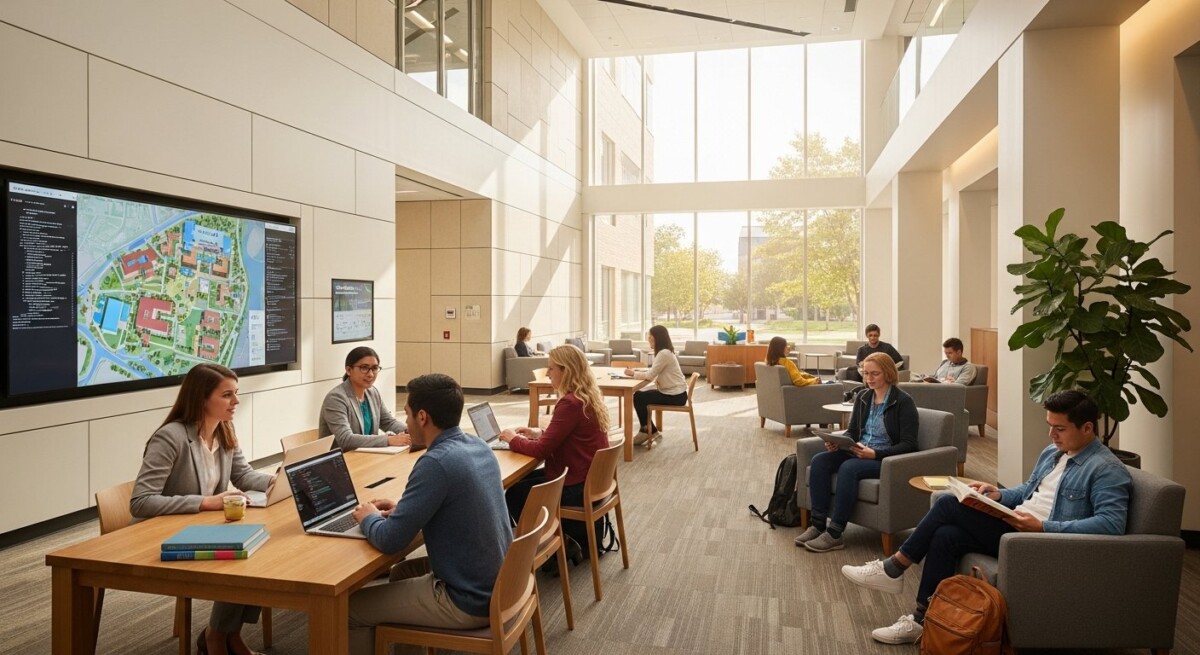
As the demand for flexible higher education continues to rise, Texas has positioned itself as a national leader in online learning. With over 100 accredited colleges and universities operating across the state, a significant number now offer fully online academic degrees that match the rigor of their on-campus counterparts. Whether you are a working professional seeking career advancement or a parent balancing family responsibilities, the Lone Star State provides accessible pathways to a degree without requiring you to relocate or quit your job. The growth of digital classrooms has transformed how Texans and students nationwide approach higher education, making it possible to earn a respected credential from institutions like the University of Texas System, Texas A&M, and Texas Tech from virtually anywhere.
This article explores the landscape of Texas institutions offering online academic degrees, highlighting what makes these programs unique, how to choose the right fit, and what financial considerations you should keep in mind. We will also examine key fields of study, accreditation standards, and practical tips for succeeding in an online learning environment. By the end, you will have a clear roadmap for pursuing a degree that aligns with your goals and budget.
Why Choose an Online Degree from a Texas Institution?
Texas boasts one of the largest and most diverse higher education ecosystems in the United States. Its public university systems, community colleges, and private institutions have invested heavily in online infrastructure, ensuring that students receive a high-quality education supported by modern technology. One of the primary advantages of enrolling in a Texas-based online program is the combination of academic reputation and affordability. Many Texas public universities offer in-state tuition rates to online students, even if they reside outside the state, making these programs cost-competitive with out-of-state options.
Additionally, Texas institutions often partner with local industries to align curricula with workforce demands. Fields such as healthcare, engineering, information technology, and business administration are particularly strong. For example, the University of Texas at Austin’s online Master of Science in Data Science and Texas A&M’s online MBA programs are consistently ranked among the best in the nation. By choosing a Texas institution, you gain access to a vast alumni network and career services that can help you secure internships and job placements across the state and beyond. If you are exploring different academic tracks, degree pathways for students can provide additional guidance on comparing programs and planning your educational journey.
Accreditation and Quality Assurance
When evaluating any online degree program, accreditation should be your top priority. Accreditation ensures that an institution meets established standards of academic quality and that your degree will be recognized by employers and other educational institutions. Texas institutions offering online academic degrees are typically accredited by one of the regional accrediting bodies, such as the Southern Association of Colleges and Schools Commission on Colleges (SACSCOC). This regional accreditation is the gold standard in the United States and is essential if you plan to transfer credits or pursue graduate studies later.
Beyond institutional accreditation, many programs also hold specialized accreditation for specific fields. For instance, nursing programs may be accredited by the Commission on Collegiate Nursing Education (CCNE), while business programs often carry accreditation from the Association to Advance Collegiate Schools of Business (AACSB). Always verify the accreditation status of both the university and the specific degree program before enrolling. The Texas Higher Education Coordinating Board maintains a searchable database of approved institutions, which is a reliable resource for confirming legitimacy.
Top Texas Institutions Offering Online Degrees
University of Texas System
The University of Texas System includes nine academic institutions and six health institutions, many of which offer robust online programs. UT Austin, UT Arlington, and UT Dallas provide a wide range of bachelor’s, master’s, and doctoral degrees online. UT Arlington’s online RN to BSN program is particularly popular among nurses seeking to advance their careers. UT Austin’s online Master of Science in Computer Science has gained recognition for its rigorous curriculum and flexible pacing.
Texas A&M University System
The Texas A&M System offers over 100 online degree and certificate programs through its flagship campus in College Station and regional universities. Texas A&M Engineering Online provides graduate degrees in fields like mechanical engineering, petroleum engineering, and industrial engineering, all delivered through a platform that allows students to interact with faculty and peers in real time. Texas A&M University-Commerce also offers affordable online bachelor’s completion programs for adult learners.
Texas Tech University
Texas Tech’s Worldwide eLearning division delivers more than 100 online programs, including undergraduate degrees in general studies, criminal justice, and human sciences. The university’s online MBA program is AACSB-accredited and offers specializations in finance, marketing, and supply chain management. Texas Tech also provides a unique online Doctor of Education in Educational Leadership for educators aiming for administrative roles.
University of Houston System
The University of Houston offers online programs through its main campus and regional branches. UH’s online Master of Education in Curriculum and Instruction and its online Bachelor of Business Administration in Supply Chain Management are particularly well-regarded. The university also provides a fully online Juris Doctor for law students through its Law Center, one of the few such programs in the country.
Texas State University
Texas State University in San Marcos offers over 30 online degree programs, including a Bachelor of Applied Arts and Sciences designed for working adults with prior college credits. Their online Master of Health Administration prepares students for leadership roles in healthcare organizations. The university’s online platform includes interactive discussion boards, video lectures, and virtual office hours to foster engagement.
Fields of Study Most Commonly Offered Online
While almost every major is available online in some form, certain fields dominate the landscape of Texas institutions offering online academic degrees. Understanding which programs are most accessible can help you narrow your options.
- Business and Management: Online MBA programs, BBA degrees, and certificates in project management or entrepreneurship are widely available. These programs often include virtual team projects and case studies based on real companies.
- Healthcare and Nursing: Registered nurse to BSN programs, Master of Science in Nursing, and healthcare administration degrees are in high demand. Many programs include clinical placement assistance for hands-on requirements.
- Information Technology and Computer Science: Degrees in cybersecurity, data science, and software engineering are growing rapidly. These programs leverage virtual labs and coding platforms for practical experience.
- Education: Teaching certification programs, Master of Education, and educational leadership degrees are popular among current educators. Online student teaching placements are arranged with local school districts.
- Criminal Justice and Public Administration: Bachelor’s and master’s degrees in criminal justice, homeland security, and public administration prepare students for roles in government and law enforcement.
Beyond these core areas, you will also find online degrees in psychology, social work, communication studies, and liberal arts. The variety ensures that nearly any academic interest can be pursued remotely.
Online Learning Formats and Support Services
Texas institutions generally offer two main formats for online degrees: synchronous and asynchronous. Synchronous programs require you to attend live classes at scheduled times, which can be beneficial for real-time interaction with instructors. Asynchronous programs allow you to access recorded lectures and complete assignments on your own schedule, offering maximum flexibility. Many programs use a hybrid model that combines both approaches.
To support online learners, Texas universities provide a range of services designed to mirror the on-campus experience. These include virtual tutoring, online library access with research databases, career counseling via video conferencing, and technical support hotlines. Some institutions, such as Texas Tech and UT Arlington, have dedicated online student success coaches who check in regularly to help you stay on track. Additionally, most schools offer orientation modules specifically for new online students to familiarize them with the learning management system and digital tools.
Financial Aid and Affordability
One of the most attractive aspects of pursuing an online degree from a Texas institution is the potential for significant cost savings. In-state tuition for online programs is often lower than out-of-state rates, and some universities extend in-state pricing to all online students regardless of residency. For example, Texas A&M University-Commerce charges a flat per-credit-hour rate for its online programs that is competitive with community college costs.
Financial aid options for online students are similar to those for traditional students. You can apply for federal grants and loans by completing the Free Application for Federal Student Aid (FAFSA). Many Texas institutions also offer institutional scholarships specifically for online learners. The Texas Grant program and the Texas Educational Opportunity Grant provide additional state-level aid for eligible residents. Be sure to check with the financial aid office of your chosen institution to explore all available options, including employer tuition reimbursement programs if you are currently employed.
In our guide on 4 Online College Degrees That Will Help You Start a Small Home-Based Business, we explain how to leverage an online education to launch your own venture while keeping costs manageable. For working adults who want to complete a degree quickly, Five Popular Online College Degrees and Why You Should Opt for Them provides insights into programs that balance flexibility with career impact.
How to Choose the Right Program for You
With so many options available, selecting the right online degree program requires careful consideration. Start by identifying your academic and career goals. If you need a degree that allows you to continue working full-time, prioritize programs with asynchronous delivery and part-time enrollment options. If you value networking and direct mentorship, look for synchronous programs that include live class sessions and group projects.
Next, evaluate the program’s admission requirements. Some online degrees, particularly at the graduate level, may require standardized test scores like the GRE or GMAT. However, many Texas institutions have begun waiving these requirements for online applicants, especially those with relevant work experience. Check the application deadlines carefully, as they may differ from on-campus programs. Finally, reach out to the program’s admissions counselor or attend a virtual information session to ask specific questions about curriculum, faculty qualifications, and student outcomes.
Frequently Asked Questions
Are online degrees from Texas institutions respected by employers?
Yes, as long as the institution is accredited. Employers view degrees from regionally accredited Texas universities as equivalent to on-campus degrees. Many companies actively recruit from Texas online programs because of their strong reputation.
Can I complete an online degree entirely from outside Texas?
Yes, most programs are designed for remote students across the United States and sometimes internationally. However, some programs may have state licensing restrictions for certain fields like nursing or teaching, so verify with the program if you live outside Texas.
How long does it take to finish an online degree?
Bachelor’s degrees typically take four years of full-time study, but many online programs offer accelerated tracks that allow completion in three years. Master’s degrees usually require one to two years. Part-time options extend the timeline but offer more flexibility.
Do online students have access to campus facilities?
Policies vary by institution. Some Texas universities allow online students to use libraries, fitness centers, and career services on campus. Others provide digital equivalents. Always check with the specific university for details.
What technology do I need for online classes?
At minimum, you need a reliable computer with a high-speed internet connection, a webcam, and headphones. Some programs require specific software for virtual labs or simulations. Most institutions provide a list of technical requirements before enrollment.
Choosing among Texas institutions offering online academic degrees is a significant decision that can shape your future career and personal growth. The combination of academic excellence, affordability, and flexibility makes Texas an ideal destination for online learners. By researching accreditation, exploring financial aid opportunities, and selecting a program that fits your lifestyle, you can earn a degree that opens doors without disrupting your life. Take the first step today by visiting the websites of the institutions mentioned in this article and requesting more information about their online offerings.
About the Author: David Reynolds