The dream of a college education on the East Coast often conjures images of historic Ivy League campuses and bustling metropolitan universities, each carrying a hefty price tag. However, the corridor from Maine to Florida is also home to a surprising number of institutions that combine academic excellence with moderate costs. For students and families focused on value, understanding where to find affordable colleges on the east coast is the first step toward a debt-conscious degree. This guide explores specific schools, strategies for reducing costs, and how to evaluate total value without sacrificing quality.
Understanding True Affordability Beyond Sticker Price
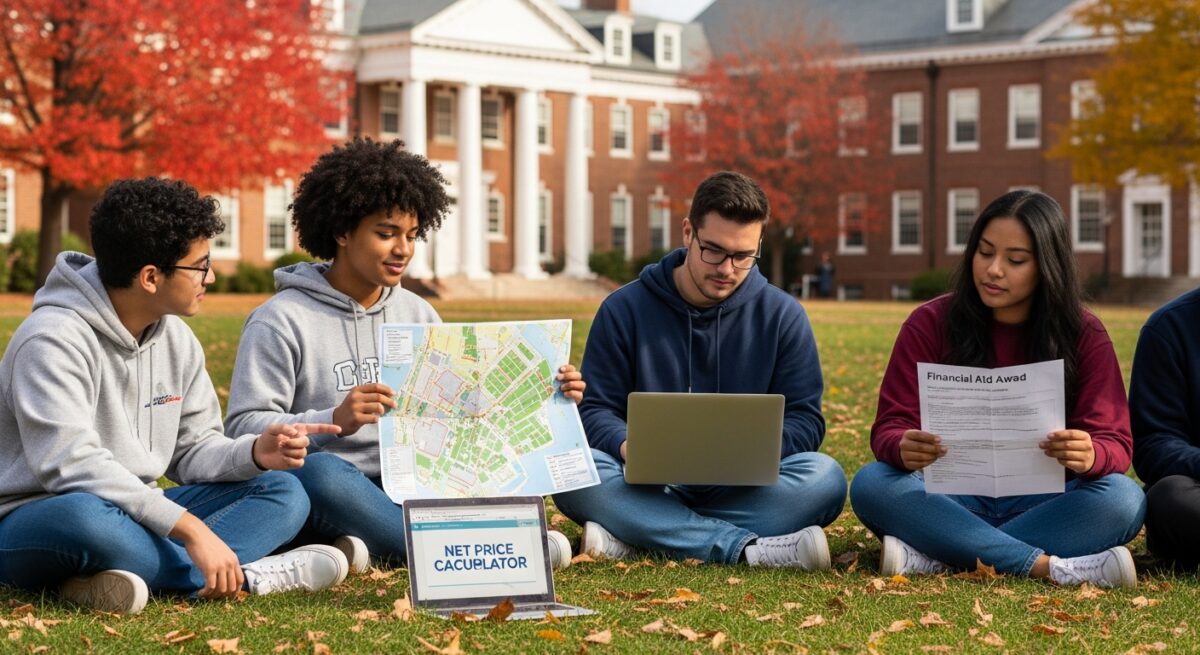
When researching cheap colleges on the east coast, it is critical to look past the published tuition figure. The “sticker price” is rarely what most students pay. Net price, defined as tuition minus grants and scholarships, is the real measure of affordability. For example, a private university with a high list price might offer generous merit aid, making it cheaper than a public flagship for a qualified student. Always use each college’s net price calculator before applying. This tool provides a personalized estimate of your actual cost based on your family’s financial situation.
Another factor is the total cost of attendance, which includes room and board, books, transportation, and personal expenses. A school in a low-cost rural area might have a lower total cost than an urban campus with similar tuition. Furthermore, consider the four-year graduation rate. Paying for an extra year or two can dramatically increase the overall expense. Schools with high graduation rates often provide better advising and clearer degree pathways, which saves you money in the long run.
Flagship Public Universities with Low In-State Tuition
For residents of East Coast states, the most obvious path to an affordable degree is the state’s flagship public university. These institutions offer strong academic programs at a fraction of the cost of private schools. The University of North Carolina at Chapel Hill, for instance, consistently ranks as a top value for in-state students. Similarly, the University of Florida in Gainesville provides a world-class education with very competitive in-state tuition rates and substantial scholarship opportunities for high-achieving students.
Other excellent options include the University of Georgia and the University of Maryland, College Park. Each of these schools offers a wide range of majors, robust research facilities, and extensive alumni networks. For out-of-state students, the cost can be significantly higher. However, many public universities offer regional tuition exchange programs or merit-based scholarships that can reduce the out-of-state premium. The key is to apply early for scholarships and to explore reciprocity agreements between neighboring states.
Hidden Gems: Smaller Public Colleges and Regional Universities
Beyond the flagships, there are many smaller public colleges that offer exceptional value, particularly for students who prefer a more intimate learning environment. Institutions like the State University of New York (SUNY) system, including SUNY Geneseo and SUNY Binghamton, provide high-quality education at relatively low costs. The College of New Jersey (TCNJ) is another example of a public college that delivers a private-school feel without the private-school price tag.
In the South, schools like the University of North Carolina Wilmington and the College of Charleston offer coastal locations with strong academic programs. These institutions often have lower student-to-faculty ratios and a focus on undergraduate teaching. When evaluating these schools, look at their specific program strengths. For example, a student interested in marine biology might find exceptional value at a coastal school, while a future educator might benefit from a college with a strong teaching program. You can explore a detailed comparison of costs and features in our Affordable Colleges Cost Comparison and Budget Guide to see how different institutions stack up.
Private Colleges with Generous Financial Aid
Do not automatically dismiss private colleges as unaffordable. Many private institutions on the East Coast use their endowments to offer substantial need-based and merit-based aid. Schools like Berea College in Kentucky (though technically just outside the region, it sets a model) and the Cooper Union in New York City are famous for covering full tuition for admitted students. Other private colleges, such as St. John’s College in Annapolis, Maryland, offer significant scholarships to attract bright students.
The key to affording a private college is to apply to schools where your academic profile is above the average admitted student. This increases your chances of receiving merit scholarships. Additionally, complete the Free Application for Federal Student Aid (FAFSA) and, for many selective private schools, the CSS Profile. These forms unlock institutional aid that can make a seemingly expensive college affordable. Always check the school’s “financial aid average” to see what typical students actually pay.
Community College as a Strategic Starting Point
One of the most effective ways to secure an affordable degree is to start at a community college and then transfer to a four-year institution. Many East Coast states have strong articulation agreements that guarantee admission to public universities for students who earn an associate degree with a certain GPA. This path can cut the total cost of a bachelor’s degree in half. For example, a student can complete general education requirements at Northern Virginia Community College and then transfer to a Virginia public university as a junior.

Community colleges are also excellent for career-focused programs that lead directly to high-demand jobs. Many offer certificate programs in fields like healthcare, information technology, and skilled trades. These programs often cost a fraction of a four-year degree and can be completed in two years or less. Furthermore, community colleges are increasingly offering bachelor’s degrees in applied fields, providing another affordable pathway to a four-year credential.
Scholarships, Grants, and Work-Study Opportunities
Financing an affordable education requires actively seeking out free money. Scholarships and grants do not need to be repaid, making them the best form of financial aid. Start with the FAFSA, which determines eligibility for federal Pell Grants, Supplemental Educational Opportunity Grants, and work-study programs. Many states also offer grant programs for residents attending in-state schools. For instance, the Florida Bright Futures Scholarship Program rewards high school achievement with substantial tuition coverage.
Beyond government and institutional aid, there are thousands of private scholarships available. Many are based on specific criteria such as intended major, community service, heritage, or unique talents. Websites like scholarship.education provide searchable databases to find these opportunities. It is also wise to apply for local scholarships from community foundations, rotary clubs, and employers. Even small awards of a few hundred dollars can add up and reduce the need for student loans. Dedicate time each week to the scholarship search, as it directly lowers your college costs.
Frequently Asked Questions
What is the cheapest college on the East Coast?
This varies by state and residency status. For in-state students, community colleges are the cheapest option, often costing a few thousand dollars per year. Among four-year public universities, schools like the University of North Carolina at Chapel Hill and the University of Florida offer very low net prices for residents. For out-of-state students, some smaller public universities and private colleges with strong merit aid can be surprisingly affordable.
How can I find affordable east coast colleges for out-of-state students?
Look for schools that offer significant merit scholarships to out-of-state students. Some public universities, like the University of Alabama (though not on the East Coast, it sets an example) use scholarships to attract a diverse student body. Additionally, consider private colleges that meet full financial need. Use net price calculators on each school’s website to estimate your actual cost before applying.
Are online programs from East Coast colleges affordable?
Yes, many East Coast colleges offer online degree programs at lower tuition rates than their on-campus counterparts. Public universities often offer in-state tuition rates to all online students, regardless of where they live. This can be a very cost-effective way to earn a degree from a respected institution. Always check the total cost, including any technology fees, before enrolling.
Making Your Final Decision: Value vs. Cost
Choosing an affordable college is not just about finding the lowest price. It is about finding the best value, which combines academic quality, graduation rate, career outcomes, and total cost. A school that costs slightly more but has a strong co-op program and a high job placement rate may be a better investment than a cheaper school with weaker career services. Similarly, a college that offers a supportive environment and robust advising can help you graduate on time, saving money in the long run.
Create a spreadsheet comparing the net price, graduation rate, average debt at graduation, and starting salaries for your intended major at each school you are considering. Visit campuses if possible, or take virtual tours. Talk to current students and alumni about their experiences. Ultimately, the right affordable college is one that fits your academic needs, career goals, and budget, setting you up for success without overwhelming debt. By using the strategies outlined here, you can find an affordable east coast college that provides a strong return on your educational investment.
About the Author: Emily Wilson