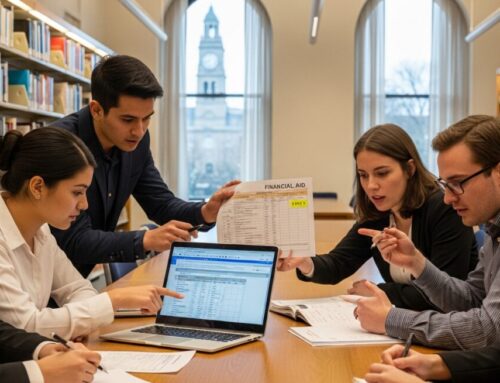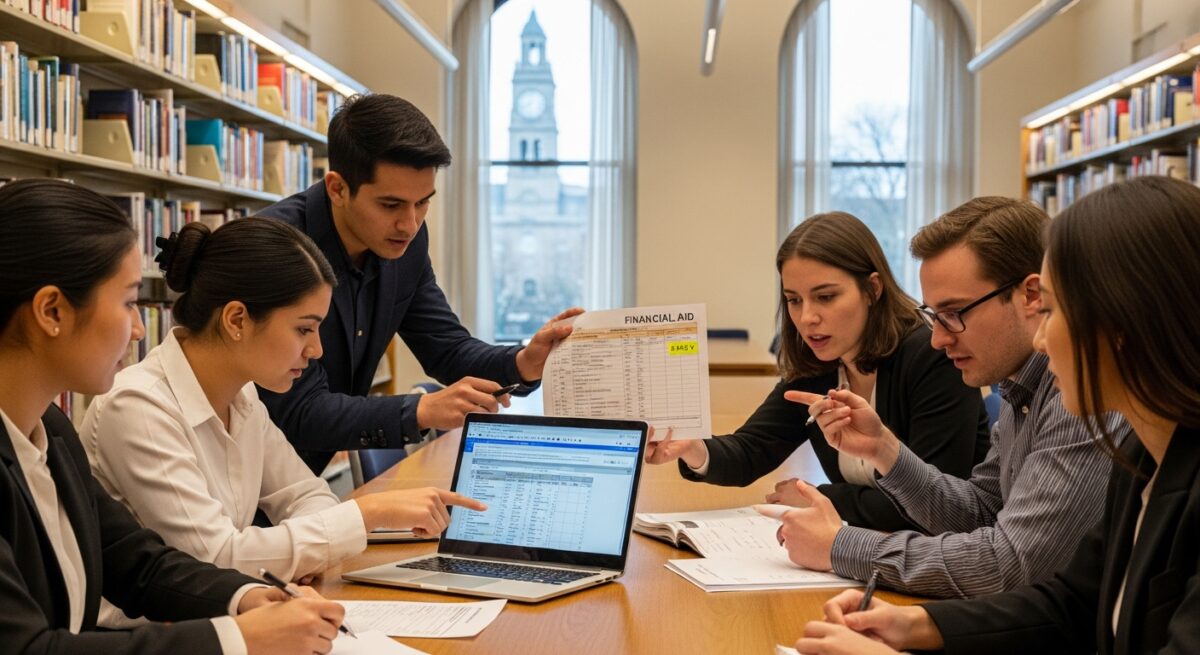
Graduate school is a major investment, but it does not have to lead to a decade of debt. Many high-quality programs offer tuition rates that fit a tight budget, and knowing where to look can make all the difference. This guide explores the most affordable graduate schools for budget conscious students, covering public universities, online options, and strategies to reduce costs. Whether you are pursuing a master’s degree in education, business, or public health, affordable grad schools exist that combine academic rigor with financial practicality. By focusing on value and using the right resources, you can earn an advanced degree without sacrificing your financial future. The key is understanding which inexpensive universities provide strong return on investment and how to access them.
Why Affordability Matters in Graduate Education
Graduate tuition has risen faster than inflation for decades, making cost a central factor in enrollment decisions. The average master’s degree can cost between $30,000 and $120,000 depending on the institution and program. For budget conscious students, the difference between a $15,000 degree and a $60,000 degree is often the difference between manageable debt and financial hardship. Affordability is not just about the sticker price. It includes fees, textbooks, living expenses, and lost income during study. The most affordable graduate programs often minimize these hidden costs through online delivery, accelerated timelines, or partnerships with employers. Identifying these programs early allows you to plan effectively and avoid surprise bills.
Furthermore, attending an inexpensive university does not mean compromising on quality. Many regional public universities, for example, offer accredited programs that are well respected in their fields. They often have smaller class sizes and faculty who are dedicated to teaching rather than research. The key is to look beyond brand names and focus on outcomes such as graduation rates, job placement, and licensing exam pass rates. When you combine low tuition with strong outcomes, you find the true value in affordable graduate education.
Types of Affordable Graduate Schools
Public Universities (In-State and Regional)
Public universities are among the most affordable graduate schools for budget conscious students, especially for in-state residents. Tuition at a public university for state residents is often 50 to 70 percent lower than out-of-state or private rates. Many states also offer reciprocity agreements with neighboring states, allowing students to pay reduced rates. For example, the Western Interstate Commission for Higher Education (WICHE) allows students in 16 western states to attend participating programs at reduced tuition. Similarly, the Midwest Student Exchange Program offers discounts for students in the Midwest. These programs make regional public universities an excellent choice for cost conscious learners.
Examples of affordable public graduate programs include: the University of Texas at Tyler (MBA tuition around $12,000 per year), the University of West Georgia (master’s in education around $10,000 per year), and the University of North Carolina at Greensboro (many programs under $15,000 per year). These schools often have strong connections to local industries, which can lead to internships and job placements. If you are willing to relocate or already live in a state with affordable public universities, this route can save tens of thousands of dollars.
Online Graduate Programs
Online graduate programs have exploded in popularity, and they are often significantly cheaper than their on-campus counterparts. Without the overhead of physical facilities, online programs can offer lower tuition rates. They also eliminate commuting and relocation costs, which is a major advantage for budget conscious students. Many online programs charge the same tuition regardless of state residency, making them accessible to a wider audience. For example, the University of Florida’s online master’s in business administration costs about $12,000 total, while the on-campus version is over $30,000. Similarly, Georgia Tech’s online master’s in computer science is one of the most affordable graduate programs in the world at under $10,000 total.
When considering online programs, look for accreditation from recognized bodies such as the Higher Learning Commission or the Association to Advance Collegiate Schools of Business. Accreditation ensures that the program meets quality standards and that your degree will be respected by employers. Many online programs also offer flexible scheduling, allowing you to work while you study. This can reduce the need for loans and help you graduate with less debt. For those exploring options, our guide on Cheapest Grad Schools Online: Top Picks for Budget Students provides detailed comparisons and tips for finding the best value programs.
Community College Graduate Pathways
An often overlooked option is starting graduate coursework at a community college. Some community colleges offer master’s degrees in partnership with four-year universities. For example, a community college might offer the first year of a master’s in education or nursing at a fraction of the cost, with credits that transfer seamlessly. This hybrid model can cut total tuition by 30 to 50 percent. It is especially common in fields like teaching, nursing, and social work, where regional demand for professionals is high. Check with your local community college to see if they have such partnerships. This strategy works best for students who are disciplined about transferring credits and completing the program within a set timeframe.
How to Identify the Most Affordable Graduate Programs
Finding affordable grad schools requires more than a quick Google search. You need a systematic approach that evaluates total cost, financial aid, and return on investment. Here are the key steps to follow:
- Compare tuition rates across multiple schools. Use the National Center for Education Statistics (NCES) College Navigator tool to look up per-credit costs and fees for each program you consider.
- Check for tuition waivers and assistantships. Many graduate programs offer teaching or research assistantships that cover tuition and provide a stipend. These positions are competitive but can make even expensive schools affordable.
- Look for employer tuition reimbursement. If you are currently employed, ask your human resources department about tuition assistance. Many companies offer $5,000 to $10,000 per year for job-related graduate study.
- Investigate scholarship and grant opportunities. Unlike loans, scholarships and grants do not need to be repaid. Look for field-specific scholarships, minority scholarships, and state-funded grants.
- Consider accelerated programs. A one-year master’s degree costs less than a two-year program because you spend less time out of the workforce and pay fewer semesters of tuition.
Once you have identified potential schools, create a spreadsheet to compare total cost of attendance (tuition, fees, books, and living expenses) against potential earnings after graduation. This analysis will help you prioritize programs that offer the best financial outcomes. Remember, the cheapest program is not always the best value if it leads to low job placement. Look for programs with high graduation rates and strong career services.
Top Fields for Affordable Graduate Degrees
Some graduate fields are inherently more affordable than others. Here are three areas where you can find inexpensive universities and still earn a degree that leads to a stable career.
Education. Master’s degrees in education, especially in teaching, curriculum design, and educational leadership, are among the most affordable graduate programs. Many public universities offer these programs at low tuition rates because there is a public need for qualified educators. For example, the University of Texas at Tyler’s master’s in education costs approximately $10,000 per year. Western Governors University, a fully online nonprofit, offers education degrees for about $4,000 per six-month term. These programs often lead to salary increases for teachers and can open doors to administrative roles.

Public Administration and Public Policy. Degrees in public administration (MPA) and public policy (MPP) are often offered at affordable rates by regional public universities. They prepare graduates for careers in government, nonprofit management, and advocacy. The University of Nebraska at Omaha, for instance, offers an MPA for around $12,000 per year for in-state students. These programs frequently include internships with local government agencies, which can lead to jobs after graduation. The return on investment is strong because public sector jobs often come with loan forgiveness programs.
Nursing (MSN). Master’s degrees in nursing are in high demand, and many public universities offer them at competitive prices. Online MSN programs can be particularly affordable. For example, the University of Texas at Arlington offers an online MSN for approximately $14,000 total. These programs are designed for working nurses, allowing you to continue earning while you study. Graduates often see significant salary increases, making the investment worthwhile.
Financial Aid and Scholarship Resources
Even at affordable graduate schools, financial aid is crucial for budget conscious students. The first step is to complete the Free Application for Federal Student Aid (FAFSA), which determines eligibility for federal loans, work-study programs, and some grants. Graduate students can borrow up to $20,500 per year in unsubsidized Stafford loans and additional amounts through Grad PLUS loans. However, loans should be a last resort after exhausting scholarships, grants, and employer assistance. Many states offer grant programs for graduate students in high-need fields. For example, the California State University system offers the State University Grant for eligible graduate students. Additionally, private scholarships from professional organizations, foundations, and community groups can reduce out-of-pocket costs.
Another valuable resource is scholarship.education, a platform that aggregates scholarship opportunities for graduate students across various fields. By searching for scholarships early and applying to multiple opportunities, you can significantly lower your tuition burden. Many scholarships go unclaimed each year because students do not apply. Dedicate time each week to searching and applying for scholarships; it can pay off substantially.
Strategies to Minimize Graduate School Costs
Beyond choosing an affordable school, there are several practical strategies to reduce overall costs. First, consider enrolling part-time while working full-time. This spreads the cost over a longer period and reduces the need for loans. Second, take advantage of tuition payment plans offered by many universities. These plans allow you to pay tuition in monthly installments rather than a lump sum, which can ease cash flow. Third, buy used or digital textbooks to save hundreds of dollars per semester. Fourth, use campus resources such as the library, career center, and free tutoring to avoid extra expenses. Finally, if you are relocating for school, choose a city with a low cost of living. Many affordable graduate schools are located in smaller towns where rent and groceries are cheaper.
Frequently Asked Questions
What is the cheapest graduate degree to get?
The cheapest graduate degrees are often in education, public administration, and certain online programs. Master’s in education at public universities can cost as little as $10,000 to $15,000 total. Online programs like Georgia Tech’s computer science master’s are also very affordable at under $10,000.
Are online graduate degrees respected by employers?
Yes, as long as the program is accredited by a recognized agency. Employers care more about the skills and knowledge you gain than the format of the degree. Accredited online programs from reputable universities are widely accepted.
Can I get a full scholarship for graduate school?
Full scholarships for graduate school are rare but possible, especially for research-based programs where you work as a teaching or research assistant. These positions typically cover tuition and provide a stipend. Fellowship programs and employer tuition reimbursement can also effectively cover full costs.
How do I know if a graduate program is affordable?
Compare the total cost of attendance (tuition, fees, books, living expenses) across multiple programs. Look at the net price after scholarships and grants. Also consider the program length and whether you can work while studying. A program that costs $20,000 but takes three years may be less affordable than a $25,000 program that takes one year.
What is the return on investment for an affordable graduate degree?
Return on investment depends on the field and your career goals. In general, degrees in nursing, engineering, computer science, and business offer high earnings potential. For example, an affordable MSN can lead to a $20,000 to $30,000 salary increase. Use tools like the Department of Education’s College Scorecard to see median earnings for graduates of specific programs.
Final Thoughts
Graduate school is a powerful tool for career advancement, but it should not come at the cost of financial stability. By focusing on affordable graduate schools for budget conscious students, you can earn a valuable degree without overwhelming debt. Public universities, online programs, and accelerated pathways offer real opportunities for cost savings. Use the strategies outlined in this guide to research programs, apply for scholarships, and minimize expenses. With careful planning, you can achieve your educational goals and build a secure financial future. Start your search today and take the first step toward an affordable graduate degree.
About the Author: David Reynolds