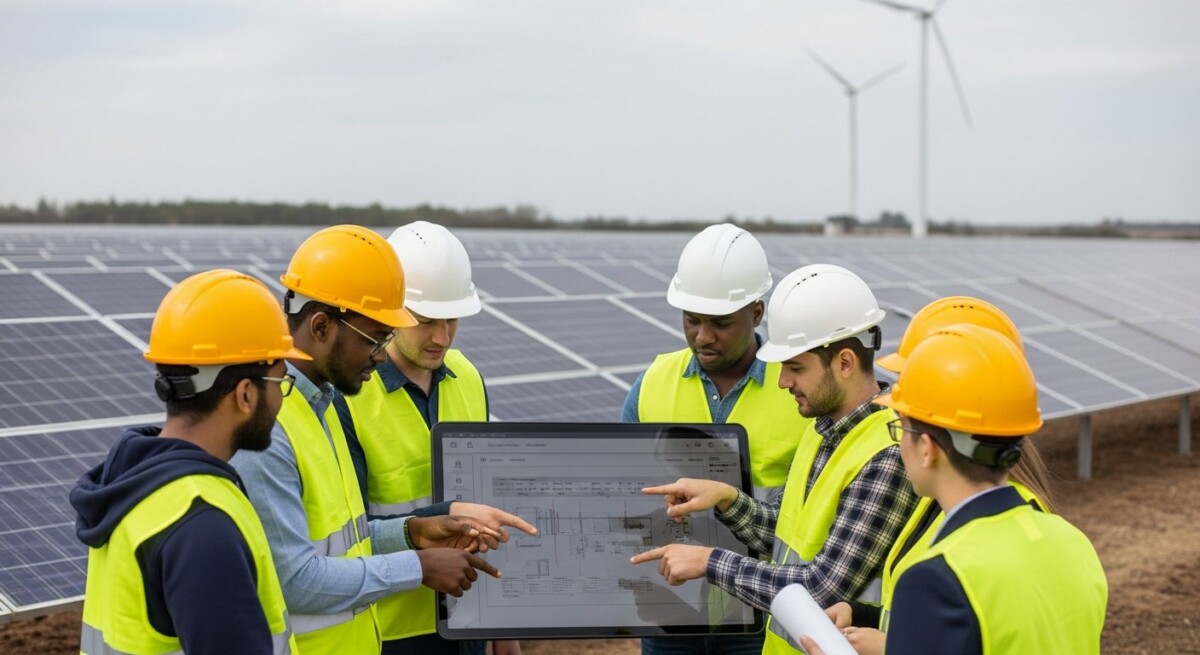
The global energy landscape is shifting at an unprecedented pace. Solar farms are expanding across deserts, wind turbines are rising on coastlines, and electric vehicles are becoming a standard sight on highways. For students and professionals looking to enter this dynamic field, the question is no longer if they should pursue a renewable energy career, but how. The answer often begins with selecting the right academic pathway. Choosing from the available degrees for renewable energy careers 2026 requires a clear understanding of industry trends, emerging technologies, and the specific skills that employers will demand. This article provides a roadmap for aligning your education with the future of sustainable energy.
The renewable energy sector is not a monolith; it is a complex ecosystem of engineering, policy, finance, and project management. According to the U.S. Bureau of Labor Statistics, jobs in wind turbine service and solar photovoltaic installation are projected to grow much faster than average over the next decade. However, these technician roles are just one entry point. The industry also desperately needs electrical engineers, data analysts, environmental scientists, and business leaders who can navigate the regulatory and financial complexities of large-scale energy projects. As we approach 2026, the most valuable degrees will blend technical rigor with practical, hands-on application.
Why the Right Degree Matters More Than Ever in 2026
The renewable energy industry is maturing. In its early days, a general engineering degree or a passion for environmentalism was often enough to get a foot in the door. That is no longer the case. Companies are now looking for specialists who can solve specific problems. A wind farm operator needs someone who understands turbine blade aerodynamics and predictive maintenance algorithms. A utility company needs a grid integration engineer who can manage the intermittency of solar and wind power. A startup developing next-generation battery storage needs a chemical engineer with expertise in materials science.
This specialization means that your degree choice is a critical career investment. A general degree may leave you competing with hundreds of other applicants for entry-level positions. A targeted degree, on the other hand, signals to employers that you possess the exact knowledge they need. Furthermore, many of the most exciting roles in 2026 will involve technologies that are still scaling up today, such as green hydrogen production, advanced nuclear (including small modular reactors), and carbon capture systems. The right degree program will provide the foundational knowledge to contribute to these cutting-edge fields.
Financial considerations also play a massive role. The cost of tuition is a significant barrier for many students. It is essential to weigh the potential return on investment of a specialized degree against more affordable options. For example, an associate degree in solar technology can lead to a well-paying job in a few years, while a master’s in renewable energy engineering requires a larger upfront commitment but can unlock senior leadership roles. Prospective students should explore all avenues for funding.
Top Degree Pathways for a Career in Renewable Energy
When exploring degrees for renewable energy careers 2026, it is helpful to categorize them by focus area. The best choice for you will depend on your interests, whether you prefer hands-on technical work, abstract problem-solving, or strategic business planning. Below are the most promising degree categories and the specific roles they prepare you for.
Engineering Disciplines: The Technical Backbone
Engineering remains the most direct route into the renewable energy industry. However, not all engineering degrees are created equal. Mechanical and electrical engineering are the most versatile, but specialized programs are growing in popularity.
Electrical Engineering (Power Systems): This is arguably the most critical discipline for the energy transition. The challenge of integrating renewable sources into the aging electrical grid is immense. Electrical engineers specializing in power systems work on smart grids, microgrids, and high-voltage direct current (HVDC) transmission lines. They design the systems that ensure power flows reliably from the source to the consumer.
Mechanical Engineering (Energy Systems): Mechanical engineers design the physical components of renewable energy systems. This includes wind turbine gearboxes, solar tracker mechanisms, and the thermal systems in concentrated solar power plants. A focus on thermodynamics and fluid mechanics is particularly valuable for roles in wind and hydropower.
Chemical Engineering (Process & Materials): Chemical engineers are essential for the biofuels, battery storage, and green hydrogen sectors. They develop new materials for more efficient solar panels, design the chemical processes for producing sustainable fuels, and work on improving the energy density and safety of batteries.
Specialized Renewable Energy and Sustainability Degrees
Many universities now offer undergraduate and graduate degrees specifically tailored to the renewable energy sector. These programs often provide a more holistic education, combining technical fundamentals with policy, economics, and environmental science.
A Bachelor of Science in Renewable Energy Engineering is a direct choice. These programs cover solar, wind, hydro, and geothermal technologies, often with significant laboratory and project-based components. A Master of Science in Sustainable Energy is ideal for those who already hold a bachelor’s degree in a related field and want to specialize or move into management. These graduate programs often include coursework in energy markets, carbon accounting, and project finance.
For those interested in the policy and planning side, a degree in Environmental Science or Sustainability Studies can be a strong foundation. These programs focus on the ecological impact of energy projects, regulatory compliance, and community engagement. Graduates often work for government agencies, non-profits, or as consultants for private developers.
How to Choose the Best Program for Your Goals
Selecting from the many available degrees for renewable energy careers 2026 can feel overwhelming. To simplify the process, focus on evaluating programs based on a few key criteria. A structured approach will help you identify the program that offers the best fit for your career aspirations and financial situation.
Here are the critical factors to consider when comparing degree programs:
- Curriculum Relevance: Look for courses that cover current industry topics like grid-scale battery storage, offshore wind technology, or energy data analytics. Avoid programs that rely on outdated textbooks.
- Internship and Co-op Opportunities: Hands-on experience is non-negotiable. The best programs have strong partnerships with utilities, manufacturers, and project developers. An internship often leads directly to a job offer.
- Faculty Expertise: Research the professors. Are they actively publishing research in solar cell efficiency, wind farm optimization, or smart grid technology? Faculty with industry connections can provide invaluable mentorship and networking.
- Accreditation: Ensure the program is accredited by a recognized body like ABET (for engineering programs). This is often a requirement for professional licensure and ensures the education meets high standards.
Once you have a shortlist of programs, reach out to their career services offices. Ask for data on graduate employment rates and the companies that recruit from the program. This data is far more valuable than a program’s marketing materials. For those seeking a flexible and often more affordable path, exploring online degree options in energy management can provide the specialized knowledge needed without the need to relocate.
The Financial Side: Making Your Degree Affordable
Investing in a degree is a significant financial decision. Fortunately, the renewable energy sector is a priority for many governments and private foundations, which translates into a wide array of funding opportunities. Students should aggressively pursue scholarships, grants, and assistantships to minimize student loan debt.
Many utility companies and energy associations offer scholarships to students pursuing degrees in relevant fields. The American Solar Energy Society and the American Wind Energy Association are good places to start your search. Federal financial aid, including Pell Grants and federal student loans, is available for eligible students at accredited institutions. For graduate students, research and teaching assistantships often provide a full tuition waiver and a stipend in exchange for work on campus.
It is also wise to consider the total cost of attendance, including living expenses. An online program can save you money on housing and transportation. Community colleges offer a cost-effective way to complete general education requirements before transferring to a four-year university. In our guide on affordable online healthcare administration degrees, we discuss strategies for reducing costs that apply broadly to other fields, such as comparing per-credit-hour rates and seeking out military or employer tuition assistance programs.
Career Outlook and Emerging Roles in 2026
The job market for renewable energy professionals is robust and expected to grow. The Inflation Reduction Act in the United States has catalyzed massive investment in domestic clean energy manufacturing and deployment. This is creating a surge in demand for engineers, project managers, and skilled tradespeople.
Some of the most in-demand roles for 2026 include:
- Energy Storage Engineer: Focuses on designing and integrating battery systems for grid-scale and residential applications.
- Wind Farm Site Manager: Oversees the day-to-day operations and maintenance of a wind farm, managing a team of technicians.
- Solar Project Developer: Responsible for identifying sites, securing permits, and managing the financial modeling for new solar installations.
- Grid Modernization Analyst: Uses data analytics to help utilities predict energy demand and manage the flow of electricity from variable renewable sources.
- Carbon Management Specialist: Helps companies measure, report, and reduce their carbon footprint, often working on carbon offset projects or direct air capture technology.
Frequently Asked Questions
What is the fastest way to start a career in renewable energy?
For those looking for a quick entry point, a two-year associate degree or a certificate program in solar panel installation or wind turbine maintenance is the fastest route. These programs focus on hands-on skills and can lead to immediate employment as a technician.
Do I need a master’s degree to work in renewable energy?
Not necessarily. Many entry-level engineering and technician roles require only a bachelor’s degree or an associate degree. A master’s degree is beneficial for advancing into research, senior engineering, or leadership positions. It can also help you pivot into the field if your undergraduate degree is in an unrelated area.
Are online degrees in renewable energy respected by employers?
Yes, provided the program is from an accredited, reputable university. Many top engineering schools now offer online master’s degrees in renewable energy and sustainability. Employers are most interested in the skills and knowledge you possess, not whether you attended classes in person or online.
Which renewable energy field pays the highest salaries?
Generally, roles in engineering and project management command the highest salaries. According to industry surveys, solar software engineers, wind energy engineers, and energy storage specialists often earn six-figure salaries with experience. Technician roles, while well-paying, typically have a lower salary ceiling than engineering roles.
Building Your Future in Clean Energy
The transition to a sustainable energy system is one of the defining challenges and opportunities of our time. Choosing the right educational path is a powerful first step. By carefully researching degrees for renewable energy careers 2026, you can align your passion with a practical, in-demand skill set that will serve you for decades. The work is challenging, but the reward is a career that not only provides a good living but also contributes directly to a healthier planet. Start your research today, use the resources available to you, and take the first step toward a future powered by clean energy.
About the Author: David Reynolds