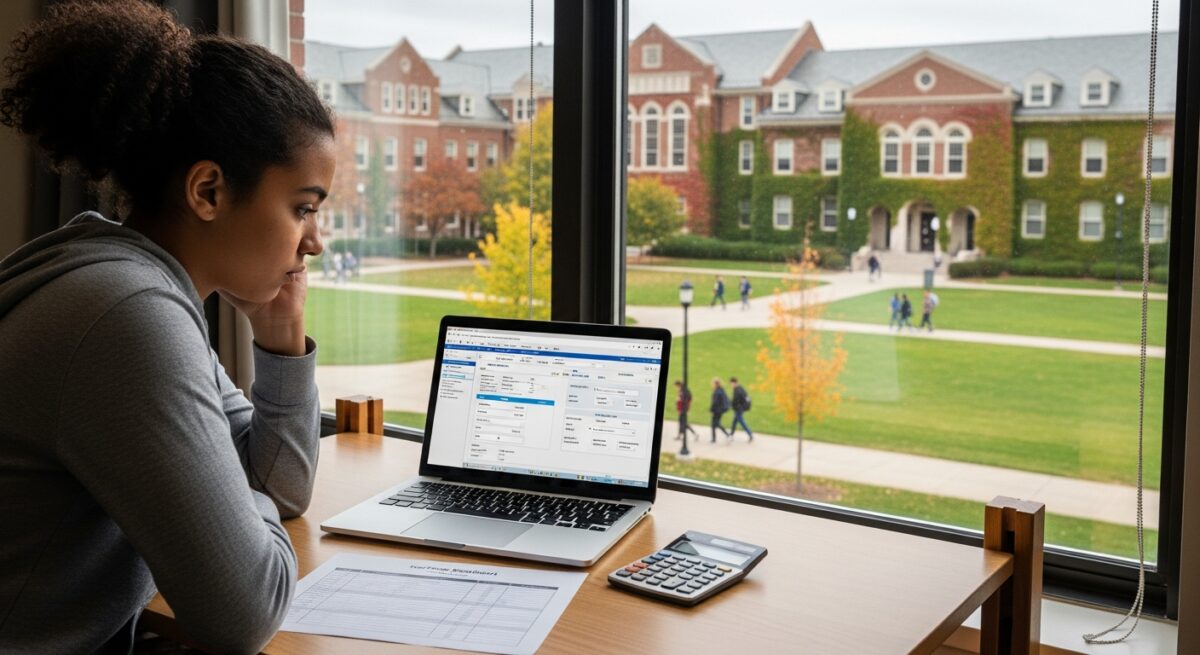
College is more than a path to a degree. It is a concentrated period of personal and professional growth, and the landscape of higher education opportunities continues to expand. For today’s students, the classroom is no longer the only place where valuable skills are acquired. From internships to digital credentials, the range of learning opportunities for college students is vast. Understanding how to identify and leverage these options can significantly impact your career trajectory and financial future. This guide explores the most impactful ways to build skills, gain experience, and maximize your return on investment during your college years.
Beyond the Lecture Hall: Expanding Your Skill Set
The traditional college curriculum provides a strong academic foundation, but employers increasingly seek candidates with practical experience and a demonstrable ability to adapt. This shift has made non-traditional learning pathways more critical than ever. Students who actively seek out diverse learning opportunities often graduate with a competitive edge, having developed both hard and soft skills that are immediately applicable in the workplace.
One of the most effective ways to supplement your major is through experiential learning. This includes internships, co-ops, and undergraduate research. These programs allow you to apply theoretical knowledge in real-world settings, providing clarity on career preferences and building a professional network. For instance, a business major might intern with a local startup to understand supply chain management, while a computer science student could contribute to a professor’s research on machine learning algorithms. These experiences are not just resume builders. They are transformative learning opportunities that shape your professional identity and often lead to job offers before graduation.
High-Impact Learning Opportunities for College Students
To fully capitalize on your time in school, it helps to have a strategic approach. Not all extracurriculars or academic programs offer the same value. The most impactful opportunities are those that challenge you, provide mentorship, and offer a tangible outcome such as a certificate, a publication credit, or a professional reference. Here are several avenues worth exploring:
Internships and Cooperative Education (Co-ops) remain the gold standard for career preparation. They provide a structured environment where you can learn industry-specific tools and practices. Many universities have dedicated career centers that help place students in these programs. Some co-op programs alternate semesters of full-time work with academic study, allowing you to earn money while gaining credit and experience. The financial benefit of a co-op can also help offset tuition costs, making it a smart strategy for managing education expenses. For more tips on stretching your budget during this time, you might find our guide on Saving Money Hacks for College Students helpful.
Undergraduate Research is not just for science majors. Humanities, social sciences, and arts students can also participate in faculty-led research projects. Presenting your findings at a campus symposium or a national conference is a powerful way to demonstrate critical thinking and communication skills. Many institutions offer summer research stipends, turning what could be a passive summer into a productive and paid learning experience.
Study Abroad Programs offer a unique form of higher education opportunity that combines academic rigor with cultural immersion. Living and studying in another country forces you to develop adaptability, language skills, and a global perspective. These are highly valued traits in an increasingly interconnected economy. Even a short-term, faculty-led trip over spring break can provide a transformative educational experience.
Digital Credentials and Micro-Credentials are rapidly growing in importance. Platforms like Coursera, edX, and LinkedIn Learning offer specialized certificates in fields like data analytics, project management, and digital marketing. Earning a Google Career Certificate or a certification in AWS Cloud Practitioner while completing your degree shows initiative and technical competence. These credentials are often more current than traditional textbooks and can be completed alongside your regular coursework.
Making the Most of On-Campus Resources
Your college campus is filled with learning opportunities that are often free or heavily subsidized. The career center, for example, offers more than just job postings. They provide workshops on resume writing, interview preparation, and networking strategies. The writing center can help you refine your academic papers, while the tutoring center offers support in challenging subjects. These resources are designed to support your success, yet many students underutilize them.
Student organizations and clubs are another rich source of learning. Joining the debate team sharpens public speaking skills. Participating in a student-run investment club provides hands-on finance experience. Running for student government teaches leadership and negotiation. These activities are not just social outlets. They are practical labs for developing the competencies that employers look for, such as teamwork, conflict resolution, and project management. When selecting which organizations to join, focus on quality over quantity. Deep involvement in one or two groups is often more valuable than shallow membership in many.
Strategic Planning for Your Education Journey
Not all learning opportunities for college students carry the same weight. To ensure you are making the best use of your time and money, consider creating a personal development plan. Start by identifying your target career field or graduate program. Research the specific skills and experiences they require. Then, map out how you will acquire them over your four years.

Here is a simple framework for building a portfolio of experiences:
- Year One: Focus on academic exploration and foundational skills. Visit the career center, join one or two clubs, and attend guest lectures. Start a LinkedIn profile.
- Year Two: Pursue a leadership role in a club or organization. Apply for a part-time job or volunteer role related to your field. Consider taking a micro-credential course online.
- Year Three: Secure a summer internship or co-op. Participate in undergraduate research. Attend a professional conference.
- Year Four: Complete a capstone project or thesis. Network aggressively with alumni. Utilize the career center for job placement services.
This structured approach ensures you are not scrambling for experience during your senior year. It also helps you make informed decisions about your major and career path early on, potentially saving you from costly changes later. Remember that the goal is to build a narrative of growth and competence that you can present to future employers or graduate schools.
Frequently Asked Questions
What is the single most important learning opportunity for a college student?
While it varies by field, an internship is widely considered the most impactful. It provides real-world experience, professional references, and often leads directly to a job offer. It bridges the gap between academic theory and workplace reality.
How can I find affordable learning opportunities outside of my major?
Start with your own university. Free workshops, guest lectures, and clubs are abundant. Online platforms like Coursera and edX offer many free courses. Also, look for student discounts on professional certifications. Keep an eye out for free learning opportunities sponsored by your student government or academic department.
Are online courses worth the time and money for a college student?
Yes, especially if they provide a specific, in-demand skill not covered by your major. For example, a history major might take a digital marketing certification to diversify their skill set. However, prioritize free resources first and only pay for courses that offer a recognized credential or portfolio project.
How do I balance extracurricular learning with my coursework?
Time management is key. Treat your learning opportunities like classes by scheduling them into your calendar. Start small with one or two activities per semester. Communicate with your professors if you have a major commitment like an internship during the semester. Many schools allow for academic credit for internships, which helps balance the workload.
Can learning opportunities help reduce college costs?
Absolutely. Co-op programs and paid internships provide direct income that can be used for tuition or living expenses. Some research and study abroad programs offer stipends or scholarships. Earning micro-credentials can also make you a more competitive candidate for high-paying part-time jobs or future roles. Exploring these higher education opportunities is a smart financial move.
To explore degree programs and schools that emphasize experiential learning and career readiness, you can research accredited institutions through resources like CollegeDegree.school.
Building a Foundation for Lifelong Success
The value of a college education extends far beyond the transcript. The most successful graduates are those who actively curate their own learning journey. By strategically combining classroom instruction with internships, research, digital credentials, and campus involvement, you create a robust portfolio of skills and experiences. This proactive approach not only enhances your resume but also builds confidence and clarity about your future path. The diverse learning opportunities for college students available today are tools. Your job is to learn how to use them effectively to build a career and a life that is both fulfilling and financially sustainable. Start exploring your options today. The effort you invest now will pay dividends for decades to come.
About the Author: Olivia Martin