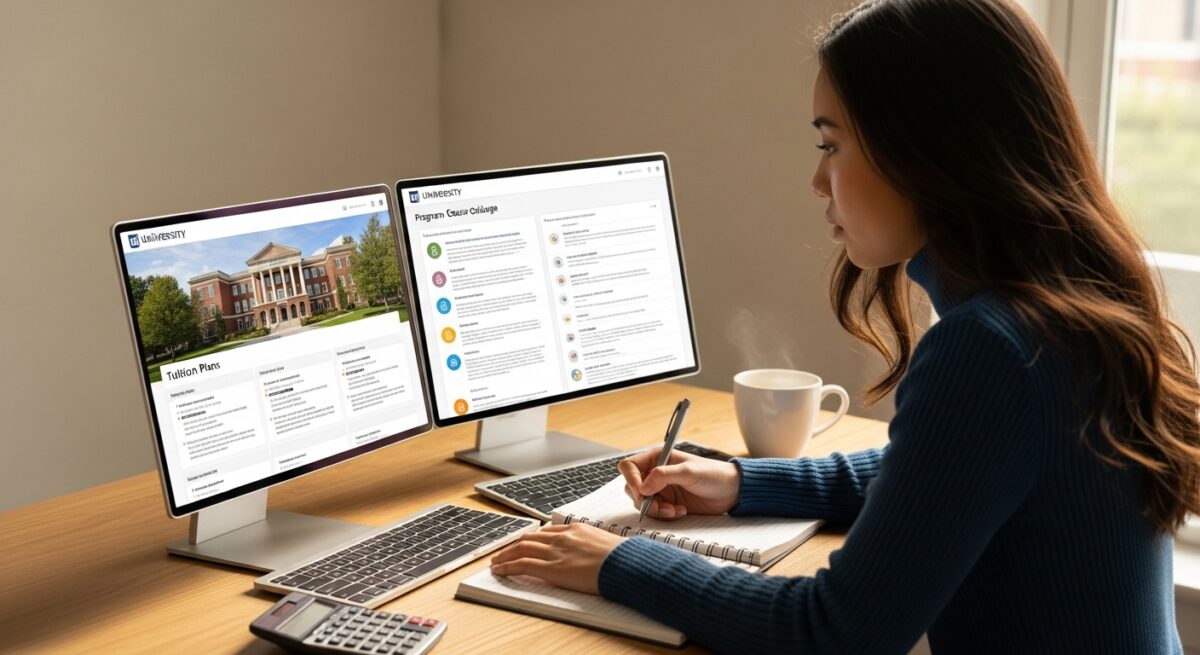
Distance learning has transformed higher education, and North Carolina stands at the forefront of this shift. For students balancing work, family, or other commitments, the flexibility of earning a degree from home is invaluable. North Carolina universities offering virtual degree programs provide accredited, high-quality education without the need to relocate or commute. Whether you are pursuing an associate degree, a bachelor’s, or a graduate credential, these programs offer the same rigorous curriculum as on-campus options. This article explores the leading institutions, program types, costs, and strategies to help you choose the right path.
Why Choose a Virtual Degree Program in North Carolina?
North Carolina has long been a hub for education, with a strong network of public and private universities. The state’s commitment to accessible learning is evident in the range of online options available. Students benefit from lower costs compared to out-of-state private schools, and many programs allow you to study at your own pace. Additionally, virtual programs often eliminate expenses like housing and transportation, making them a cost-effective choice. For families concerned about college affordability, exploring affordable North Carolina colleges with low tuition options can help you plan effectively.
Flexibility and Accessibility
Online degrees are designed for the modern student. You can access lectures, assignments, and discussions from anywhere with an internet connection. This flexibility is ideal for working adults, parents, or those in rural areas. Many programs also offer asynchronous courses, meaning you can log in when it suits your schedule. This approach reduces the stress of rigid timetables while maintaining academic standards.
Accreditation and Quality Assurance
When evaluating North Carolina universities offering virtual degree programs, accreditation is critical. The Southern Association of Colleges and Schools Commission on Colleges (SACSCOC) accredits most reputable institutions in the state. Accreditation ensures that credits transfer, degrees are recognized by employers, and you qualify for federal financial aid. Always verify a program’s accreditation status before enrolling.
Leading North Carolina Universities With Strong Online Programs
Several universities in North Carolina have invested heavily in virtual learning infrastructure. Below are the top institutions known for their online degree offerings.
University of North Carolina at Chapel Hill
UNC Chapel Hill offers a variety of online graduate programs, including master’s degrees in public health, nursing, and business administration. The university’s online MBA is consistently ranked among the best in the nation. Courses are taught by the same faculty who teach on campus, ensuring a high level of instruction. The school also provides robust student support services, including virtual advising and career counseling.
North Carolina State University
NC State University is a leader in engineering, technology, and agricultural sciences. Its online programs include bachelor’s completion degrees, master’s degrees, and certificates. The university uses a combination of live sessions and recorded lectures to create an interactive experience. Students in fields like computer science, electrical engineering, and data analytics can complete their degrees entirely online.
University of North Carolina at Greensboro
UNCG offers more than 30 fully online degree programs, spanning education, nursing, business, and liberal arts. The university is particularly known for its online RN to BSN program, which helps registered nurses advance their careers. UNCG also provides a dedicated online student portal with resources like tutoring and library access.
East Carolina University
ECU has a strong reputation for online education, with over 70 degree and certificate programs available remotely. The university’s distance education unit, ECU Online, specializes in fields like health sciences, education, and business. Many programs are designed with working professionals in mind, offering accelerated formats and multiple start dates throughout the year.
Appalachian State University
App State offers online graduate programs in education, business administration, and healthcare management. The university’s Reich College of Education provides online teaching licensure programs that are popular among career changers. Appalachian State also offers a number of undergraduate degree completion programs for transfer students.
Types of Virtual Degrees Available
North Carolina universities offering virtual degree programs cover nearly every academic discipline. Here is a breakdown of common program levels and fields.
- Associate Degrees: Community colleges like Wake Technical Community College and Central Piedmont Community College offer two-year online programs in fields like business, information technology, and healthcare. These are affordable options for starting a bachelor’s degree or entering the workforce quickly.
- Bachelor’s Degree Completion: Many universities offer online programs for students who have completed some college credit. Examples include online RN to BSN programs and bachelor’s degrees in criminal justice, psychology, and business administration.
- Master’s Degrees: Graduate programs are widely available online, especially in education, nursing, business, and public administration. These programs often require a thesis or capstone project but can be completed entirely remotely.
- Doctoral Degrees: Some universities, such as UNC Greensboro and NC State, offer online doctorates in education (EdD) and nursing practice (DNP). These programs are research-intensive but provide flexibility for working professionals.
- Certificates and Licensures: Short-term online certificates in data analytics, project management, and teaching licensure are popular for career advancement. They typically require fewer credits than a full degree.
Each program type has unique admission requirements. For example, master’s programs often require a bachelor’s degree and standardized test scores, while certificate programs may only need a high school diploma. Always check the specific prerequisites for your chosen field.
Costs and Financial Aid for Online Degrees
One major advantage of virtual programs is the potential for lower costs. In-state tuition rates apply to many online degrees offered by public North Carolina universities. For out-of-state students, some institutions offer reduced tuition for online learners, though this varies. Additionally, you save on room and board, transportation, and campus fees.
Financial aid is available for online students. You can apply for federal grants, loans, and work-study programs by completing the Free Application for Federal Student Aid (FAFSA). Many universities also offer scholarships specifically for distance learners. For instance, ECU’s online students can access the same financial aid resources as on-campus students. To explore broader options for reducing costs, consider reading about affordable Alabama universities with low-cost degree options for comparison, though North Carolina remains a strong choice for value.
Tuition Comparison Example
To illustrate, the University of North Carolina at Greensboro charges approximately $250 per credit hour for in-state online undergraduate courses. Out-of-state students may pay around $850 per credit hour, but many programs offer regional tuition agreements or discounts. Always check the university’s online tuition page for the most current rates.
How to Choose the Right Online Program
Selecting the best virtual degree program requires careful research. Start by identifying your career goals and preferred learning style. Do you need a program that offers live classes, or are pre-recorded lectures sufficient? Next, verify accreditation and ensure the program meets licensure requirements for your profession. For example, nursing and teaching programs often have specific clinical or practicum components that must be completed in person.
Also, consider the technology requirements. Most online programs require a reliable computer, high-speed internet, and familiarity with learning management systems like Canvas or Blackboard. Some programs provide laptops or software discounts, so ask about available resources.
Finally, read student reviews and graduation rates. A program with high completion rates and positive feedback indicates strong support systems. Many universities offer virtual open houses or information sessions where you can ask questions directly.
Frequently Asked Questions
Are online degrees from North Carolina universities respected by employers?
Yes, as long as the university is accredited. Employers recognize degrees from reputable institutions like UNC Chapel Hill and NC State regardless of the delivery format. Your diploma will not indicate that courses were taken online.
Can I transfer credits from an online program to another university?
Typically, yes, if the credits come from a regionally accredited institution. North Carolina’s public universities have transfer agreements that facilitate credit movement. Always confirm with the receiving school before enrolling.
Do online students have access to career services?
Most universities offer career counseling, resume reviews, and job placement assistance to online students. For example, ECU Online provides virtual career fairs and networking events.
How long does it take to complete an online degree?
It depends on the program and your pace. Associate degrees typically take two years, bachelor’s degrees four years, and master’s degrees one to two years. Accelerated programs may allow you to finish faster.
Additional Resources for Virtual Students
Beyond choosing a program, you need a solid plan for success. Many North Carolina universities offer orientation courses for new online students. These courses teach time management, study skills, and how to use digital tools. Additionally, online tutoring and writing centers are available through the university’s website.
For students exploring degree pathways for students, comparing multiple institutions can reveal the best fit. Use college comparison tools to evaluate tuition, graduation rates, and student support. Remember that financial aid counselors at your chosen university can help you navigate funding options.
Finally, build a network of fellow online learners. Many programs have discussion forums, study groups, and social media pages where you can connect with peers. This community can provide motivation and help you stay on track.
North Carolina universities offering virtual degree programs continue to expand their offerings, making higher education more accessible than ever. By researching your options, verifying accreditation, and leveraging financial aid, you can earn a respected degree from home. Whether you aim to advance your career, change fields, or complete a long-delayed goal, an online program in North Carolina can be the key to your future.
About the Author: Ethan Brooks