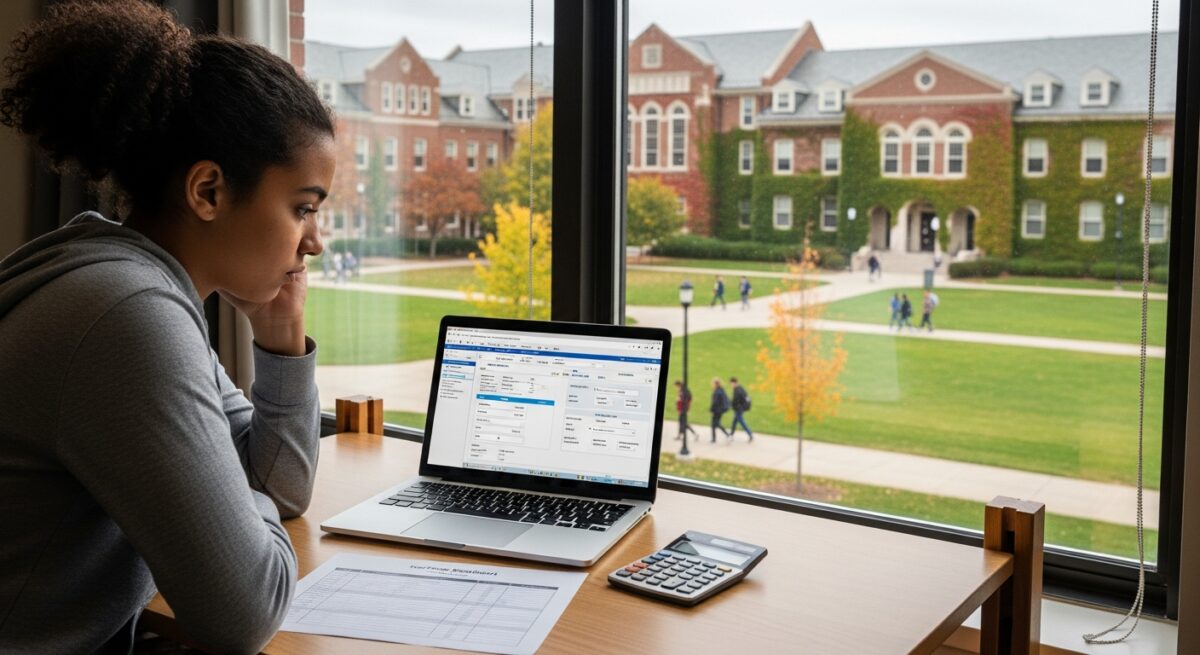
Choosing a business degree is one of the most significant financial and career decisions you will make. The sticker price of a four-year program can range from under $40,000 at a public in-state university to well over $200,000 at a private institution. However, the real question is not just what you pay, but what you get in return. This Undergraduate Business Degree Cost and Value Guide breaks down the true expenses, the factors that drive return on investment, and the strategies you can use to make a smart, affordable choice. We will explore tuition averages, hidden fees, scholarship opportunities, and how to measure the long-term value of an undergraduate degree business program. By the end, you will have a clear framework for comparing schools and financing your education without taking on excessive debt.
Breaking Down the Real Cost of a Business Degree
The total cost of a business degree goes far beyond the tuition listed on a university’s website. To get an accurate picture, you need to consider several categories of expenses that add up over four years. Many students focus only on the base tuition rate, but ancillary costs can increase the total bill by 30 to 50 percent.
Here are the primary components that make up the total cost of attendance:
- Tuition and Fees: This is the core cost. Public universities average $10,000 to $12,000 per year for in-state students, while private universities often exceed $40,000 annually. Out-of-state public tuition is typically between $22,000 and $30,000 per year.
- Room and Board: Housing and meal plans can cost $10,000 to $15,000 per year depending on the location and whether you live on campus or off campus.
- Books and Supplies: Business textbooks, access codes for online platforms, and software licenses (like Excel or statistical packages) can run $1,000 to $1,500 per year.
- Transportation and Personal Expenses: Travel to and from campus, parking permits, and daily living costs (clothing, entertainment, toiletries) add another $2,000 to $4,000 annually.
When you combine these elements, the true cost of a four-year business degree can range from roughly $60,000 at a low-cost public institution to more than $250,000 at a high-end private school. Understanding these numbers is the first step in evaluating whether a specific program fits your budget and your future earning potential. Many students overlook the impact of living expenses, which can be the largest variable in the entire equation.
Value Measurement: What Determines Return on Investment?
Cost is only half of the equation. The value of an undergraduate degree business program depends heavily on the outcomes it delivers. A high-cost degree from a prestigious university may still offer strong value if it leads to a high starting salary and robust career opportunities. Conversely, a low-cost degree that fails to prepare you for the job market is a poor investment at any price.
To assess value, you should examine several key metrics. First, look at the average starting salary for graduates of the business program. Schools publish this data, and it often varies by concentration (finance, marketing, management, accounting). Second, consider the job placement rate within six months of graduation. A program with a 90 percent placement rate is far more valuable than one with 60 percent, regardless of tuition cost. Third, evaluate the strength of the alumni network and career services. These resources directly impact your ability to land internships and full-time roles.
Another important factor is the type of business degree you pursue. For example, an accounting degree typically leads to a stable career path with CPA licensure, while a general management degree may offer more flexibility but less immediate earning power. You should also consider the location of the school. A business program in a major financial hub like New York, Chicago, or San Francisco often provides better access to internships and recruiters compared to a program in a rural area. Ultimately, the best value is a program that maximizes your earnings while minimizing your debt burden.
Strategies to Reduce Business Degree Costs
Reducing the cost of your business degree requires proactive planning and a willingness to explore all available avenues. Many students assume that the listed price is fixed, but there are numerous ways to lower your out-of-pocket expenses. The most effective strategies often involve a combination of financial aid, scholarships, and smart enrollment choices.
Here are several proven methods to reduce your business degree cost:
- Apply for Federal and State Financial Aid: Complete the Free Application for Federal Student Aid (FAFSA) every year. This opens the door to grants, work-study programs, and low-interest federal student loans.
- Pursue Merit-Based and Need-Based Scholarships: Many universities automatically consider applicants for scholarships, but you should also apply to external scholarships through organizations like the Gates Foundation, your local chamber of commerce, and professional business associations.
- Start at a Community College: Complete your general education requirements at a community college, then transfer to a four-year business school. This can cut your total costs by 30 to 50 percent.
- Consider Online or Hybrid Programs: Online business degrees often have lower tuition rates and eliminate room and board costs. Many accredited online programs offer the same curriculum and faculty as their on-campus counterparts.
- Negotiate Your Financial Aid Package: If you receive a better offer from a competing school, you can appeal to your preferred university for additional aid. This is a common practice that many families overlook.
Beyond these tactics, you should also look into tuition reimbursement programs offered by employers. If you are already working, some companies will pay for part or all of your degree in exchange for a commitment to stay with the company after graduation. Additionally, you can accelerate your degree by taking summer courses or testing out of introductory classes through CLEP exams. Every dollar you save now reduces the amount you need to borrow and the interest you will pay later.

Comparing Program Types: Traditional, Online, and Accelerated
The format of your business degree significantly influences both cost and value. Traditional four-year on-campus programs offer a classic college experience with face-to-face networking, but they come with higher living expenses. Online programs, on the other hand, provide flexibility and lower costs, but they require strong self-discipline and may offer fewer networking opportunities. Accelerated programs allow you to earn your degree in three years or less, reducing total tuition but demanding a heavier course load.
When comparing these options, think about your personal learning style and career goals. For example, if you thrive in a structured classroom environment and want access to campus recruiting events, a traditional program may be worth the extra cost. If you are a self-motivated learner who needs to balance work and family, an online program from a reputable university (such as those featured on College & Tuition) can provide excellent value. Many online business degrees now include virtual networking events, mentorship programs, and internship placements to bridge the gap with traditional models.
Accelerated programs are ideal for students who are certain about their career path and want to enter the workforce quickly. By taking heavier course loads each semester and attending summer sessions, you can complete a bachelor’s degree in three years. This approach reduces total tuition and allows you to start earning a salary sooner. However, it leaves less time for internships and extracurricular activities, which are also valuable for career development. Weigh these trade-offs carefully against your personal circumstances.
Frequently Asked Questions
What is the average cost of a business degree in the United States?
The average cost varies widely by institution type. For in-state public universities, the average annual tuition and fees for a business program is approximately $10,000 to $12,000. Out-of-state public universities average $22,000 to $30,000 per year. Private nonprofit universities typically charge $40,000 to $55,000 per year. When you include room, board, and other expenses, the total four-year cost ranges from $60,000 to over $250,000.
How do I calculate the return on investment for a business degree?
Calculate ROI by comparing the total cost of the degree to the expected increase in lifetime earnings. Start with the average starting salary for graduates of the program and multiply by the number of years you expect to work. Subtract the total cost of the degree and compare that net gain to what you would earn without a degree. Also consider factors like job placement rates, alumni network strength, and industry connections.
Can I get a business degree for under $20,000 total?
Yes, it is possible if you use strategic cost-saving measures. Starting at a community college for two years can reduce total costs significantly. Some public universities also offer capped tuition rates for online programs. By combining community college credits, scholarships, and living at home, you can earn an accredited undergraduate degree business credential for under $20,000 total, though this requires careful planning and discipline.
Are online business degrees respected by employers?
Yes, provided the program is accredited by a recognized agency such as the Association to Advance Collegiate Schools of Business (AACSB) or the Accreditation Council for Business Schools and Programs (ACBSP). Employers value the skills and knowledge you gain, not the delivery method. Many top universities now offer online business degrees with the same curriculum and faculty as their on-campus programs. The key is to choose a reputable, accredited institution.
Making Your Final Decision
Investing in a business degree is one of the most impactful financial moves you can make, but it requires careful analysis of both cost and value. By using the framework in this Undergraduate Business Degree Cost and Value Guide, you can compare programs based on total cost of attendance, average graduate outcomes, and your personal career goals. Remember that the cheapest option is not always the best, and the most expensive is not always necessary. Look for the program that offers the strongest combination of affordability, academic quality, and career support.
As you research schools, take advantage of resources like College & Tuition to explore affordable online business degrees and financial aid options. Additionally, for a deeper look at programs that balance cost and quality, read our detailed Affordable Online Business Degrees: Cost and Value Guide. With the right information and a strategic approach, you can earn a valuable business degree without sacrificing your financial future.
About the Author: Sarah Thompson