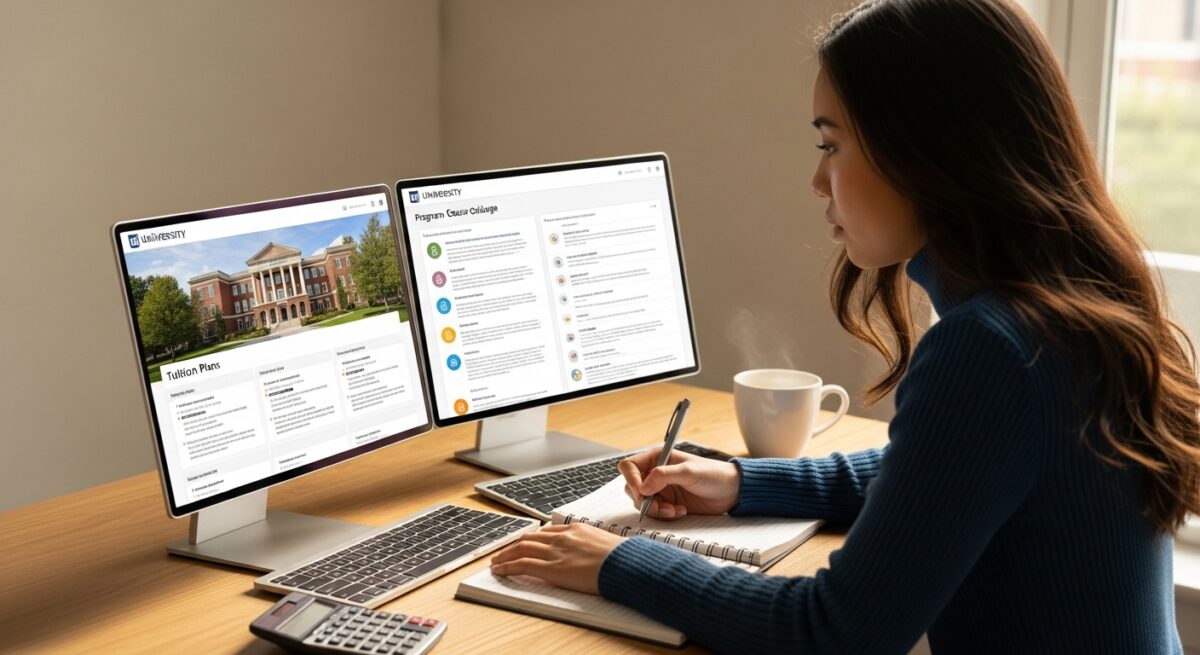
The landscape of higher education is undergoing a profound transformation, and Vermont’s universities are at the forefront of this digital evolution. No longer confined by the Green Mountains, institutions across the state are leveraging technology to deliver rigorous, accredited degree programs to learners everywhere. This strategic shift is not merely a reaction to global trends but a proactive commitment to accessibility, flexibility, and educational innovation. For students balancing careers, family obligations, or geographic constraints, Vermont universities providing virtual higher education represent a vital pathway to academic and professional advancement without the need for relocation. This expansion is reshaping who can access a Vermont-quality education and how they engage with it, creating new opportunities for lifelong learning and career transition.
The Virtual Academic Landscape in Vermont
Vermont’s higher education institutions, both public and private, have developed robust online infrastructures. The University of Vermont (UVM), as the state’s flagship public research university, offers a growing portfolio of online graduate certificates, master’s degrees, and professional development courses. Similarly, the Vermont State Colleges system, which includes institutions like Castleton University and Northern Vermont University (now part of Vermont State University), has long been a pioneer in distance learning, providing fully online associate and bachelor’s degree completion programs. Private institutions such as Champlain College have built national reputations for their online undergraduate and graduate programs, particularly in fields like cybersecurity, business, and healthcare administration.
The pedagogical approach behind these programs is deliberate. Courses are designed specifically for the online environment, moving beyond simple lecture recordings to incorporate interactive discussions, collaborative projects, and asynchronous learning modules that allow students to engage with material on their own schedule. Faculty receive specialized training in online instruction, ensuring that the quality of interaction and mentorship remains high. This careful design is crucial for maintaining the academic rigor associated with Vermont’s institutions, a topic explored in depth in our analysis of private versus public university value propositions. The goal is to replicate the collaborative and engaged learning community Vermont is known for, within a digital space.
Benefits and Opportunities for Online Learners
Choosing a virtual program from a Vermont university unlocks a suite of advantages tailored to the modern student. The most immediate benefit is geographic freedom. A student in Burlington can take classes alongside a peer in Bennington, and both can collaborate with a classmate living across the country or stationed overseas. This diversity enriches classroom discussions with a wide array of perspectives. Flexibility is another cornerstone. Adult learners, who often constitute a significant portion of online student bodies, can balance full-time employment, family responsibilities, and their studies by accessing course materials and completing assignments during evenings or weekends.
Furthermore, virtual education can be a more affordable pathway. While tuition rates for online programs are often comparable to in-state rates for all students, learners save substantially on ancillary costs. There are no commuting expenses, room and board fees, or costs associated with relocating to a college town. This financial accessibility is a critical component of making higher education attainable. Students also gain invaluable digital literacy and self-discipline skills that are highly transferable to today’s remote and hybrid workplaces. The ability to manage time, communicate effectively across digital platforms, and work independently are competencies employers actively seek.
For those navigating this new terrain, understanding the full scope of available degree pathways for students is essential. Vermont’s online offerings span a wide range of disciplines, from business and education to technology and environmental science.
Key Considerations for Prospective Students
While the opportunities are significant, selecting the right online program requires careful research and self-assessment. The first and most critical step is to verify accreditation. Ensure the institution and the specific program hold accreditation from recognized bodies like the New England Commission of Higher Education (NECHE). Accreditation guarantees that the degree will be respected by employers and other academic institutions, and it is a prerequisite for federal financial aid.
Prospective students must also evaluate their own learning style and technology setup. Successful online learning demands a high degree of self-motivation, organization, and comfort with technology. You will need reliable high-speed internet, a functional computer, and basic software competency. It is equally important to investigate the support services available. A quality virtual program should offer robust online resources, including:
- Dedicated technical support for the learning management system (e.g., Canvas, Blackboard).
- Virtual access to academic advisors, career counselors, and tutoring centers.
- An online library with databases, e-books, and research assistance.
- Digital student communities and organizations for networking and social connection.
Finally, examine the program’s structure. Some are entirely asynchronous (no set meeting times), while others may have synchronous components (live virtual classes). Understand the time commitment per course, the format of assessments, and the opportunities for interaction with faculty and peers. Reaching out to an admissions counselor for the program can provide clarity on these logistical details and help you determine if the fit is right.
Financial Planning for Online Degrees
Investing in an online degree is a significant financial decision, and savvy planning is essential. Tuition for online programs at Vermont universities varies. Public institutions often charge a unified “e-tuition” rate that is the same for all students, regardless of residency, which can be a major advantage for out-of-state learners. Private colleges set their own rates. The first action for any prospective student is to complete the Free Application for Federal Student Aid (FAFSA). This form unlocks eligibility for federal loans, grants, and work-study funds, which typically apply to accredited online programs enrolled at least half-time.
Beyond federal aid, students should aggressively pursue scholarships. Many Vermont-based organizations, community foundations, and the universities themselves offer scholarships that can be applied to online study. Employers are also an increasingly common source of funding; many companies offer tuition reimbursement or assistance programs as a employee benefit. It is crucial to factor in all costs, including technology fees, online book purchases, and any potential required on-campus residencies (though rare). A comprehensive resource for navigating these financial complexities is our guide on how virtual degrees reshape cost structures. Creating a detailed budget that accounts for tuition, fees, and potential lost income during study periods is a responsible step toward a sound investment in your future.
Career Outcomes and Professional Networks
A primary motivation for pursuing higher education is career advancement, and Vermont’s online programs are designed with this goal in mind. Curriculum is frequently developed in consultation with industry leaders to ensure relevance. Many programs incorporate practical, project-based learning that allows students to apply concepts directly to their current workplace or build a portfolio of work. Furthermore, the student body itself becomes a powerful network. Connecting with professionals from across the country in your field can open doors to new job opportunities, collaborations, and insights into different regional markets.
Career services for online students have evolved dramatically. Virtual offerings now include resume reviews via video chat, online job fairs, digital interview practice platforms, and webinars on topics like personal branding and remote work success. Alumni networks for online graduates are also growing, providing a lifelong resource for professional connection. The credential earned, whether a bachelor’s completion degree, a master’s, or a certificate, carries the weight and reputation of the Vermont institution, signaling to employers a commitment to quality and the acquisition of in-demand skills.
Frequently Asked Questions
Is an online degree from a Vermont university viewed as equal to an on-campus degree?
Yes. The diploma or transcript from an accredited online program does not typically specify “online.” It is the same credential awarded to on-campus graduates, signifying the same academic standards and institutional approval.
Can I get financial aid for an online degree program?
Absolutely. Students enrolled in accredited online programs that are eligible for federal Title IV funding can apply for federal grants, loans, and work-study by submitting the FAFSA. State aid and institutional scholarships may also be available.
How do online classes handle labs or hands-on learning?
Programs in science, healthcare, or technical fields use innovative solutions. These may include virtual simulation software, at-home lab kits with detailed instructions, or short-term intensive residencies on campus or at regional sites to complete practical components.
What kind of time commitment should I expect per online course?
A standard rule is 8-10 hours per week per three-credit course. This includes time for reading, watching lectures, participating in discussions, completing assignments, and studying. Time management is crucial.
Are there opportunities to connect with professors and classmates?
Yes. Quality programs foster interaction through discussion boards, group projects, live video office hours, and sometimes synchronous class sessions. Many students report forming strong professional relationships with peers and faculty online.
The move by Vermont universities providing virtual higher education is a testament to the state’s enduring commitment to learning and innovation. By embracing digital delivery, these institutions are preserving their core mission of educating citizens while dramatically expanding their reach and impact. For the student, this means the distinctive qualities of a Vermont education, characterized by close community, practical focus, and academic integrity, are now accessible from anywhere. This model represents a powerful convergence of tradition and technology, offering a flexible, respected, and career-relevant path to achieving personal and professional goals in an increasingly connected world.
About the Author: Sophia Clark