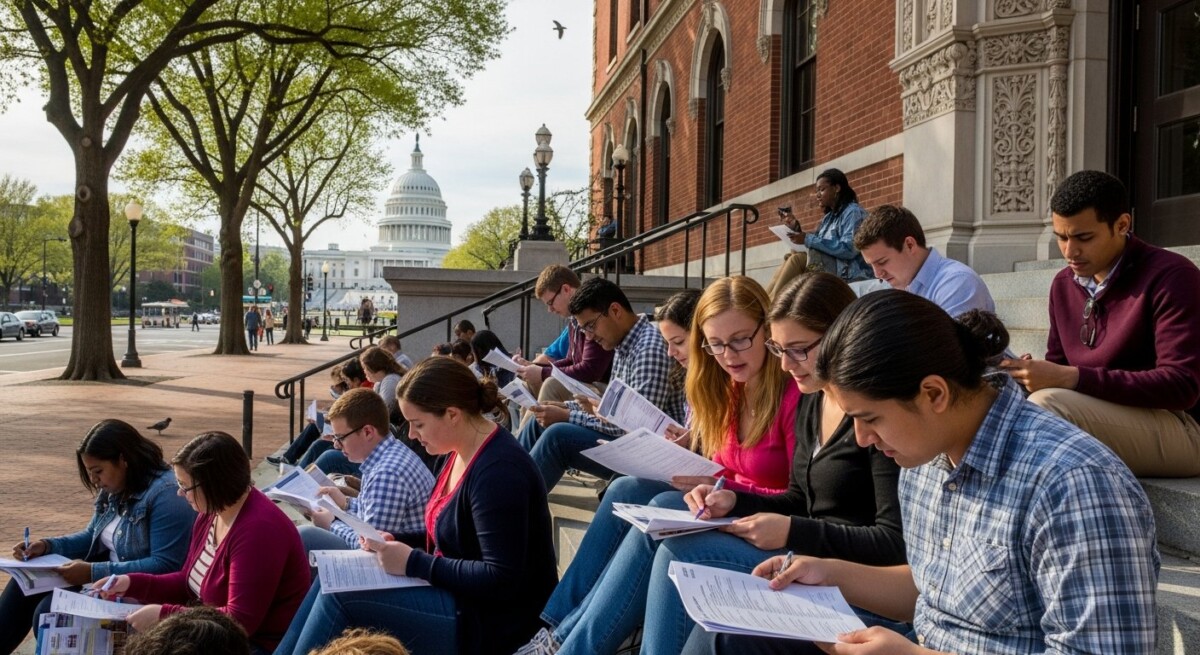
When students and families begin exploring higher education in the nation’s capital, the price tag attached to private universities often comes as a surprise. Washington, District of Columbia is home to some of the most prestigious private institutions in the country, including Georgetown University, George Washington University, American University, and Howard University. Each of these schools commands a significant tuition and fee structure that can feel overwhelming at first glance. However, understanding the full picture of private university expenses in Washington, District of Columbia goes far beyond the sticker price. Financial aid, scholarships, living costs, and strategic planning all play a decisive role in determining what families actually pay. This guide breaks down the real cost of attendance, the factors that influence your net price, and actionable strategies to make a private DC education more affordable.
Understanding the Full Cost of Attendance at DC Private Universities
Private university expenses in Washington, District of Columbia include far more than just tuition. The official cost of attendance (COA) published by each school combines tuition and fees, room and board, books and supplies, transportation, and personal expenses. For the 2025-2026 academic year, the total COA at major DC private universities typically ranges from $75,000 to $85,000 per year. Tuition alone accounts for roughly $55,000 to $65,000 of that figure. While these numbers can cause sticker shock, it is critical to remember that few students pay the full published price.
Living expenses in DC are among the highest in the nation. On-campus housing and meal plans at private universities often cost between $15,000 and $20,000 annually. Off-campus living can be slightly less expensive if you share an apartment, but rents in neighborhoods near universities like Georgetown or Foggy Bottom remain steep. Transportation costs vary depending on whether you bring a car (parking is scarce and expensive) or rely on the Metro system. Students should budget at least $1,500 to $2,500 per year for books, supplies, and personal items. A realistic annual budget for a student attending a private university in DC without financial aid would land between $78,000 and $88,000.
Why the Sticker Price Rarely Matches What You Pay
The concept of the net price is essential when evaluating private university expenses in Washington, District of Columbia. The net price is what you actually pay after subtracting grants, scholarships, and tuition discounts from the sticker price. Most private universities use a practice called tuition discounting. They set a high published tuition but then offer significant institutional aid to attract academically strong or diverse students. In fact, the average net price at many DC private universities is 40% to 55% lower than the published COA.
For example, a student from a family earning $75,000 per year might receive a financial aid package that brings the net price down to $25,000 or $30,000 at schools like George Washington University or American University. Howard University, as a historically Black university with a strong endowment for scholarships, often provides generous aid packages that make attendance feasible for a wide range of income levels. The key takeaway is that families should never dismiss a private university based solely on the sticker price. Instead, use each school’s net price calculator to get a personalized estimate before making any decisions.
Financial Aid and Scholarship Opportunities
Navigating financial aid is the single most important step in managing private university expenses in Washington, District of Columbia. Every private university requires students to submit the Free Application for Federal Student Aid (FAFSA) to determine eligibility for federal grants, work-study programs, and federal student loans. Many DC private schools also require the CSS Profile, a more detailed financial aid application used by over 400 colleges to award their own institutional aid. Submitting both forms on time is crucial because aid is often distributed on a first-come, first-served basis.
Scholarships can dramatically lower the cost. DC private universities offer merit-based scholarships that do not require financial need. These awards are typically based on high school GPA, standardized test scores, leadership, and extracurricular achievements. For instance, Georgetown University’s merit scholarships range from partial tuition to full-ride awards. George Washington University offers the Presidential Academic Scholarship, which covers full tuition for select students. Additionally, external scholarships from community organizations, employers, and national programs can supplement institutional aid. Families should also explore tuition payment plans that allow spreading costs over monthly installments without interest.
Here are the primary types of financial aid available to students at DC private universities:
- Need-based grants: Awarded based on your family’s financial situation as determined by the FAFSA and CSS Profile. These do not need to be repaid.
- Merit scholarships: Based on academic achievement, talents, or leadership. No financial need required.
- Federal work-study: A program that provides part-time jobs on or near campus to help cover educational expenses.
- Federal student loans: Subsidized and unsubsidized loans with fixed interest rates. Borrow only what you need.
- Tuition payment plans: Interest-free installment plans offered by the university to spread payments over the semester.
Combining multiple types of aid can reduce the out-of-pocket cost significantly. Many families successfully cover 60% to 80% of total expenses through a mix of grants, scholarships, and work-study. The remaining balance can often be managed through a manageable loan amount or a payment plan.
Comparing Costs Across Major DC Private Universities
To make an informed decision, it helps to compare the specific private university expenses in Washington, District of Columbia across the major institutions. Below is a general snapshot of current cost ranges for the 2025-2026 academic year. Keep in mind that these figures are approximate and change annually.
Georgetown University, one of the most selective schools in the country, has a total cost of attendance near $84,000 per year. However, the average need-based grant award for undergraduates is over $48,000, bringing the net price for many families below $40,000. George Washington University lists a similar sticker price of around $82,000, but the average merit scholarship award is $25,000, and need-based aid can push the net price even lower. American University’s total COA is approximately $78,000, and the school is known for offering substantial merit aid to students with strong academic profiles. Howard University, a top-tier HBCU, has a lower tuition structure at about $55,000 for tuition and fees, with a total COA near $70,000. Howard’s endowment and federal funding allow it to provide generous need-based aid.
When evaluating these numbers, always look at the net price after aid rather than the sticker price. Use each university’s net price calculator for a personalized estimate. Also consider that tuition typically increases by 3% to 5% each year, so plan for incremental growth over four years. For a deeper look at managing annual living costs while attending college, read our guide on how to budget annual living expenses for college students.
Strategies to Reduce Your Out-of-Pocket Costs
Families who take a proactive approach can significantly lower their private university expenses in Washington, District of Columbia. One of the most effective strategies is to apply for admission under an Early Decision or Early Action plan. Many private universities reserve a larger share of their scholarship budget for early applicants. Additionally, applying to multiple schools gives you leverage to negotiate financial aid offers. If one university offers a more generous package, you can appeal to your preferred school with a polite request for a matching award. This is a common and accepted practice in private higher education.
Another powerful tool is to maximize your eligibility for need-based aid by understanding how assets and income are assessed. For example, money held in a parent’s retirement account is not counted as an asset on the FAFSA. Similarly, home equity in a primary residence is excluded from the FAFSA calculation. Reducing your taxable income in the year before applying can also improve your aid eligibility. Families should also consider the option of a 529 college savings plan. While 529 assets are counted as parental assets (which have a lower impact on aid than student assets), they still provide a tax-advantaged way to save for college. For more information on affordable options, explore affordable higher education options in Washington state for comparison, though note that DC and Washington state are different jurisdictions.
Students can also reduce costs by living off-campus with roommates, choosing a less expensive meal plan, and working part-time during the school year. Federal work-study jobs are convenient because they are located on campus and often flexible with class schedules. Some students also take summer courses at a community college to transfer credits, reducing the total number of credits needed at the expensive private university. Every dollar saved through these strategies reduces the amount you need to borrow.
The Role of Student Loans and Responsible Borrowing
Despite generous aid packages, many families still need to borrow to cover private university expenses in Washington, District of Columbia. Federal student loans should always be your first choice because they offer fixed interest rates, income-driven repayment plans, and loan forgiveness options. Direct Subsidized Loans are available to students with financial need and do not accrue interest while you are enrolled at least half-time. Direct Unsubsidized Loans are available to all students regardless of need, but interest accrues from the day the loan is disbursed. For the 2025-2026 academic year, interest rates for federal undergraduate loans are around 5.50%.
Be cautious with private student loans from banks or other lenders. These loans often have variable interest rates and fewer borrower protections. Only consider private loans after you have exhausted all federal loan options, grants, and scholarships. A good rule of thumb is to borrow no more than your expected starting salary for the first year after graduation. For example, if you plan to work in a field with a median starting salary of $55,000, try to keep total student loan debt under that amount. Responsible borrowing today protects your financial future after graduation.
For families seeking additional resources to navigate tuition planning and compare scholarship opportunities, you can visit college tuition information for helpful tools and guidance.
Frequently Asked Questions
Are private universities in Washington DC more expensive than public universities?
Yes, private universities in DC generally have higher sticker prices than public universities such as the University of the District of Columbia (UDC). However, private universities also offer larger institutional grants and scholarships. For many students, the net price after aid at a private university can be competitive with or even lower than the cost of a public university.
Can I negotiate my financial aid package with a DC private university?
Yes, it is possible to appeal your financial aid award. If you receive a better offer from another school, you can submit a formal appeal letter to your preferred university’s financial aid office. Include the competing offer and explain any special circumstances. Many schools will adjust their package to retain you.
What is the average debt for graduates of DC private universities?
Average student debt varies by institution. At Georgetown University, the average debt at graduation is around $21,000 for federal loans. At George Washington University, it is approximately $32,000. Howard University graduates carry an average of $27,000 in federal loans. These figures exclude private loans.
Do DC private universities offer merit scholarships for international students?
Some do, but awards are limited. Georgetown and George Washington University offer a small number of merit scholarships to international students. American University also provides some merit-based aid for non-citizens. International students should check each school’s policy and apply early.
How can I estimate my net price before applying?
Every private university in DC has a net price calculator on its website. Enter your family’s financial information to receive an estimate of your expected cost after grants and scholarships. This tool is free and confidential.
Making sense of private university expenses in Washington, District of Columbia requires looking beyond the initial numbers and understanding how financial aid, scholarships, and smart planning can reshape the picture. The total cost of attendance at prestigious DC institutions is undeniably high, but the net price paid by most families is far more manageable. By submitting your FAFSA and CSS Profile early, applying for scholarships, leveraging net price calculators, and borrowing responsibly, you can turn a seemingly expensive education into a realistic investment. Each family’s situation is unique, so take the time to research individual schools and create a personalized financial plan. With the right approach, a private university education in the nation’s capital is not only possible but can also be a transformative step toward your future career.
About the Author: Michael Anderson