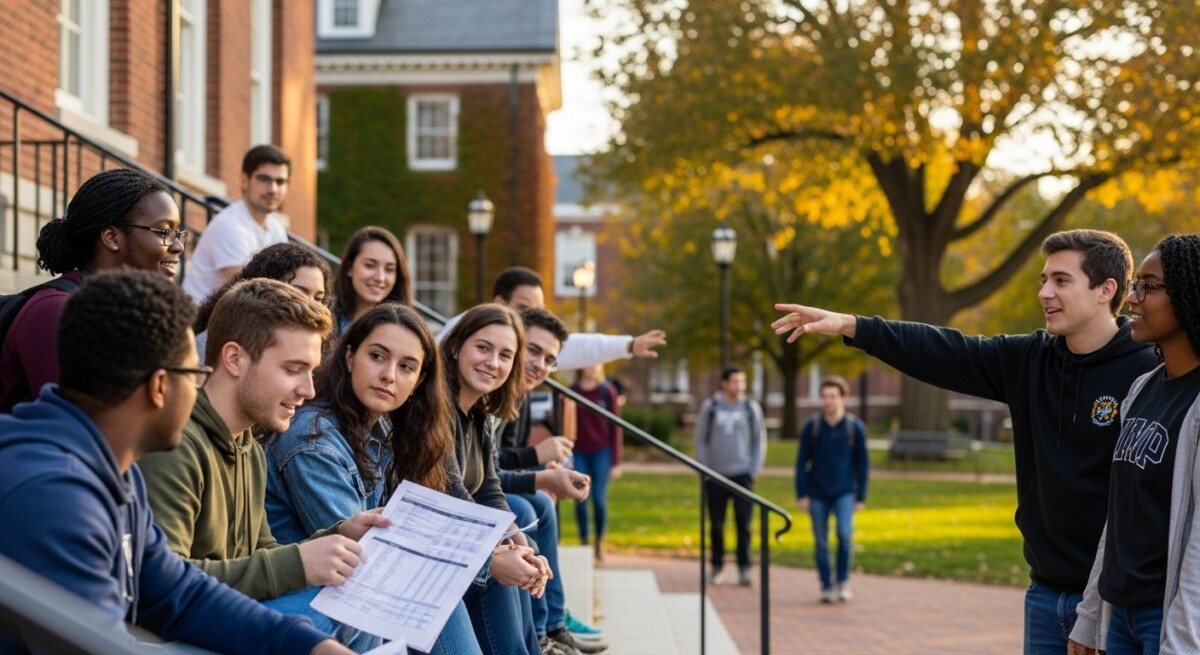
Baltimore, Maryland, is home to several prestigious private universities that attract students from across the country and around the world. Institutions like Johns Hopkins University, Loyola University Maryland, and the Maryland Institute College of Art offer rigorous academics and strong career networks. However, the sticker price of a private education in Baltimore can be daunting. Understanding the full breakdown of private university fees in Baltimore, Maryland, is the first step toward making an informed financial decision. This guide will walk you through tuition, mandatory fees, room and board, and the strategies you can use to reduce your out-of-pocket costs.
Many families focus solely on the published tuition number, but the true cost of attendance includes many additional charges. These include technology fees, health services fees, activity fees, and lab fees for science courses. Housing and meal plans also vary significantly depending on whether you live on campus or off campus. By understanding each component, you can create a realistic budget and avoid surprise bills later in the semester.
For a broader perspective on how Baltimore compares to other cities, you might also review our guide to private university fees in Stockton California, which highlights similar cost structures in a different regional context.
Tuition and Mandatory Fees at Baltimore Private Universities
The largest component of any college bill is tuition. Private universities in Baltimore charge a flat annual tuition rate that covers instruction, access to libraries, and academic advising. For the 2025-2026 academic year, tuition at Johns Hopkins University is approximately $63,000 per year. Loyola University Maryland charges around $55,000, and the Maryland Institute College of Art (MICA) is roughly $54,000. These figures do not include room, board, or other mandatory fees.
Mandatory fees are charges that all students must pay regardless of their course load or housing choice. At Johns Hopkins, the student activity fee and health services fee total about $1,200 per year. Loyola charges a comprehensive fee of approximately $1,800 that covers technology, recreation, and student activities. MICA has a similar fee structure, with mandatory fees around $1,500. These fees fund campus services like the health center, career counseling, and student organizations.
It is important to note that tuition and fees typically increase by 3 to 5 percent each year. When planning for a four-year degree, you should factor in these annual increases. Many universities offer a tuition guarantee or fixed tuition plan, which locks in your rate for four years. Check with each school’s financial aid office to see if such a plan is available.
Room, Board, and Living Expenses
Housing and meal plans represent the second-largest expense after tuition. On-campus housing at Johns Hopkins ranges from $9,000 to $12,000 per year depending on the dormitory type and meal plan selected. Loyola University Maryland offers similar pricing, with standard double rooms and a full meal plan costing around $14,500 annually. MICA’s housing costs are slightly higher, averaging $12,000 for a shared room plus a meal plan.
Living off campus can sometimes reduce costs, but it requires careful budgeting. Rent for a one-bedroom apartment near Johns Hopkins’ Homewood campus averages $1,500 per month. Utilities, internet, and renter’s insurance add another $200 to $300 monthly. Groceries and transportation must also be factored in. Off-campus living may be cheaper than on-campus housing, but you lose the convenience of a meal plan and proximity to classes.
Below is a summary of estimated annual living costs for students at Baltimore private universities. These figures are based on 2025-2026 data and should be verified with each institution.
- On-campus housing: $9,000 to $14,500 per year depending on room type and meal plan
- Off-campus rent: $1,200 to $1,800 per month for a studio or one-bedroom apartment
- Meal plan (on campus): $5,000 to $7,000 per year for a full plan
- Groceries (off campus): $300 to $500 per month
- Transportation: $50 to $150 per month for bus passes, parking, or rideshare
Many students choose to live on campus for the first year or two to build community and simplify logistics. After that, moving off campus with roommates can significantly lower costs. Compare your options carefully, and remember that the total cost of attendance published by each school includes an estimate for living expenses.
Financial Aid and Merit Scholarships
The published sticker price is rarely what most families actually pay. Private universities in Baltimore have substantial endowments and offer generous financial aid packages. Johns Hopkins meets 100 percent of demonstrated financial need for all admitted students. Loyola University Maryland awards merit-based scholarships ranging from $15,000 to full tuition. MICA offers talent-based scholarships for art and design portfolios.
To apply for financial aid, you must complete the Free Application for Federal Student Aid (FAFSA) and, for some schools, the CSS Profile. The FAFSA determines your eligibility for federal grants, work-study, and loans. The CSS Profile is used by private colleges to award their own institutional aid. Submit these forms as early as possible, because some aid is distributed on a first-come, first-served basis.
Merit scholarships do not require demonstrated financial need. They are awarded based on academic achievement, test scores, leadership, or artistic talent. For example, Loyola’s Loyola Scholarship is awarded to students with strong GPAs and SAT/ACT scores. MICA’s Presidential Scholarship is based on portfolio review and academic record. Research each school’s scholarship criteria and application deadlines to maximize your chances.
For a detailed comparison of how financial aid packages work in another city, you can read our analysis of private university fees in Roseville California, which outlines similar scholarship structures.
Strategies to Reduce Out-of-Pocket Costs
Beyond financial aid and scholarships, there are several practical strategies to lower your net cost. One approach is to attend a community college for the first two years and then transfer to a private university. Many Baltimore-area private schools have transfer agreements with community colleges like Baltimore City Community College. This can cut your total tuition bill by half or more.
Another strategy is to apply for outside scholarships from local organizations, employers, and national foundations. Websites like Fastweb and the College Board Scholarship Search list thousands of opportunities. Even small scholarships of $500 to $2,000 can add up and reduce your loan burden. Treat scholarship applications like a part-time job during your senior year of high school.
You can also consider working part-time during the school year. Federal work-study programs provide on-campus jobs that fit around your class schedule. Off-campus jobs in retail, food service, or tutoring can also help cover living expenses. Aim to work no more than 15 to 20 hours per week to avoid impacting your academic performance.
Finally, negotiate your financial aid package. If you receive a better offer from a comparable university, you can appeal to your preferred school for more aid. Write a polite letter explaining your circumstances and attach the competing offer. Admissions offices sometimes have limited funds to adjust packages for strong applicants. It never hurts to ask.
Frequently Asked Questions
What is the average private university fee in Baltimore, Maryland?
The average total cost of attendance, including tuition, fees, room, and board, at a private university in Baltimore ranges from $65,000 to $85,000 per year. This varies by institution and housing choices.
Do private universities in Baltimore offer need-based financial aid?
Yes, most private universities in Baltimore offer need-based financial aid. Johns Hopkins University meets 100 percent of demonstrated need. Loyola University Maryland and MICA also provide substantial need-based grants.
Are there merit scholarships for out-of-state students?
Yes. Merit scholarships at Baltimore private universities are available to all students regardless of state residency. Awards are based on academic performance, test scores, and special talents.
Can I live off campus to save money?
Living off campus can be cheaper, especially if you share an apartment with roommates. However, you must budget for rent, utilities, groceries, and transportation. On-campus housing simplifies logistics and may be required for first-year students.
How do I apply for financial aid at Baltimore private universities?
Complete the FAFSA and, if required, the CSS Profile. Check each school’s financial aid website for specific deadlines and additional forms. Submit your applications early for the best chance at receiving aid.
For more detailed information and personalized tools to compare costs and scholarships, visit College & Tuition, a resource dedicated to helping families navigate college financing.
Understanding private university fees in Baltimore, Maryland, empowers you to make a smart financial choice. By combining scholarships, grants, work-study, and careful budgeting, you can afford a high-quality private education without overwhelming debt. Start your research early, ask questions, and use every resource available to you.
About the Author: Sarah Thompson