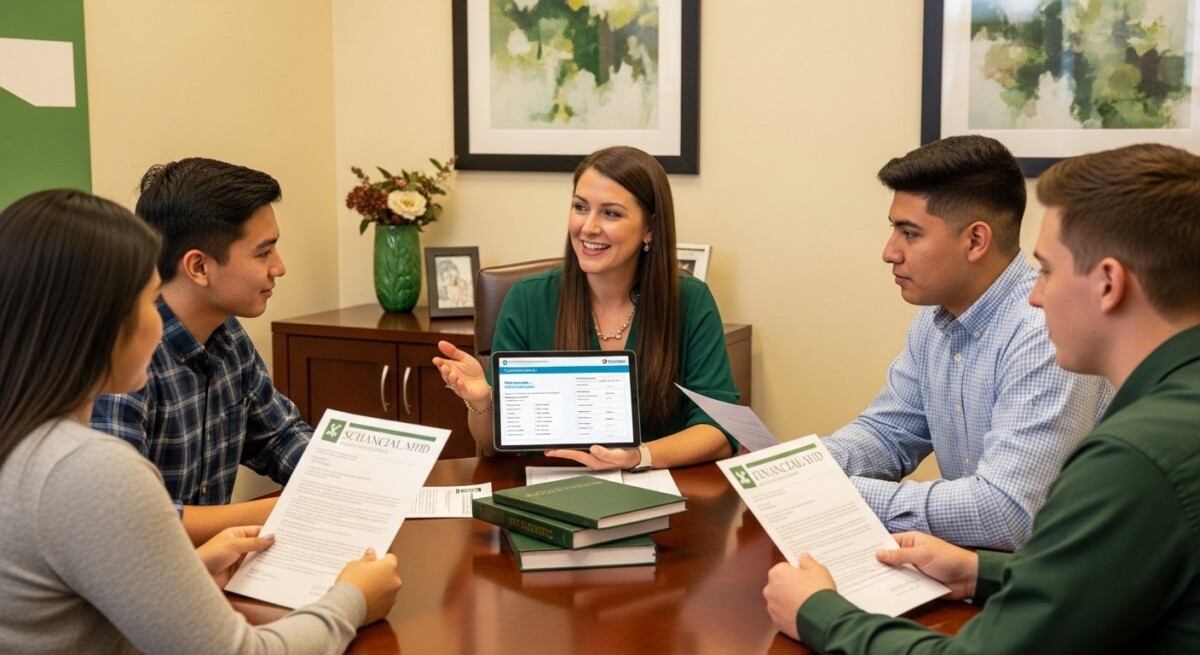
Seattle families considering private higher education often face a confusing landscape of sticker prices, net costs, and financial aid formulas. The advertised tuition at Seattle University, Seattle Pacific University, or Cornish College of the Arts can exceed $50,000 per year before room and board. Yet many students pay far less after grants and scholarships. Understanding private college pricing in Seattle, Washington requires looking beyond the headline number and examining how institutions calculate your actual cost of attendance.
Families frequently assume that private colleges are out of reach. The reality is more nuanced. Private institutions in Seattle use a practice called tuition discounting, where they offer institutional aid to attract a diverse student body. This means the published price is rarely what most families pay. To navigate this system effectively, you need to understand the components of pricing, the role of financial aid, and the strategies that can reduce your out-of-pocket expenses.
The Components of Private College Pricing in Seattle, Washington
Private colleges in Seattle structure their pricing around a comprehensive cost of attendance (COA). This figure includes more than just tuition. It also encompasses fees, housing, meals, books, transportation, and personal expenses. For example, Seattle University lists a total cost of attendance near $70,000 for the 2025-2026 academic year when all factors are combined. Seattle Pacific University and Cornish College of the Arts report similar figures.
However, the COA is not the final bill. It serves as the maximum amount that financial aid packages can cover. The key metric for families is the net price, which is the COA minus all grants and scholarships. Net price is what you actually pay or finance through loans and work-study. For many Seattle families, the net price at a private college can be comparable to or even lower than the cost of attending a public university like the University of Washington.
In our guide on Private College Pricing in Clarksville Tennessee: 2026 Guide, we explain how geographic market factors influence tuition discounting. Seattle’s private colleges operate in a competitive environment where they must balance high operational costs against the need to enroll students from diverse economic backgrounds.
How Tuition Discounting Affects Your Actual Cost
Tuition discounting is the practice of offering institutional grants that reduce the sticker price. In Seattle, private colleges discount tuition at rates ranging from 30% to 60% for first-year students. The discount rate depends on the institution’s endowment size, enrollment goals, and the academic profile of the applicant. Schools with larger endowments, like Seattle University, can offer more generous discounts to attract high-achieving students.
The discounting process creates a sliding scale where students with stronger grades and test scores often receive larger merit scholarships. Need-based aid further reduces costs for families with lower incomes. The result is that two students attending the same Seattle private college may pay vastly different amounts. Understanding where you fall on this spectrum requires submitting the FAFSA and any institutional aid applications early.
Families should also consider that tuition discounting is not static. Colleges adjust their discount rates annually based on enrollment targets. A school that needs more students in a given year may offer steeper discounts. This variability makes it essential to compare financial aid offers carefully and to negotiate if you receive a better offer from a competing institution.
Comparing Seattle’s Private Colleges by Price and Value
When evaluating private college pricing in Seattle, Washington, you must weigh cost against outcomes. Below are key factors to consider when comparing institutions:
- Graduation rate: Higher graduation rates indicate better student support and lower overall cost per degree.
- Average net price: The amount most students actually pay after grants, not the sticker price.
- Debt at graduation: Lower average debt suggests the school’s aid packages are effective.
- Post-graduation earnings: Higher earnings improve your return on investment.
- Program-specific costs: Some majors require additional fees for labs, equipment, or studio access.
Seattle University, for instance, reports a six-year graduation rate above 75% and an average net price around $35,000 for students receiving aid. Seattle Pacific University has a slightly lower net price but also a lower graduation rate. Cornish College of the Arts, focused on creative disciplines, may have higher net prices for specialized equipment and studio time. Each institution offers a different value proposition depending on your academic goals and financial situation.
For a broader perspective on how regional pricing compares, our article on Private College Pricing in Gresham Oregon: What It Costs examines similar dynamics in a neighboring market. The principles of tuition discounting and net price calculation apply across the Pacific Northwest.
Financial Aid Strategies for Seattle Private Colleges
Maximizing financial aid requires a proactive approach. Start by submitting the FAFSA as soon as it opens on October 1. Many Seattle private colleges also require the CSS Profile, which captures a more detailed picture of your family’s finances. Missing these deadlines can reduce your eligibility for institutional aid.
After receiving your financial aid offers, compare the net prices rather than the total COA. Look for differences in grant amounts, work-study opportunities, and loan terms. If one school offers a significantly better package, you can appeal to another school’s financial aid office. Write a polite letter explaining your circumstances and attach the competing offer. Colleges often match or increase aid to retain desirable students.
Another strategy is to apply for outside scholarships through organizations like the Washington State Opportunity Scholarship or local community foundations. Even small scholarships reduce your net price and can be combined with institutional aid. Be aware that some colleges practice scholarship displacement, where outside awards reduce institutional grants. Check each school’s policy before accepting external funding.
For families seeking comprehensive tools to evaluate costs, college tuition information resources can help you compare net prices across multiple institutions and estimate your potential aid before applying.
The Role of Location in Pricing
Seattle’s high cost of living directly impacts private college pricing. Housing and food costs in the city are among the highest in the nation, driving up the room and board component of the COA. Private colleges in Seattle must pay competitive wages to staff and faculty, which also contributes to higher tuition. However, the city’s strong economy and job market offer advantages for students seeking internships and part-time work.
Living off-campus can sometimes reduce costs, but Seattle’s rental market is expensive. Many students find that living in dormitories with meal plans is comparable to renting an apartment and buying groceries. When calculating your budget, include transportation costs, as Seattle’s public transit system is robust but not free. Some colleges offer subsidized transit passes as part of student fees.
The location also affects scholarship opportunities. Local businesses and nonprofits in Seattle often sponsor scholarships for students attending area colleges. Industries like technology, healthcare, and the arts have specific scholarship programs tied to Seattle institutions. Researching these opportunities can yield additional funding that reduces your net price.
Long-Term Affordability and Student Debt
Private college pricing in Seattle, Washington has direct implications for student debt levels. Graduates of Seattle private colleges carry average debt amounts between $25,000 and $35,000. This is manageable for many careers but can be burdensome for those entering lower-paying fields like education or social work. Before enrolling, calculate your expected monthly loan payments and compare them to your projected starting salary.
Income-driven repayment plans and public service loan forgiveness programs can help manage debt for graduates who work in qualifying fields. However, relying on these programs is risky if your financial situation changes. The safest approach is to minimize borrowing by maximizing grants, scholarships, and work-study earnings. Avoid private student loans whenever possible, as they lack the flexible repayment options of federal loans.
Families should also consider the total cost over four years. A school with a higher net price but a higher graduation rate may be cheaper overall than a lower-priced school where students take five or six years to graduate. Time is money in college financing. Every extra semester adds tuition, fees, and lost income from delayed entry into the workforce.
Frequently Asked Questions
What is the average net price at Seattle private colleges?
The average net price varies by institution and family income. For students receiving aid, Seattle University’s average net price is approximately $35,000. Seattle Pacific University averages around $30,000. Cornish College of the Arts averages near $40,000. These figures can change annually based on aid policies and enrollment.
Can I negotiate financial aid offers from Seattle private colleges?
Yes. Many families successfully appeal financial aid offers by providing a competing offer from another institution or documenting a change in financial circumstances. Write a professional letter to the financial aid office and include supporting documentation. Schools in Seattle are often willing to adjust packages to retain students they value.
Do Seattle private colleges offer merit scholarships?
All major Seattle private colleges offer merit-based scholarships. These are typically awarded based on GPA, test scores, and extracurricular achievements. Some scholarships require a separate application or essay. Check each college’s website for specific deadlines and criteria.
How does the cost of private colleges in Seattle compare to public universities?
The sticker price at private colleges is higher than the University of Washington’s in-state tuition. However, after financial aid, the net price at private colleges can be comparable. Many families find that private colleges offer more generous aid packages, making them equally affordable or even cheaper than public options.
What is the total cost of attendance at Seattle University?
For the 2025-2026 academic year, Seattle University’s total cost of attendance is approximately $70,000, including tuition, fees, housing, meals, books, and personal expenses. The actual amount paid varies based on financial aid and scholarships.
Navigating private college pricing in Seattle, Washington demands careful research and a willingness to engage with financial aid offices. The sticker prices can seem intimidating, but the net price you actually pay depends on your family’s financial profile, academic achievements, and the strategies you use to maximize aid. Start early, compare offers, and never assume a private college is unaffordable until you have seen your complete financial aid package. With the right approach, a Seattle private education can be a realistic and valuable investment in your future.
About the Author: Ethan Brooks